
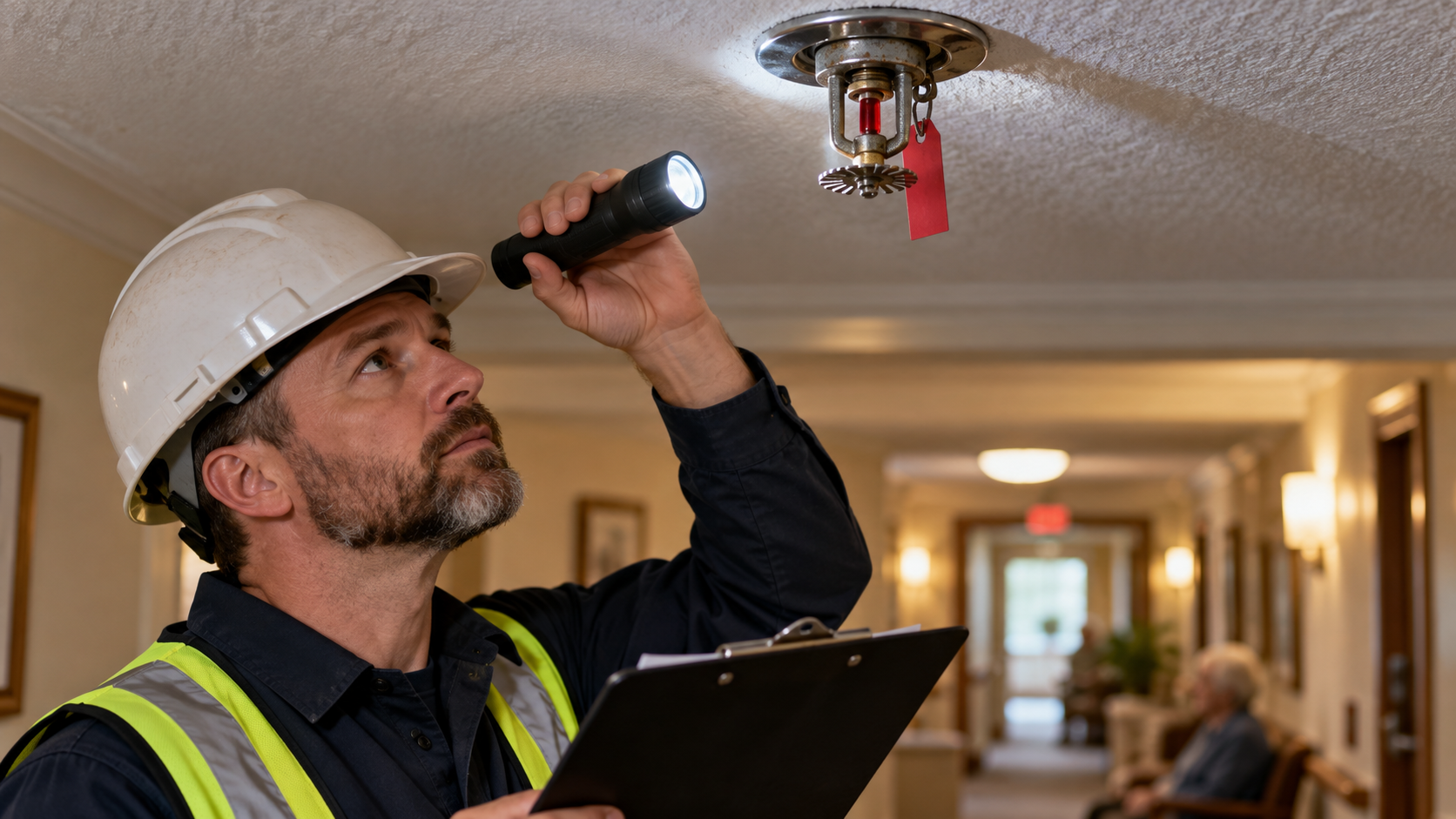
A fire sprinkler recall first announced more than two decades ago is back in the spotlight. On September 24, 2026, the U.S. Consumer Product Safety Commission and Tyco Fire Products urged immediate inspections because some recalled Central, Gem and Star sprinkler heads may still be installed in homes, apartments, assisted-living facilities and other buildings.
The affected sprinklers use rubber O-ring seals that can degrade, corrode or become affected by minerals and other contaminants in water. That can prevent a sprinkler from activating when a fire occurs. The warning is especially important for buildings with systems installed from the mid-1970s through June 2001.
Why the CPSC renewed this warning
The original July 2001 recall covered 35 million Central wet and dry sprinklers with O-ring seals, plus about 167,000 sprinklers sold under the Gem and Star names. Millions were replaced before the replacement program closed on August 31, 2007, but the CPSC now says a significant number of unremediated heads may remain in service.
The renewed alert follows a July 13, 2025 fire at an assisted-living facility in Fall River, Massachusetts. Ten residents died and dozens more were injured. According to the CPSC, dozens of recalled sprinkler heads at the facility had not been replaced even though they had been identified during a previous fire-safety inspection. The agency cited the tragedy as an urgent reminder to locate and remove any recalled units still in service.
Buildings that may still have affected sprinklers
The recalled heads were installed nationwide in many types of buildings, not only large commercial properties. The original notice listed houses, apartments, hospitals, day-care facilities, schools, dormitories, nursing homes, supermarkets, parking garages, warehouses and offices.
Owners and managers should pay particular attention to older structures, buildings renovated before 2001 and properties whose fire-suppression records are incomplete. A newer-looking ceiling or remodeled room does not prove that every sprinkler head was replaced.
How to recognize a recalled wet sprinkler
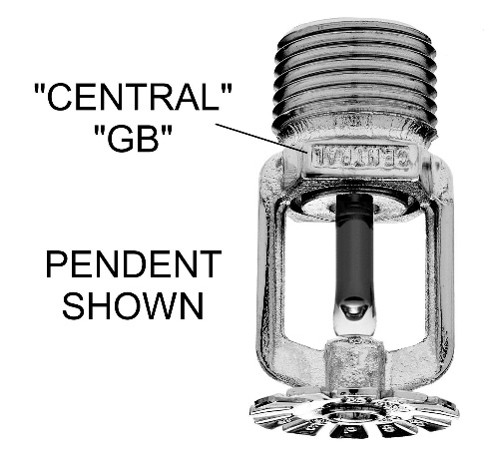
A wet sprinkler is connected to piping that normally contains water. The original recall covered Central wet models made from 1989 through 2000. Markings can include CENTRAL, CSC or model codes stamped on the metal frame or the flower- or gear-shaped deflector.
Affected Central wet model families include GB, GB4, GB-R, GB-20, GB-QR, GBR, BB1, BB2, BB3, SD1, SD2, SD3, ELOC, ESLO, ELO, HIP, WS, LF, LD, ROC, K17-231 and related variants. The Gem F927 wet sprinkler is also included. Because the full list contains many suffix variations, use Tyco’s official identification guide and have a qualified professional confirm the model.
How to recognize a recalled dry sprinkler
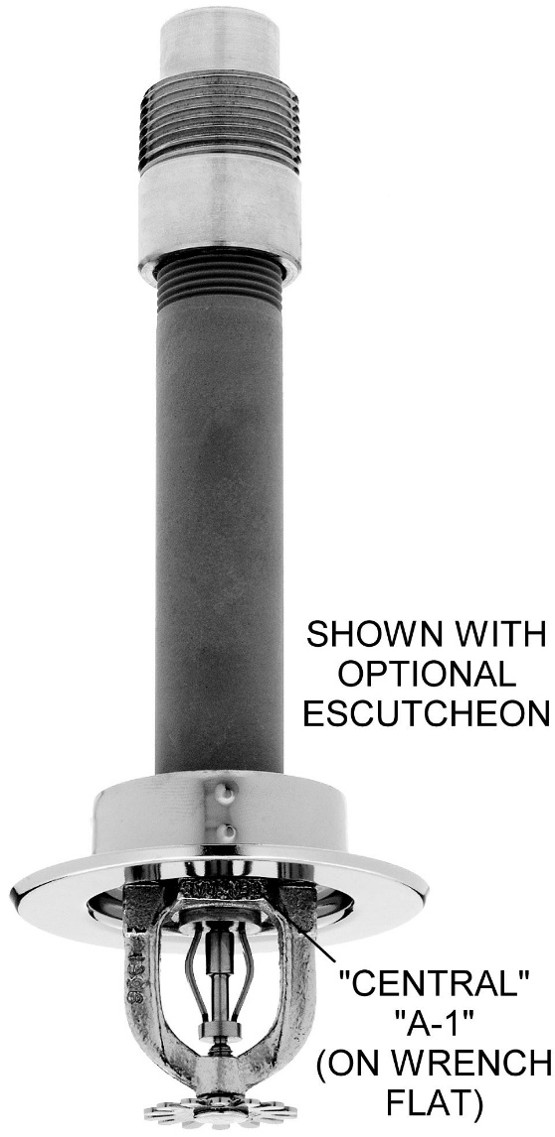
Dry sprinklers are used where exposed piping may face freezing temperatures. The affected Central dry models were manufactured from the mid-1970s through June 2001 and include A-1, H-1, J, K, GB, GB-QR, GB4, GB4-EC, GB4-QREC, GB4-FR, ELO-16 GB, ELO-16 GB FR, ELO-231 GB and ELO-GB QR. Star dry models ME-1, SG, SG-QR, Q and Q-QR are also covered.
The manufacturer name, symbol, model designation or date may be stamped on the frame or deflector. Paint, ceiling position, corrosion or decorative covers can make markings difficult to read. Do not remove, turn, paint, clean or test a sprinkler head yourself; accidental damage can impair the system or release water.
What homeowners and building managers should do
The CPSC’s September 24 alert calls for immediate inspection and professional replacement of recalled heads. A practical response is:
- Locate the fire-sprinkler system records, inspection reports and any paperwork from the 2001–2007 replacement campaign.
- Ask a qualified fire-protection professional to identify every installed sprinkler head, especially in older or partially renovated areas.
- Compare markings and model numbers with the official Central O-ring identification guide.
- If recalled heads are found, arrange replacement through a qualified fire-protection professional and document the completed work.
- Notify the property manager, homeowners association, school, hospital, nursing home or facility administrator when responsibility for the system is shared.
Tyco’s current notice directs questions to Central-Sprinkler-O-Ring-Notice@jci.com. The old no-cost replacement program ended in 2007, so owners should not assume a free remedy remains available. The immediate priority is professional identification and replacement.
Do not confuse inspection with a do-it-yourself test
A sprinkler head is part of a pressurized life-safety system. Visual checking from the floor may help locate markings, but it cannot prove that the O-ring, water supply, valve, piping and alarm connections will function correctly. The CPSC specifically says replacement should be handled by a qualified fire-protection professional.
Do not hang objects from a sprinkler, paint over it, strike it or hold a flame near it. If a head looks damaged, corroded, painted or obstructed, report it to the person responsible for the building rather than attempting a repair.
Keep smoke alarms and an escape plan in place
Fire sprinklers are only one layer of protection. The original CPSC recall notice advised consumers to maintain a working smoke alarm on every floor, especially near sleeping areas, test alarms monthly and practice primary and alternate escape routes. Those precautions remain important while a system is being evaluated.
If your smoke alarms are expired or missing, interconnected smoke alarms are available on Amazon. Confirm the required alarm type, local code and installation method before buying, and do not treat a new alarm as a substitute for inspecting recalled sprinklers.
Disclosure: ReaderSpice may earn a commission from qualifying Amazon purchases made through links in this article, at no additional cost to you.
The bottom line
The recall’s age makes it easy to overlook, but sprinkler heads can remain installed for decades. If a home or building has a system dating from the mid-1970s through 2001—or no clear replacement record—professional identification is warranted. The critical action is not merely finding a similar-looking head; it is confirming the manufacturer, model and installation history and replacing recalled units through a qualified professional.
Sources
CPSC: September 24, 2026 urgent warning on recalled Tyco/Central fire sprinklers
CPSC: Original 2001 Central O-ring fire sprinkler recall
Tyco Fire: Central sprinkler O-ring notice and identification resources
Tyco Fire: Official Central O-ring sprinkler identification guide