
Graziers Raw Milk Cheese Recall: Check Every Package After 13 E. Coli Illnesses

Generic raw-milk cheese products under recall review with an E. coli warning symbol

Sierra Nevada Cheese Company is recalling all Graziers Raw Milk Cheese currently in the market after the products were linked to a multistate outbreak of E. coli O26:H11. The recall is nationwide, and it is broader than a single lot, production date or package size.

Federal investigators list 13 illnesses, eight hospitalizations and three cases of hemolytic uremic syndrome, a potentially life-threatening form of kidney failure. No deaths have been reported. More than half of the people sickened are children age 5 or younger.

The key action is simple: do not eat, serve or sell any Sierra Nevada Graziers raw-milk Monterey Jack, Jalapeño Jack, Medium Cheddar or Sharp Cheddar that may still be in a refrigerator or freezer.

What is being recalled?

The recall covers Sierra Nevada Graziers grass-fed raw milk cheeses in four varieties: Monterey Jack, Jalapeño Jack, Medium Cheddar and Sharp Cheddar. Retail packages include 8-ounce squares and a 16-ounce Medium Cheddar brick. Food-service and wholesale packages include 5-pound loaves and large Cheddar blocks.

The products were distributed nationwide through distributors, retailers and direct customers. FDA also says the recalled cheese was sold through retailers nationwide and online. Because cheese can remain refrigerated or frozen for a long time, older packages may still be in homes and businesses.

How to identify the recalled Graziers cheese
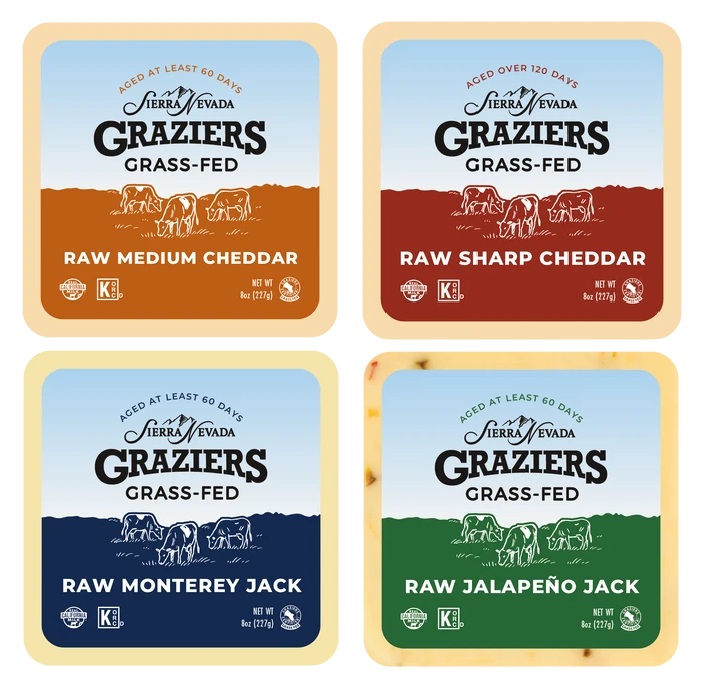
How to identify the recalled Graziers cheese

Look for the Sierra Nevada Graziers name and the words “grass-fed raw milk” on the package. The official product images show cream-colored retail wrappers with green and gold label elements, but packaging can vary by product and size. Use the brand, cheese variety, package size and code together when the original label is available.

If cheese was removed from its original packaging or frozen without a label and you cannot determine whether it is included, FDA advises throwing it away.

Recalled products, sizes and codes

  • Graziers Raw Milk Monterey Jack, 8-ounce square — UPC 6-87652-16400-9
  • Graziers Raw Milk Jalapeño Jack, 8-ounce square — UPC 6-87652-16403-0
  • Graziers Raw Milk Medium Cheddar, 8-ounce square — UPC 6-87652-16506-8
  • Graziers Raw Milk Sharp Cheddar, 8-ounce square — UPC 6-87652-16507-5
  • Graziers Raw Milk Medium Cheddar, 16-ounce brick — UPC 6-87652-16501-3
  • Monterey Jack, 5-pound loaf — item 6425
  • Jalapeño Jack, 5-pound loaf — item 6426
  • Medium Cheddar, 5-pound loaf — item 6510
  • Sharp Cheddar, 5-pound loaf — item 6511
  • Cheddar, 40-pound block — items 6515 and 6516

Retailers may also have repackaged larger loaves or blocks for individual sale. A store label may therefore look different from the original Graziers package. When in doubt, ask the retailer whether its cut cheese came from the recalled product.

Why there is no safe lot or date code

Investigators have not narrowed the problem to a specific lot, date code or production date. Sierra Nevada Cheese Company is therefore recalling all listed Graziers Raw Milk Cheese products that remain in distribution.

That means a best-by date alone cannot clear a package. Consumers should not assume a newer or older wrapper is safe, and they should not taste the cheese to test it. The recall applies to every covered product until officials publish narrower guidance.

What consumers should do now

  • Do not eat or serve recalled Graziers raw-milk cheese.
  • Check refrigerators and freezers, including cheese stored without its original box or wrapper.
  • Return a labeled product to the place of purchase for a refund, or dispose of it so no person or animal can eat it.
  • Wash and sanitize shelves, drawers, containers, cutting boards, knives and other surfaces that touched the cheese.
  • Contact a health care provider promptly if you ate the recalled cheese and develop symptoms of E. coli infection.

Consumers with recall questions can contact Sierra Nevada Cheese Company at 530-934-8662 on weekdays from 8:30 a.m. to 5 p.m. Pacific Time or email recallinfo@sierranevadacheese.com.

What the outbreak numbers show

The current federal investigation reports 13 illnesses across California, Colorado, Georgia, Kentucky, Michigan, Nevada, Oregon, Tennessee and Utah. Eight people have been hospitalized, and three developed hemolytic uremic syndrome. No deaths have been reported.

Among nine people interviewed about what they ate, all nine reported consuming Sierra Nevada Graziers grass-fed raw milk cheese. FDA and CDC continue working with state and local partners to determine the source of contamination and whether other products could be affected.

These numbers can change as investigators identify more cases. Readers should check the official FDA outbreak page for the latest status before serving any product that could be involved.

E. coli symptoms and when to seek care

Shiga toxin-producing E. coli can cause severe stomach cramps, diarrhea that may be bloody, vomiting, fever and nausea. Symptoms can begin a few days after exposure or take as long as nine days to appear.

CDC advises contacting a health care provider right away for:

  • Diarrhea with a fever higher than 102°F
  • Diarrhea lasting more than two days without improvement
  • Bloody diarrhea
  • Vomiting so frequent that liquids will not stay down
  • Signs of dehydration, such as very little urination, a dry mouth or dizziness when standing

Young children, older adults and people with weakened immune systems can face a higher risk of severe illness. More than half of the people reported sick in this outbreak are young children, which makes quick product checks especially important for families and caregivers.

Clean surfaces and prevent cross-contamination

Throwing away the cheese is only the first step. Wash hands, utensils and food-contact surfaces with hot soapy water. Clean refrigerator shelves, bins and reusable containers that held the product. Use a dishwasher for dishwasher-safe items when appropriate.

Do not rinse the cheese in an attempt to make it safe. Washing cannot reliably remove contamination from a food like cheese, and splashing water can spread bacteria to nearby surfaces.

What restaurants and retailers should do

Restaurants, retailers, distributors and food-service operators should stop selling or serving the recalled cheeses. They should identify any cut or repackaged portions made from the recalled loaves or blocks, remove them from sale and clean affected equipment and storage areas.

Businesses should retain supplier records and communicate with customers when required. Employees should not rely only on a store-generated label because repackaged products may not display the original UPC or Graziers branding.

A useful refrigerator safety tool

A refrigerator thermometer can help households confirm that cold foods are being stored at a safe temperature. It cannot make recalled cheese safe or detect E. coli, but it is useful for everyday food-storage checks.

ReaderSpice participates in the Amazon Associates program and may earn a commission from qualifying purchases made through affiliate links, at no extra cost to you.

The bottom line

This is not a one-lot recall. All listed Sierra Nevada Graziers Raw Milk Cheese products currently in the market are included because investigators have not identified a specific safe production window.

Check every refrigerator and freezer, do not eat uncertain cheese, clean anything it touched, and seek medical care for concerning symptoms. The outbreak investigation is ongoing, so the FDA and CDC advisories remain the best sources for future updates.
Sources

Blue Cactus Recliner Battery Recall: Check Model RWX-RBP02

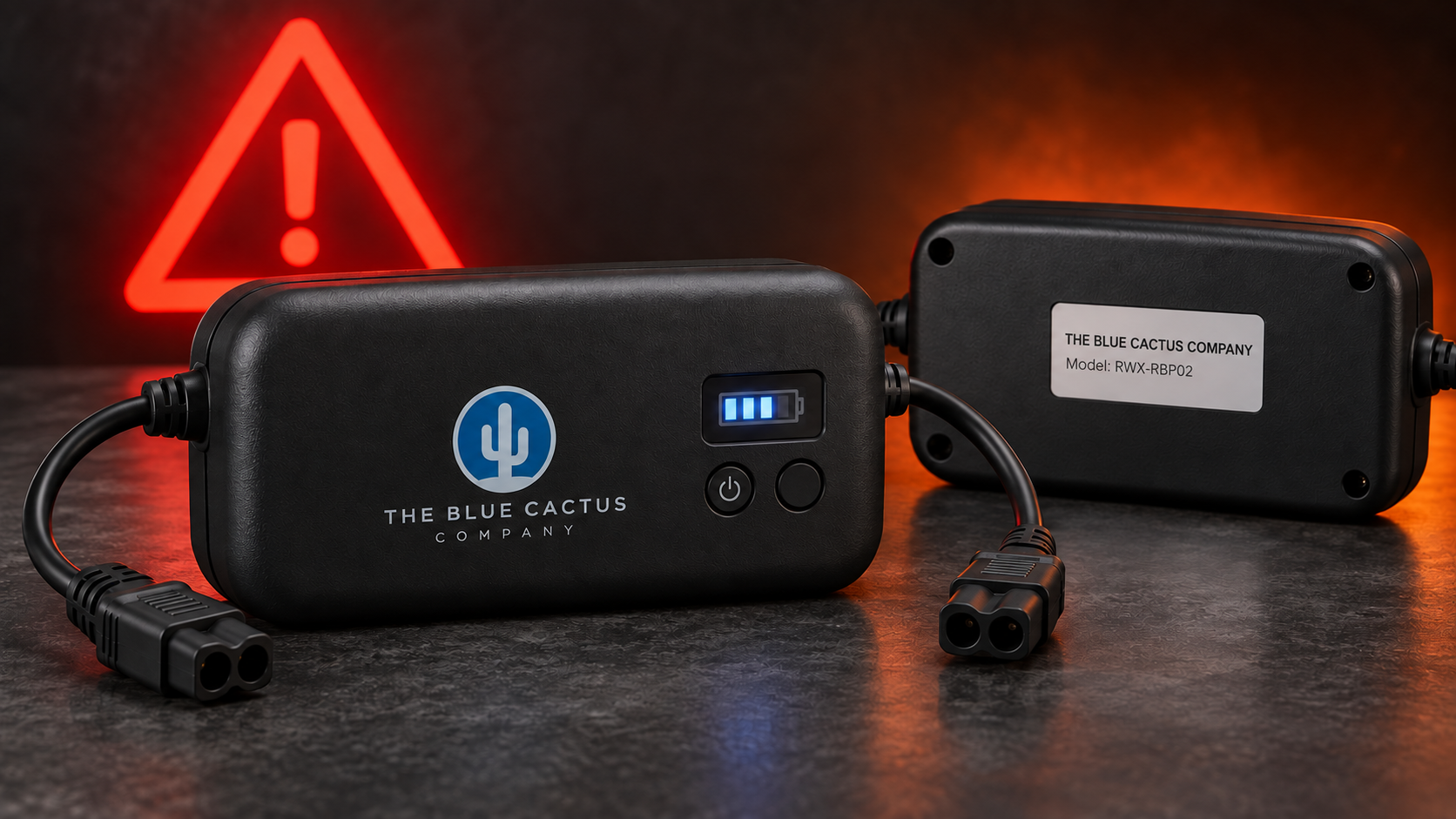
Blue Cactus recliner battery packs beside a red warning symbol for the RWX-RBP02 recall

About 51,000 Blue Cactus 2500 mAh battery packs for powered reclining chairs are being recalled because their lithium-ion batteries can overheat and create fire and burn hazards. Owners should stop using affected packs now, check the label for model RWX-RBP02 and request the company’s free replacement.

On September 24, 2026, the U.S. Consumer Product Safety Commission says it knows of four reports involving batteries that overheated, smoked or ignited. The official notice does not report injuries, but the failure modes are serious enough that continued use is not worth the risk.

Blue Cactus battery recall at a glance

  • Product: The Blue Cactus Company 2500 mAh battery pack for reclining chairs
  • Model: RWX-RBP02
  • Units: About 51,000
  • Hazard: The lithium-ion battery can overheat, creating fire and burn risks
  • Incidents: Four reports of overheating, smoking or ignition
  • Remedy: A free replacement battery pack
  • Sold: Amazon.com from May 2023 through July 2026 for about $105
  • Recall number: 26-791

How to identify the recalled battery pack

Front view of the recalled Blue Cactus RWX-RBP02 recliner battery pack

Look under or behind the recliner for the external battery pack, disconnect power to the chair if it is safe to do so, and inspect the pack itself. The recalled unit is a black, rounded rectangular battery with The Blue Cactus Company name and logo on the front. The identifying model number RWX-RBP02 is printed on the rear label.

The pack was designed for multiple recliner brands, so the furniture maker’s name does not determine whether the battery is included. The model number on the battery is the decisive check. This recall covers the 2500 mAh pack identified as RWX-RBP02; it does not automatically include every Blue Cactus product or every battery used with powered furniture.

What owners should do now

  • Stop using the battery pack immediately, even if it has not shown warning signs.
  • Disconnect it from the recliner and charger only if the pack is cool, undamaged and safe to handle.
  • Photograph the rear label so the model number is clearly visible.
  • Submit the company’s recall form with your contact details, Amazon order ID, shipping address and label photo.
  • Keep the recalled pack in a safe location away from heat, moisture, children and combustible materials while waiting for disposal instructions.
  • Do not resume charging or using the recalled pack while waiting for the replacement.

The Blue Cactus Company says confirmed customers will be added to its replacement list and that replacement packs are expected to ship within six to eight weeks. The company lists recall@thebluecactuscompany.com for assistance.

How to handle a hot, smoking or damaged battery

Do not touch, charge or move a pack that is hot, swollen, hissing, leaking or smoking. Move people and pets away, avoid breathing fumes and call emergency services if there is active smoke, fire or an immediate threat. Do not put water, household trash or loose materials over a failing lithium-ion battery.

If the unit is cool and appears normal, follow the recall instructions rather than improvising repairs. Do not open the battery housing, puncture it or attempt to replace cells yourself.

Do not place the recalled battery in regular trash or recycling

CPSC specifically warns that recalled lithium-ion batteries should not go in household garbage, curbside recycling or the used-battery boxes found at many stores. Recalled packs need different handling because they can create a greater fire risk during collection and transport.

Contact your municipal household hazardous waste program before traveling to a drop-off site and ask whether it accepts recalled lithium-ion batteries. If it does not, request local guidance. EPA generally recommends keeping lithium-battery labels legible, isolating terminals with non-metallic tape or a separate bag, and protecting the battery from damage—but the recall company’s product-specific directions take priority.

A useful home-safety check while you wait

A recalled recliner battery is not a reason to buy a random substitute with an unknown electrical rating. Wait for the approved replacement and use this pause to test the smoke alarms near living areas and sleeping spaces. A relevant option is the First Alert SMCO100 smoke and carbon monoxide alarm.

ReaderSpice may earn a commission from qualifying Amazon purchases. This does not change the price you pay.

What the recall does not say

The notice does not say that every Blue Cactus recliner battery has failed, and it does not report injuries. It also does not authorize continued use of apparently normal RWX-RBP02 packs. A battery can fail without giving owners a reliable advance warning, which is why the official direction is to stop using affected units immediately.

The bottom line

If you bought a Blue Cactus battery for a powered recliner from Amazon between May 2023 and July 2026, check the rear label now. Model RWX-RBP02 is recalled. Stop using it, document the label, submit the replacement request and arrange disposal through a local program that confirms it accepts recalled lithium-ion batteries.

Sources

CPSC recall notice for Blue Cactus reclining-chair battery packs

The Blue Cactus Company recall and replacement instructions

EPA guidance for used lithium-ion batteries

First Alert SMCO100 Amazon product page

Mezzetta Peperoncini Recall: Check SKU 10106328 and Lot 720106

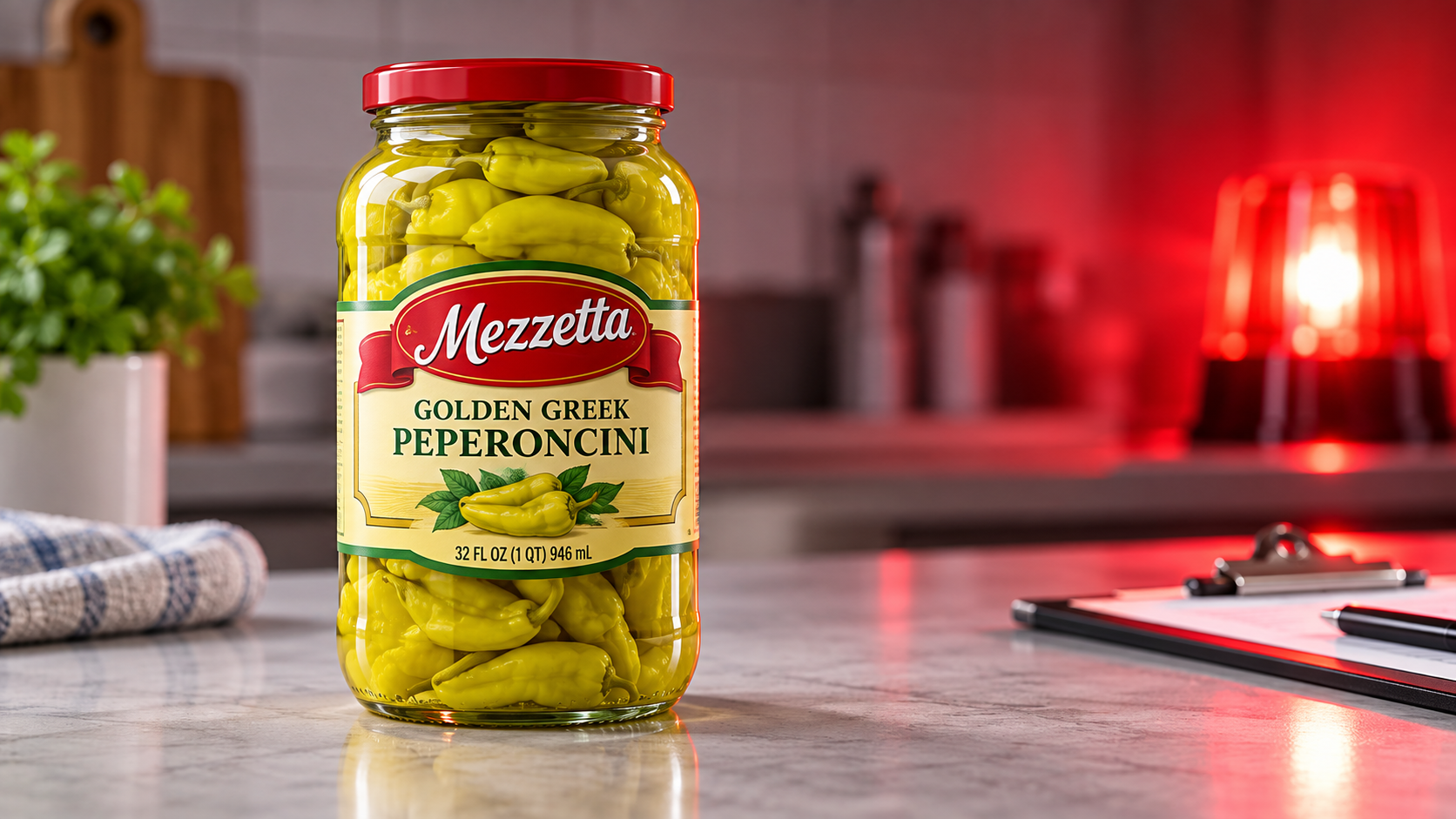
Mezzetta Golden Greek Peperoncini 32-ounce jar with a red food recall alert background

Mezzetta has recalled one specific lot of its Golden Greek Peperoncini Medium Heat after a social-media video showed a potential pest contaminant in a jar. The limited recall covers only the 32-ounce product carrying SKU 10106328 and lot 720106.

The company says it has received no reports of illness or injury. Consumers who find the affected identifiers should not eat the peppers and should contact Mezzetta for assistance.

Mezzetta recall at a glance

  • Product: Mezzetta Golden Greek Peperoncini Medium Heat.
  • Container size: 32 ounces.
  • SKU: 10106328.
  • Lot number: 720106.
  • Reason: A reported potential pest contaminant in a jar.
  • Consumer action: Do not consume the affected product; contact Mezzetta at CustomerSupport@Mezzetta.com.

How to identify the recalled jar

How to identify the recalled jar

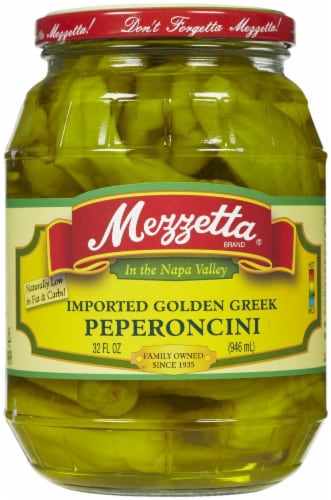
Start with the front label and size. The recalled item is the Mezzetta Golden Greek Peperoncini Medium Heat product in a large 32-ounce glass jar. It contains whole yellow-green peperoncini in brine and has the familiar red-and-green Mezzetta label.

The product name and jar size alone are not enough to determine whether a jar is recalled. The company limited the action to SKU 10106328 and lot 720106. Check the printed lot information on your jar carefully and compare every digit.

If you cannot locate the lot code, do not guess based on the product photo. Set the jar aside and contact Mezzetta at CustomerSupport@Mezzetta.com. A customer-service representative can help confirm where the code is printed and whether the product is included.

Why the product was recalled

Mezzetta says it became aware of a video circulating on social media that showed a potential pest contaminant inside a jar. The company contacted the consumer, began investigating the reported product and initiated a voluntary recall.

The investigation includes reviewing the jar involved in the original report as well as production, sanitation and food-safety records. Mezzetta also says it used its production and distribution records to identify customers that received jars from the affected lot and is working with them to remove those products from sale.

The FDA notice describes the issue as a potential foreign object or pest contaminant in the jar. It does not identify a confirmed illness outbreak, bacterial pathogen or allergen problem. Readers should avoid expanding the warning beyond what regulators and the company have announced.

What consumers should do now

  • Stop using the jar if it matches all three identifiers: Golden Greek Peperoncini Medium Heat, 32 ounces, and lot 720106.
  • Do not open the jar to inspect or taste the contents.
  • Keep the jar separated from food you plan to eat and away from children.
  • Photograph the front label, SKU and lot code before contacting the company.
  • Email CustomerSupport@Mezzetta.com for assistance and follow the company’s instructions.
  • Clean any shelf or surface if the jar leaked or was opened.

Mezzetta’s notice does not direct consumers to return every size or variety of its peppers. The company says no other Mezzetta products or lots are included based on the information currently available.

If someone already ate the product

No illness or injury has been reported in connection with this recall. The company’s instruction is preventive: consumers should not eat peppers from the affected lot.

If you already consumed the product and feel unwell, contact a health professional and explain that the food came from the recalled lot. Seek urgent help for severe symptoms such as trouble breathing, loss of consciousness, persistent vomiting or signs of a serious allergic or physical reaction.

For questions about the recall itself, use Mezzetta’s published customer-support email. If you want to report a product problem to regulators, the FDA’s Safety Reporting Portal provides the appropriate reporting path.

Keep lot information when reorganizing a pantry

Transferring dry foods into clear containers can make pantry contents easier to see, but recall identification often depends on the original package, label and lot code. Photograph or retain that information whenever you decant a product.

ReaderSpice may earn a commission from qualifying purchases.

For dry pantry staples, an OXO Good Grips POP Container provides clear storage, but it should be paired with the original product label or a written lot record.

What the recall does not include

Only one identified 32-ounce product and lot is covered. The notice does not say that all Mezzetta peperoncini, all jar sizes or all Mezzetta products are unsafe. It also does not report confirmed illnesses or injuries.

That narrow scope may change if the investigation finds additional affected products. Consumers should follow the FDA recall page or Mezzetta’s official updates rather than relying on screenshots or reposts that may omit later changes.

The bottom line

Check any 32-ounce jar of Mezzetta Golden Greek Peperoncini Medium Heat for SKU 10106328 and lot 720106. If both identifiers match, do not consume the product and email Mezzetta for assistance. Other products and lots are not included in the company’s current notice.

Sources

FDA: Mezzetta Golden Greek Peperoncini recall announcement

Mezzetta: Golden Greek Peperoncini product page

Kroger: 32-ounce Mezzetta Golden Greek Peperoncini packaging reference

FDA: Safety Reporting Portal

INMO Air3 Smart Glasses Recall: Stop Using Them Until the V3.16 Fix

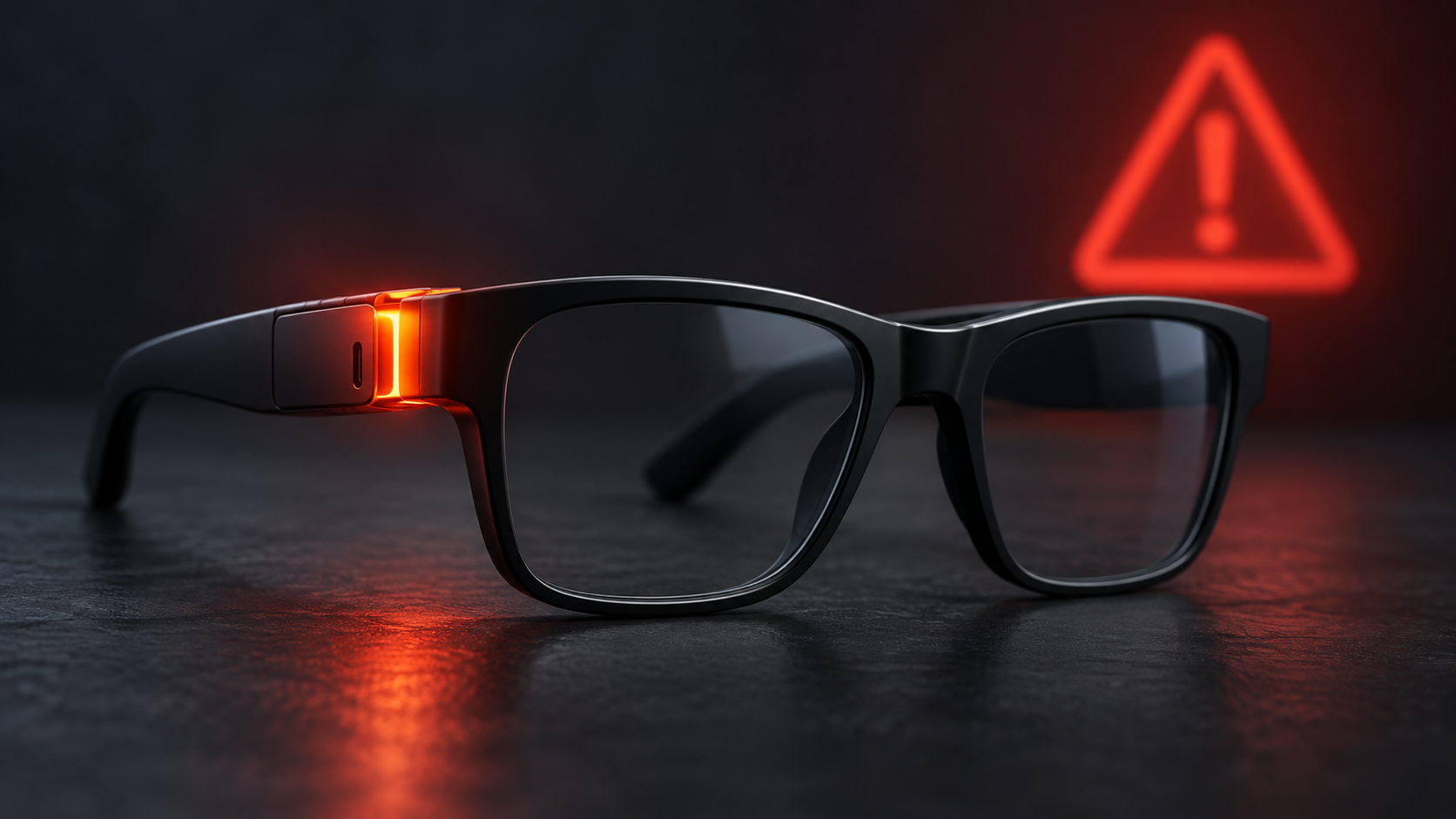
Black AI smart glasses with a glowing left temple and red warning symbol illustrating the INMO Air3 overheating recall

Owners of INMO Air3 smart glasses should stop using them until INMO completes a free online repair that updates the system to version V3.16. The September 24, 2026 recall follows 10 reports of the glasses overheating, including reports of a burning sensation near the face and left side of the ear.

The U.S. Consumer Product Safety Commission says about 1,643 units were sold in the United States, with another 120 sold in Canada. The problem is concentrated in the left temple during extended use, making this a safety issue rather than a routine optional software update.

Why the INMO Air3 smart glasses were recalled

The recalled Air3 contains rechargeable lithium-ion batteries and is designed for AI translation, AI-assisted productivity and media streaming. According to CPSC, the left temple can overheat during extended use and create a burn hazard serious enough to pose a risk of severe injury.

INMO reported 10 overheating incidents to U.S. regulators. CPSC says those reports included users experiencing a burning sensation on the face and around the left ear. Health Canada reported no Canadian incidents or injuries as of September 17, but still instructs owners to stop using the glasses and install version 3.16 before wearing them again.

How to identify recalled INMO Air3 glasses

How to identify recalled INMO Air3 glasses

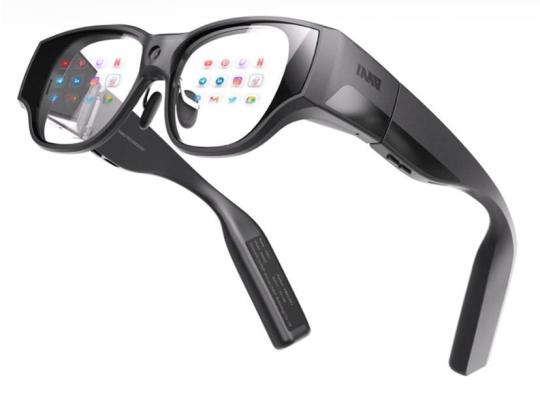
The recall covers black INMO smart glasses with model number AIR3. CPSC says the affected glasses were sold with AI translation, productivity and streaming features. They were available online from December 2025 through August 2026 for approximately $900 to $1,300.

Sales channels included Amazon.com, Kickstarter.com and Inmoxr.com. The U.S. recall number is 26-797.

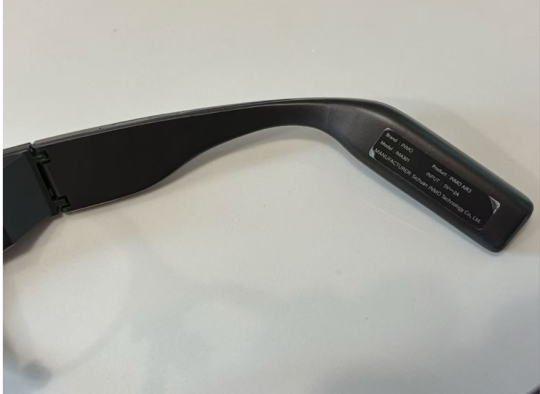
Find the AIR3 label inside the right temple

Find the AIR3 label inside the right temple

Look on the inner side of the right temple, or arm, for a label printed with both “AIR3” and “INMO.” Do not rely only on the overall shape: other smart-glasses models can look similar, while this recall is specific to the Air3.

What owners should do now

Treat version V3.16 as the recall repair, not as an ordinary feature update. The safest approach is to leave the glasses powered off and unworn until INMO confirms the update process and the device reports the corrected version.

Use this checklist:

  • Stop wearing and using the INMO Air3 immediately, even if it has never felt unusually warm.
  • Do not continue a long session to test whether your unit overheats. The reported problem can occur during extended use close to the face and ear.
  • Contact INMO at support.usa@inmoxr.com or 888-212-9620 between 9 a.m. and 5 p.m. ET, Monday through Friday.
  • Be ready to send a clear photo showing the Air3 model, plus the order number and purchase channel if available.
  • Complete the company-assisted online update to version V3.16 and verify the installed version before resuming use.
  • If the glasses are hot, swollen, damaged or smell unusual, stop handling or charging them and ask INMO for device-specific safety instructions.

How the free V3.16 repair works

CPSC describes the remedy as a free repair and says INMO will assist users with an online system update to V3.16. INMO’s recall page asks owners to email its support team with a photo of the affected Air3, an order number when available and the purchase channel.

Because the repair changes the system software, owners should not assume that downloading an unrelated app update completes the recall. Obtain the instructions through INMO’s recall channel, keep any confirmation email and check the version shown on the glasses after the process finishes.

The company’s public notice calls the program a voluntary product-safety improvement, while CPSC classifies it as a recall. For consumers, the practical instruction is the same: stop using the Air3 and complete the V3.16 repair before wearing it again.

What if your glasses already overheated?

If you felt heat or a burning sensation near the left temple, discontinue use and report the incident to INMO. U.S. owners can also submit a product-safety report to CPSC through SaferProducts.gov. Preserve purchase information and photos, but do not put the glasses back on simply to reproduce the problem.

Owners should also avoid charging a device that appears damaged, swollen or abnormally hot. The recall notice does not direct consumers to discard the glasses; it provides a software-based repair. Follow INMO’s instructions rather than attempting to open or repair the frame yourself.

Buying different smart glasses instead

If you decide not to wait for the repair, compare current alternatives carefully for camera indicators, update support, battery placement and return policies. ReaderSpice’s guide on how to tell if smart glasses are recording explains the privacy signals and limitations bystanders should understand.

You can also compare Ray-Ban Meta smart glasses on Amazon, but verify the exact model, seller and current safety notices before buying. As an Amazon Associate, ReaderSpice earns from qualifying purchases.

Bottom line

The Air3 recall is narrow but important because the product sits directly against the face and ear. If the inside of the right temple says AIR3 and INMO, stop using the glasses and contact the company for the V3.16 online repair. Resume use only after the corrected version is installed and confirmed.

Sources

U.S. Consumer Product Safety Commission: INMO Air3 Smart Glasses Recall

INMO: Air3 Voluntary Product Safety Improvement and Update Instructions

Health Canada: Recent Consumer Product Recalls and Safety Alerts

NEWDERY Power Bank Recall: Check Model ZHX-PB22 and Get a Refund

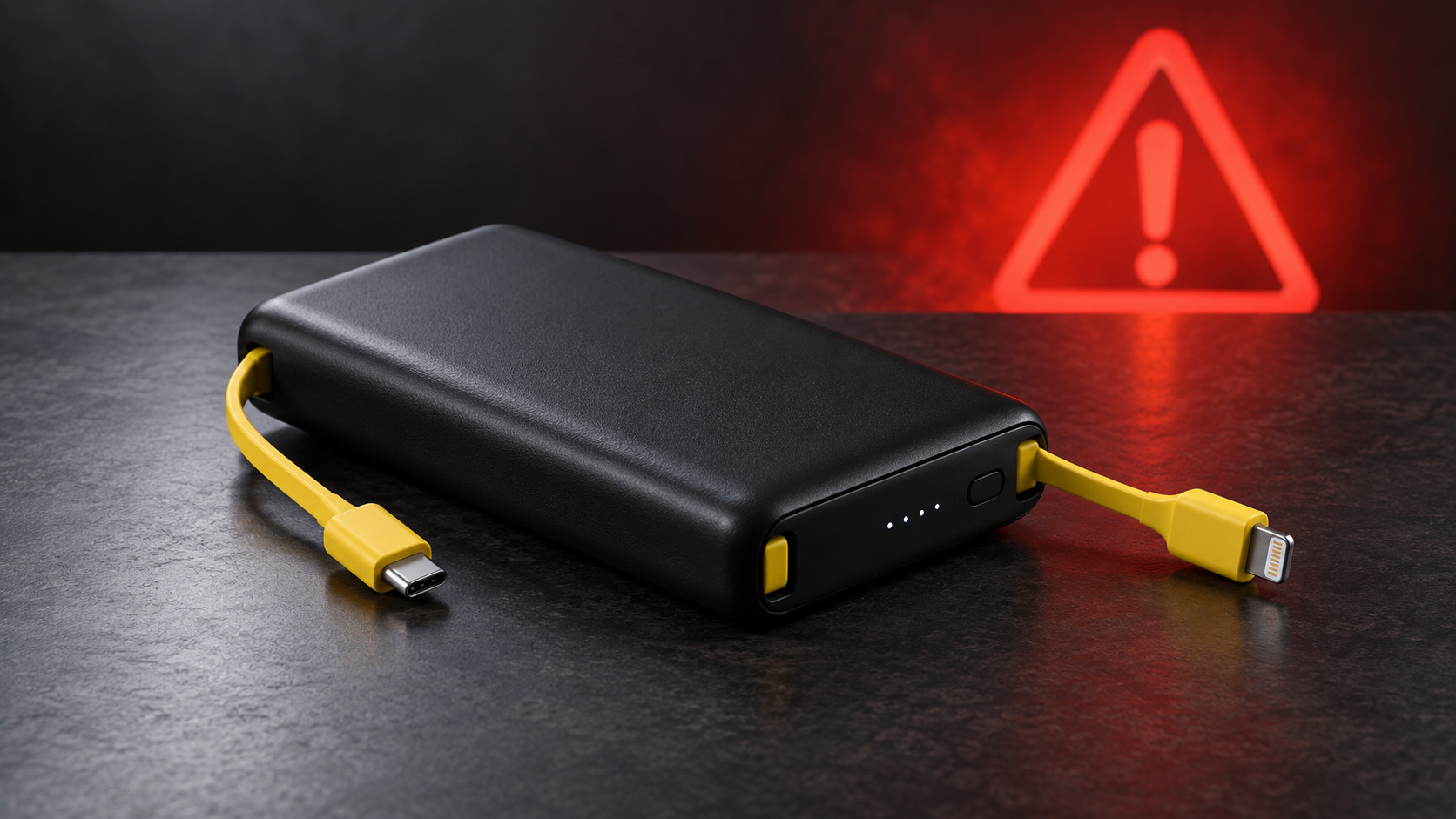
Black power bank with yellow charging cables beside a red warning symbol for the NEWDERY ZHX-PB22 recall

A newly announced recall covers about 21,380 NEWDERY portable power banks sold through Amazon. If you own a black charger with built-in yellow cables, stop using it and check the back for model ZHX-PB22 before charging another device.

The U.S. Consumer Product Safety Commission announced the recall on September 24, 2026, after nine reports of the power banks exploding or igniting. Those reports include one burn injury and a serious fire that caused $2 million in property damage. NEWDERY is offering a full refund.

What the NEWDERY power bank recall covers

The recall applies only to NEWDERY power banks marked with model number ZHX-PB22. The affected units are black, have yellow integrated charging cables and carry the NEWDERY name engraved on the front. The model number appears on the back.

The recalled power banks were sold on Amazon.com from October 2023 through November 2024 for roughly $27 to $50. CPSC lists Shenzhen Xinkewangda Electronics Co., Ltd., doing business as NEWDERY, as the importer. The recall number is 26-792.

How to identify the recalled NEWDERY power bank

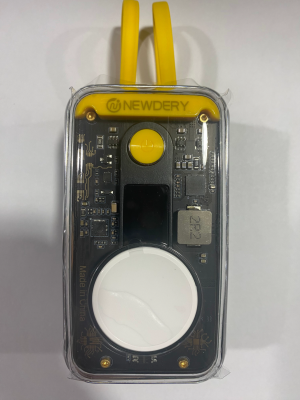
How to identify the recalled NEWDERY power bank

Look at the front of the charger first. The recalled unit has a plain black case, yellow cables stored along its edges and NEWDERY engraved on the face. Color alone is not enough to confirm the recall, so continue to the model-number check.

Check the back for model ZHX-PB22

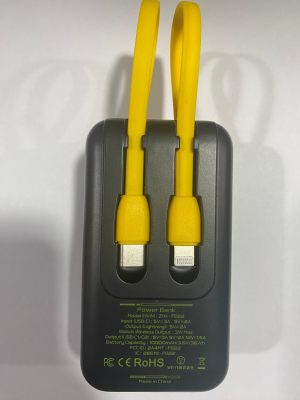
Check the back for model ZHX-PB22

Turn the power bank over and find the printed product information. The identifying model is ZHX-PB22. If that exact number is not visible, compare your unit with the official CPSC photos and contact NEWDERY before assuming it is unaffected.

What to do if you have model ZHX-PB22

Do not charge the power bank, connect it to a phone or continue carrying it as a backup battery. CPSC’s remedy is a full refund, and its instructions require owners to document the recalled unit and confirm proper disposal.

Follow these steps:

  • Stop using the power bank immediately and disconnect it from chargers and devices.
  • Contact NEWDERY through its recall page, by email at support@newdery.com or by phone at 888-256-6673 from 11 a.m. to 7 p.m. ET, Monday through Friday.
  • Prepare a photo showing the model number and serial number. Write “recalled” and your last name on the power bank with permanent marker, as directed by CPSC.
  • Ask your municipal household hazardous-waste facility whether it accepts recalled lithium-ion batteries before taking the unit there.
  • Keep the refund documentation and follow the company’s confirmation steps. Do not mail or ship the battery unless you receive instructions that comply with hazardous-material rules.

Do not put the recalled battery in household trash

CPSC specifically warns owners not to place this recalled device in household garbage, curbside recycling or ordinary used-battery collection boxes at stores. Recalled lithium-ion batteries present a greater fire risk than typical spent batteries and may require special handling.

The EPA likewise says lithium-ion batteries and devices containing them should not go into trash or municipal recycling bins. For ordinary used batteries, EPA advises isolating terminals with nonconductive tape and placing each battery or device in a separate plastic bag. Because this model is recalled, however, follow CPSC’s stricter direction: call the local household hazardous-waste facility first and disclose that the unit is a recalled lithium-ion power bank.

How to request the full refund

Start with the NEWDERY recall page and use the contact details in the CPSC notice if you need help. CPSC says the refund process requires a photo that shows the model and serial numbers, plus the word “recalled” and the owner’s last name written on the device. Owners must also confirm that the power bank was disposed of according to applicable rules.

NEWDERY’s page also asks consumers who have not already received an Amazon refund to provide their Amazon order number, an explanation or screenshot showing why Amazon did not refund the purchase, and photos documenting proper processing or disposal. If the company’s webpage differs from the federal recall notice, follow the current CPSC instructions and ask NEWDERY to clarify the requirement in writing.

Should you replace the recalled charger?

A replacement is optional, but anyone who regularly travels or relies on backup charging may want another compact power bank after the recalled unit is safely handled. Check the replacement’s current safety notices, manufacturer support and connector compatibility before buying.

One widely available alternative is the Anker 313 Power Bank (PowerCore 10K). Verify the exact model and current listing before purchase, since recalls and specifications can change. As an Amazon Associate, ReaderSpice earns from qualifying purchases.

Why this recall matters

Portable chargers concentrate substantial energy in a small enclosure. When a defective lithium-ion cell overheats, the failure can escalate quickly, which is why continued use is not worth the risk even if a particular unit has never become unusually warm.

The September 24 recall follows a June 2025 CPSC warning about the same model, issued when the importer had not agreed to a recall. The new recall provides a formal refund route and expands the stated number of affected units. Owners who saw the earlier warning but kept the device should act now.

Sources

U.S. Consumer Product Safety Commission: NEWDERY Power Banks Recall (September 24, 2026)

NEWDERY: Power Bank Recall Instructions

U.S. Environmental Protection Agency: Used Lithium-Ion Batteries

Star Meat Recall: 167,639 Pounds of Beef, Pork and Goat—Check EST. 1363

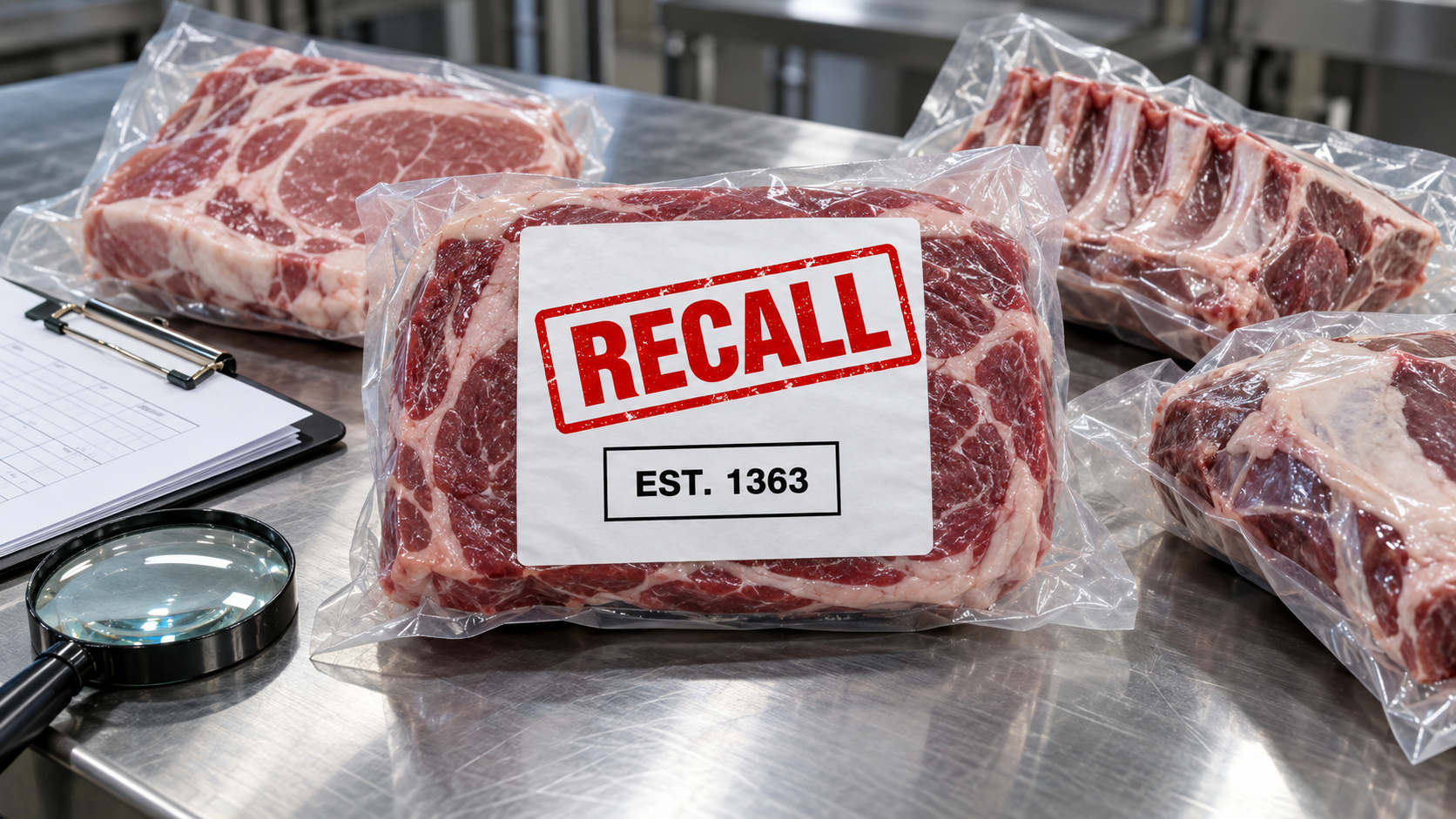
Recalled vacuum-sealed raw meat packages with a red recall label and false EST. 1363 inspection code

A nationwide Class I recall covers approximately 167,639 pounds of raw pork, beef and goat products made by Star Meat Delivery Inc. without federal inspection. The bulk products were shipped under the A&D Foods name to a Georgia distributor, then sent to retail stores and restaurants across the United States.

The most important identifier is a false USDA inspection mark carrying establishment number “EST. 1363.” The U.S. Department of Agriculture’s Food Safety and Inspection Service (FSIS) says that number is not associated with a federally inspected establishment. Consumers should not eat affected meat, even if it looks or smells normal.

What the Star Meat recall covers

The recalled meat was produced on various dates before September 22, 2026. Products were vacuum-sealed and packed in cardboard boxes in varying weights. FSIS says both fresh and frozen meat may be involved.

The recall was announced September 22 and classified as Class I, the agency’s highest risk category. A Class I designation means there is a reasonable probability that using the product could cause serious adverse health consequences or death. No confirmed illnesses or injuries had been reported when FSIS issued the notice.

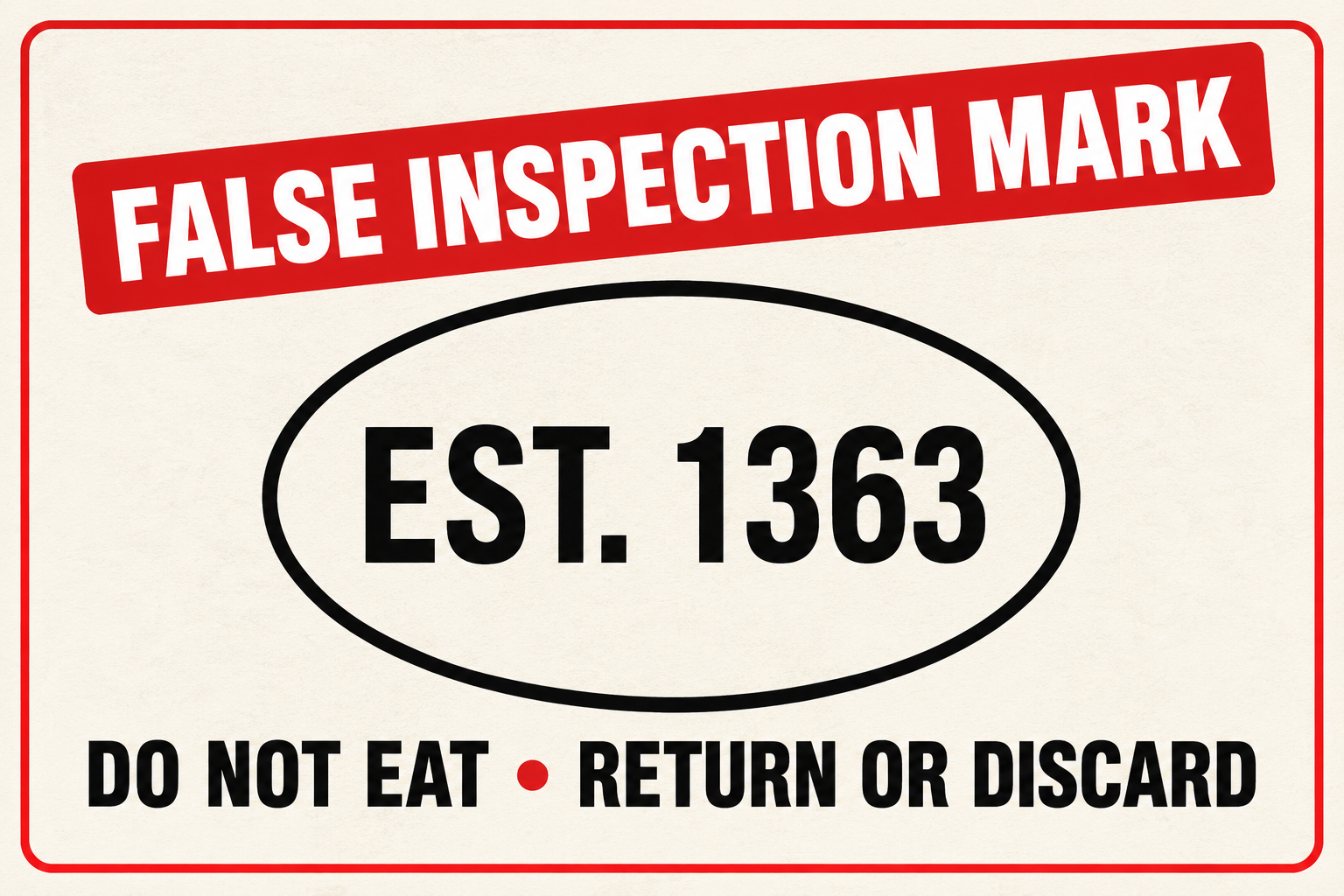
How to identify the false EST. 1363 mark

False EST. 1363 meat inspection mark with do not eat, return or discard warning

Check large boxes, vacuum-sealed inner packages and any original labels for “EST. 1363.” FSIS says this establishment number is false. If you find it, do not cook, taste, sell or serve the meat.

Identification can be harder for household shoppers because stores may have repackaged the bulk meat and added their own price or safe-handling labels. If a package no longer shows the original A&D Foods label or establishment number, contact the store or restaurant and ask whether its beef, pork or goat products came through A&D Foods in Georgia or Star Meat Delivery in North Carolina.

FSIS published a 19-page label guide showing the recalled box labels. Compare the product name, cut, package format and any remaining codes—not just the retailer’s sticker.

All 23 recalled product types

The official notice lists the following A&D Foods products. Package weights can vary, so do not rely on weight alone.

  • GOAT CUT 1-1/2” 10.00 LBS
  • GOAT BURN SKIN ON CUT 1-1/2” 10.00 LBS
  • SLICE RIBEYE 4oz 10.00 LBS
  • BEEF CHUCK THIN SLICED KBQ 4 MM 20.00 LBS
  • BEEF OXTAIL CUT 10.00 LBS
  • BEEF SHORT RIBS SLD 3/8” REGULAR 10.00 LBS
  • SHANKS BONE IN CUT 1.5 10.00 LBS
  • PORK GROUND 10.00 LBS
  • PORK CHORIZO 10.00 LBS
  • PORK CHOP B/I 10.00 LBS
  • PORK FEET CUT 8 PCS 10.00 LBS
  • PORK FEET CUT 6 PCS 10.00 LBS
  • PORK RIB PIECES PREM 1” 10.00 LBS
  • PORK BOSTON DICED 10.00 LBS
  • PORK BOSTON SLICE 1 INCH 20.00 LBS
  • Menudo Mix 30.00 LBS
  • PORK BOSTON THIN SLICED 3.5MM 20.00 LBS
  • PORK HOCK SLICED 10.00 LBS
  • Beef Ribs 4Bone 2” C. Cut P/Caldo
  • Beef Short Rib Thin Sliced
  • Pork Boston Butt Sliced 4MM
  • Beef Short Ribs SLD 3/8” Premium C. Cut
  • Beef Feet Cut

What consumers should do now

  • Do not eat the product. Cooking is not a substitute for the missing federal inspection and does not resolve possible undeclared allergens or every potential hazard.
  • Photograph the package, retailer label, receipt and any visible codes before disposal. This can help the store trace its supplier.
  • Return the meat to the place of purchase or discard it securely so people and animals cannot retrieve it.
  • Clean and sanitize refrigerator or freezer shelves, containers and utensils that contacted leaking raw meat. Wash hands thoroughly afterward.
  • Ask the retailer or restaurant directly if you received repackaged meat and the original establishment number is missing.

FSIS says retailers and restaurants should not sell or serve the recalled products. The agency is concerned some meat may remain in household freezers, restaurant kitchens or store back rooms because the products were distributed nationwide.

Why meat produced without inspection is a serious issue

Federal inspection is not a guarantee that every food is risk-free, but it provides required oversight of slaughter and processing, sanitation controls, labeling and other safeguards. Meat made outside that system can carry undeclared allergens, harmful bacteria or other contaminants that were not identified through routine inspection.

This recall is not tied to one confirmed pathogen, and the absence of reported illness does not establish that the meat is safe. The action is based on the products being produced without inspection and bearing a false inspection mark.

How to report a problem or ask questions

For recall-specific questions, FSIS lists Jennifer Joyner of Star Meat Delivery Inc. at 252-239-0610. Consumers with general meat or poultry safety questions can call the USDA Meat and Poultry Hotline at 888-674-6854 or submit a question through Ask USDA.

If anyone becomes ill after eating a suspected recalled product, contact a health care professional and report the event to the appropriate local health department. Keep photos, packaging details and purchase information if they are available.

A small temperature monitor can help confirm that a refrigerator or freezer stays in a safe range, but it cannot make recalled meat safe. ReaderSpice may earn a commission from qualifying Amazon purchases at no additional cost to you.

The bottom line

Check raw beef, pork and goat products for the false “EST. 1363” mark, especially bulk or repackaged meat bought from retailers that may have received A&D Foods products. If the original label is gone and you are unsure, ask the seller to verify its supplier. Do not eat affected products; return or discard them.

Sources

USDA FSIS recall notice: Star Meat Delivery raw pork, beef and goat products

USDA FSIS product-label guide for Recall 022-2026

USDA FSIS guide to understanding food recalls

Allrecipes consumer report on the Star Meat recall

Quartz report on the false inspection marks and distribution

Tyco Fire Sprinkler Recall Warning: How to Check Older Buildings Now

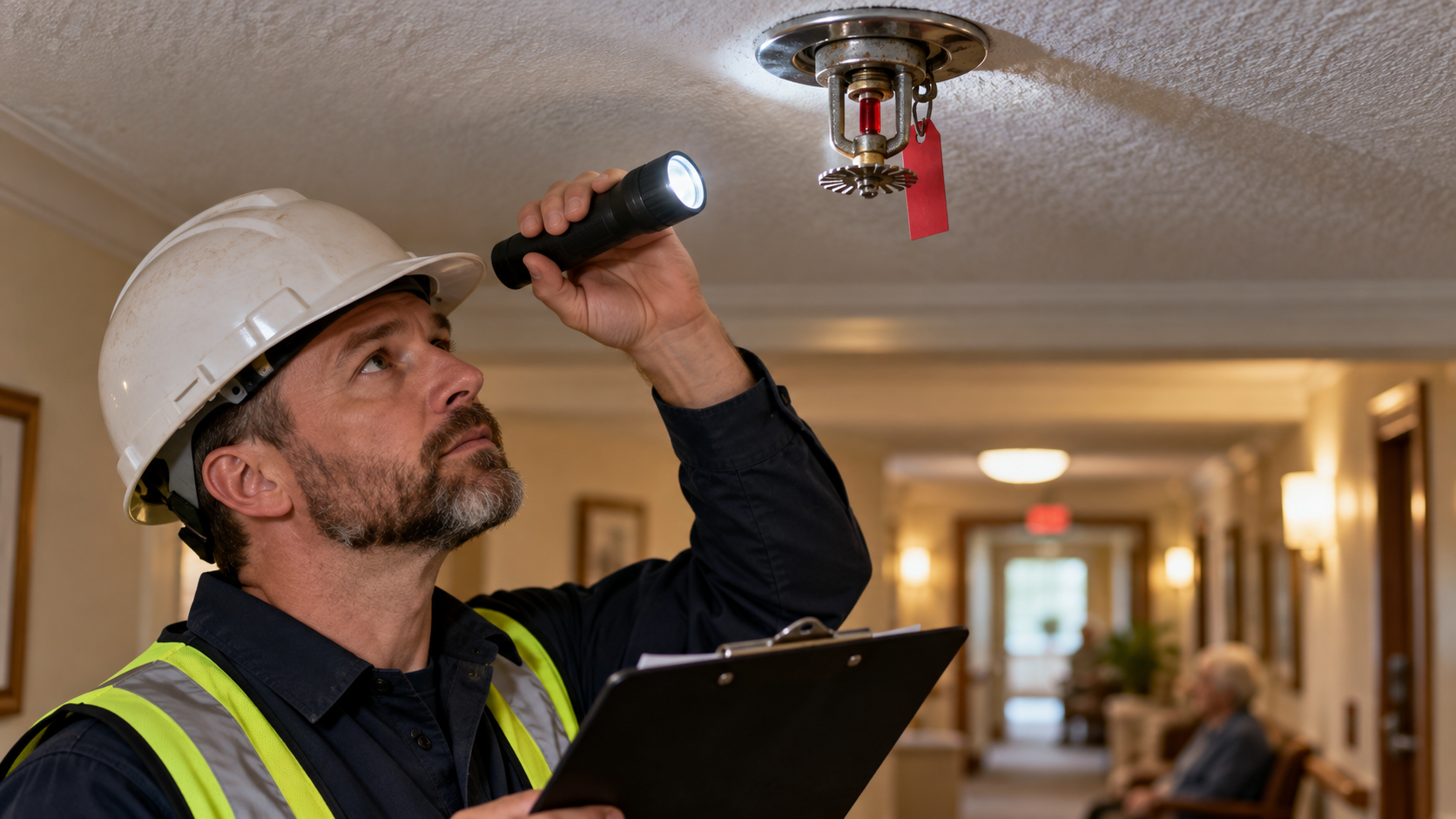
Fire-protection professional inspecting an older ceiling sprinkler after the Tyco recall warning

A fire sprinkler recall first announced more than two decades ago is back in the spotlight. On September 24, 2026, the U.S. Consumer Product Safety Commission and Tyco Fire Products urged immediate inspections because some recalled Central, Gem and Star sprinkler heads may still be installed in homes, apartments, assisted-living facilities and other buildings.

The affected sprinklers use rubber O-ring seals that can degrade, corrode or become affected by minerals and other contaminants in water. That can prevent a sprinkler from activating when a fire occurs. The warning is especially important for buildings with systems installed from the mid-1970s through June 2001.

Why the CPSC renewed this warning

The original July 2001 recall covered 35 million Central wet and dry sprinklers with O-ring seals, plus about 167,000 sprinklers sold under the Gem and Star names. Millions were replaced before the replacement program closed on August 31, 2007, but the CPSC now says a significant number of unremediated heads may remain in service.

The renewed alert follows a July 13, 2025 fire at an assisted-living facility in Fall River, Massachusetts. Ten residents died and dozens more were injured. According to the CPSC, dozens of recalled sprinkler heads at the facility had not been replaced even though they had been identified during a previous fire-safety inspection. The agency cited the tragedy as an urgent reminder to locate and remove any recalled units still in service.

Buildings that may still have affected sprinklers

The recalled heads were installed nationwide in many types of buildings, not only large commercial properties. The original notice listed houses, apartments, hospitals, day-care facilities, schools, dormitories, nursing homes, supermarkets, parking garages, warehouses and offices.

Owners and managers should pay particular attention to older structures, buildings renovated before 2001 and properties whose fire-suppression records are incomplete. A newer-looking ceiling or remodeled room does not prove that every sprinkler head was replaced.

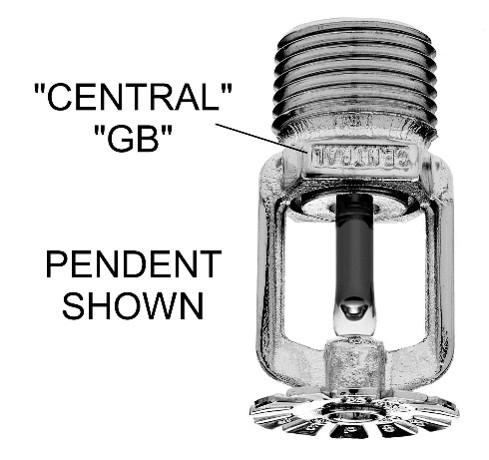
How to recognize a recalled wet sprinkler

CPSC identification photo of a recalled Central wet fire sprinkler

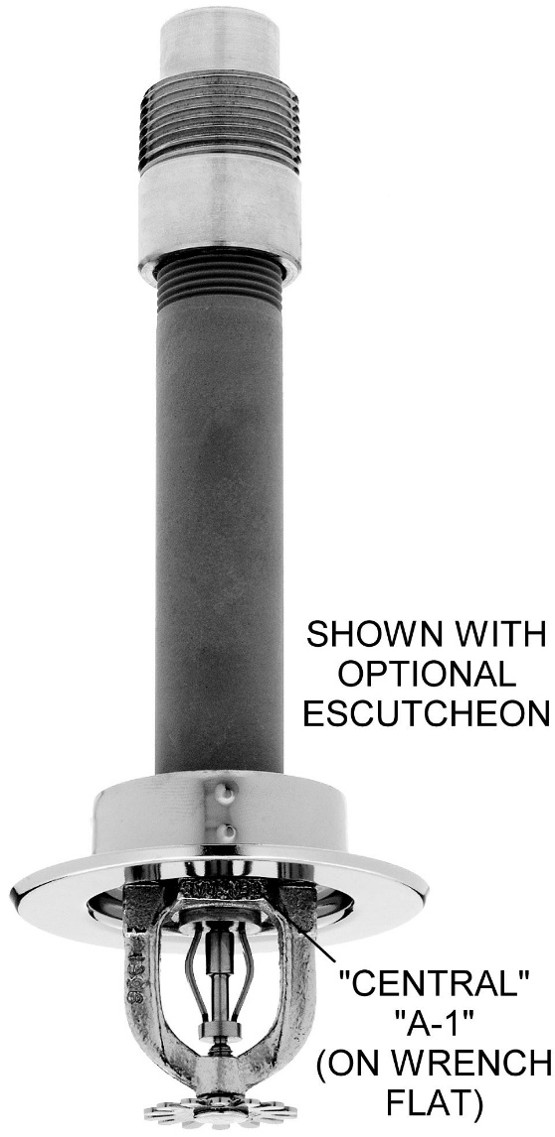
A wet sprinkler is connected to piping that normally contains water. The original recall covered Central wet models made from 1989 through 2000. Markings can include CENTRAL, CSC or model codes stamped on the metal frame or the flower- or gear-shaped deflector.

Affected Central wet model families include GB, GB4, GB-R, GB-20, GB-QR, GBR, BB1, BB2, BB3, SD1, SD2, SD3, ELOC, ESLO, ELO, HIP, WS, LF, LD, ROC, K17-231 and related variants. The Gem F927 wet sprinkler is also included. Because the full list contains many suffix variations, use Tyco’s official identification guide and have a qualified professional confirm the model.

How to recognize a recalled dry sprinkler

CPSC identification photo of a recalled Central dry fire sprinkler

Dry sprinklers are used where exposed piping may face freezing temperatures. The affected Central dry models were manufactured from the mid-1970s through June 2001 and include A-1, H-1, J, K, GB, GB-QR, GB4, GB4-EC, GB4-QREC, GB4-FR, ELO-16 GB, ELO-16 GB FR, ELO-231 GB and ELO-GB QR. Star dry models ME-1, SG, SG-QR, Q and Q-QR are also covered.

The manufacturer name, symbol, model designation or date may be stamped on the frame or deflector. Paint, ceiling position, corrosion or decorative covers can make markings difficult to read. Do not remove, turn, paint, clean or test a sprinkler head yourself; accidental damage can impair the system or release water.

What homeowners and building managers should do

The CPSC’s September 24 alert calls for immediate inspection and professional replacement of recalled heads. A practical response is:

  • Locate the fire-sprinkler system records, inspection reports and any paperwork from the 2001–2007 replacement campaign.
  • Ask a qualified fire-protection professional to identify every installed sprinkler head, especially in older or partially renovated areas.
  • Compare markings and model numbers with the official Central O-ring identification guide.
  • If recalled heads are found, arrange replacement through a qualified fire-protection professional and document the completed work.
  • Notify the property manager, homeowners association, school, hospital, nursing home or facility administrator when responsibility for the system is shared.

Tyco’s current notice directs questions to Central-Sprinkler-O-Ring-Notice@jci.com. The old no-cost replacement program ended in 2007, so owners should not assume a free remedy remains available. The immediate priority is professional identification and replacement.

Do not confuse inspection with a do-it-yourself test

A sprinkler head is part of a pressurized life-safety system. Visual checking from the floor may help locate markings, but it cannot prove that the O-ring, water supply, valve, piping and alarm connections will function correctly. The CPSC specifically says replacement should be handled by a qualified fire-protection professional.

Do not hang objects from a sprinkler, paint over it, strike it or hold a flame near it. If a head looks damaged, corroded, painted or obstructed, report it to the person responsible for the building rather than attempting a repair.

Keep smoke alarms and an escape plan in place

Fire sprinklers are only one layer of protection. The original CPSC recall notice advised consumers to maintain a working smoke alarm on every floor, especially near sleeping areas, test alarms monthly and practice primary and alternate escape routes. Those precautions remain important while a system is being evaluated.

If your smoke alarms are expired or missing, interconnected smoke alarms are available on Amazon. Confirm the required alarm type, local code and installation method before buying, and do not treat a new alarm as a substitute for inspecting recalled sprinklers.

Disclosure: ReaderSpice may earn a commission from qualifying Amazon purchases made through links in this article, at no additional cost to you.

The bottom line

The recall’s age makes it easy to overlook, but sprinkler heads can remain installed for decades. If a home or building has a system dating from the mid-1970s through 2001—or no clear replacement record—professional identification is warranted. The critical action is not merely finding a similar-looking head; it is confirming the manufacturer, model and installation history and replacing recalled units through a qualified professional.

Sources

CPSC: September 24, 2026 urgent warning on recalled Tyco/Central fire sprinklers

CPSC: Original 2001 Central O-ring fire sprinkler recall

Tyco Fire: Central sprinkler O-ring notice and identification resources

Tyco Fire: Official Central O-ring sprinkler identification guide

Wholesome Pantry Applesauce Recall: Check the UPC and Best-By Date

Applesauce jar beside a recall warning telling shoppers to check the UPC and best-by date

Wakefern Food Corp. has recalled select 23-ounce jars of Wholesome Pantry Organic Unsweetened Apple Sauce after routine FDA testing found elevated levels of patulin. The FDA published the notice on September 22, 2026, and consumers are being told not to eat the affected product.

The recalled jars carry one specific UPC and one best-by date. No illnesses or injuries had been reported when the announcement was posted, but shoppers should check cupboards, refrigerators and packed lunches now because applesauce can remain in a home for months.

Recall at a glance

  • Product: Wholesome Pantry Organic Unsweetened Apple Sauce
  • Container: 23-ounce plastic jar
  • UPC: 04119005677
  • Best-by date: June 16, 2027
  • Reason: Elevated patulin levels found during routine FDA testing
  • Action: Do not consume it; return it for an immediate refund or replacement
  • Illness reports: None reported in the company announcement

Wakefern’s official recall announcement says no other products sold at the affected supermarket banners are included. That means the product name, package size, UPC and best-by date all matter when deciding whether a jar is part of this recall.

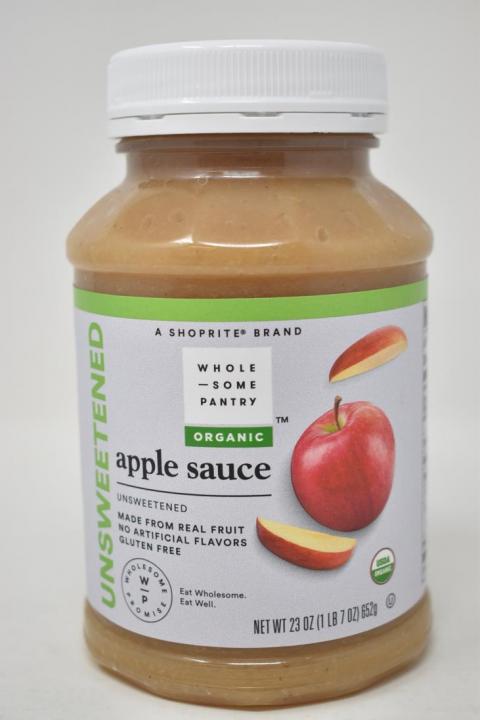
Wholesome Pantry recalled jar label

Wholesome Pantry recalled jar label

The front label identifies the product as Wholesome Pantry Organic Unsweetened Apple Sauce in a 23-ounce jar. The recalled UPC is 04119005677. Shoppers should match every identifier instead of relying only on the color or shape of the container.

If the brand, size, UPC or date differs, the jar is not the product described in this announcement. When the label is damaged or unreadable, set the product aside and ask the retailer to confirm it rather than guessing.

Where the recalled applesauce was sold

Wakefern distributed the product through ShopRite, Price Rite Marketplace, The Fresh Grocer, Gourmet Garage and Fairway Market. These banners operate across several northeastern states, so the recall is not limited to one individual store.

Wakefern’s company profile lists supermarkets in New Jersey, New York, Connecticut, Pennsylvania, Maryland, Delaware, Massachusetts, New Hampshire and Rhode Island. The recall notice does not say every location in every state sold the affected lot, so checking the jar remains more reliable than assuming it is safe based on where it was purchased.

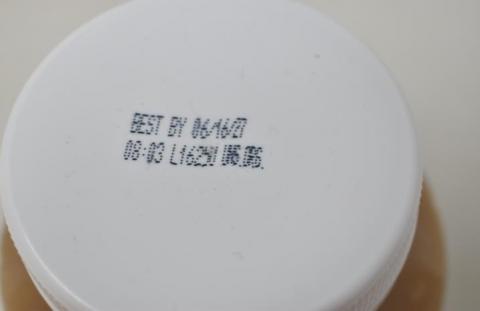
Best-by date on the recalled jar lid

Best-by date on the recalled jar lid

The affected best-by date is June 16, 2027, printed on the lid. A matching date alone is not enough: confirm that the product is the 23-ounce Wholesome Pantry Organic Unsweetened Apple Sauce and that the UPC is 04119005677.

What is patulin?

The FDA notice describes patulin as a naturally occurring substance produced by molds that can grow on damaged or bruised apples. It may be present in products made from affected fruit. Wakefern said the level detected in this applesauce exceeded food-safety limits, so the recalled product should not be consumed.

This is a product-specific recall, not a warning against applesauce generally. The practical response is to identify the listed jar accurately, stop using it and follow the retailer’s return instructions.

What shoppers should do now

  • Stop eating the applesauce immediately if every identifying detail matches.
  • Keep the jar closed and separate from food that family members may use by mistake.
  • Take a photo of the front label, UPC and lid date before returning it.
  • Return the jar to the store for an immediate refund or replacement.
  • Check lunch bags, pantry bins and secondary refrigerators for another jar from the same purchase.
  • Tell anyone who shares groceries in the household, especially caregivers or relatives who may serve the product to children.

The recall notice does not instruct consumers to taste or smell the applesauce to judge safety. Mold-related contamination is not something shoppers should try to confirm at home.

What if someone already ate it?

Wakefern reported no associated illnesses or injuries at the time of the announcement. Anyone who feels unwell or has a health concern after consuming the recalled product should contact a medical professional for individualized advice. Consumers can also report a product problem to the FDA through its safety-reporting portal.

Refund and contact information

Customers can return the recalled jar to the store for an immediate refund or replacement. Wakefern directs questions to 1-800-ShopRite (1-800-746-7748), Monday through Friday from 8 a.m. to 6 p.m., and Saturday and Sunday from 9 a.m. to 5 p.m.

If you need a replacement pantry option after returning the jar, you can compare organic unsweetened applesauce options on Amazon. Check the seller, package size and current product information before ordering.

As an Amazon Associate, ReaderSpice earns from qualifying purchases.

The bottom line

Check Wholesome Pantry Organic Unsweetened Apple Sauce in 23-ounce jars for UPC 04119005677 and a June 16, 2027 best-by date. Do not consume a matching jar. Return it to the retailer for a refund or replacement, and use the official FDA notice if you need to compare the package photos.

Sources

FDA: Wholesome Pantry Organic Unsweetened Apple Sauce recall

FDA: Current recalls, market withdrawals and safety alerts

FDA: Report a product problem

Melissa & Doug Fire Truck Recall: Check Date Codes and Get a Refund

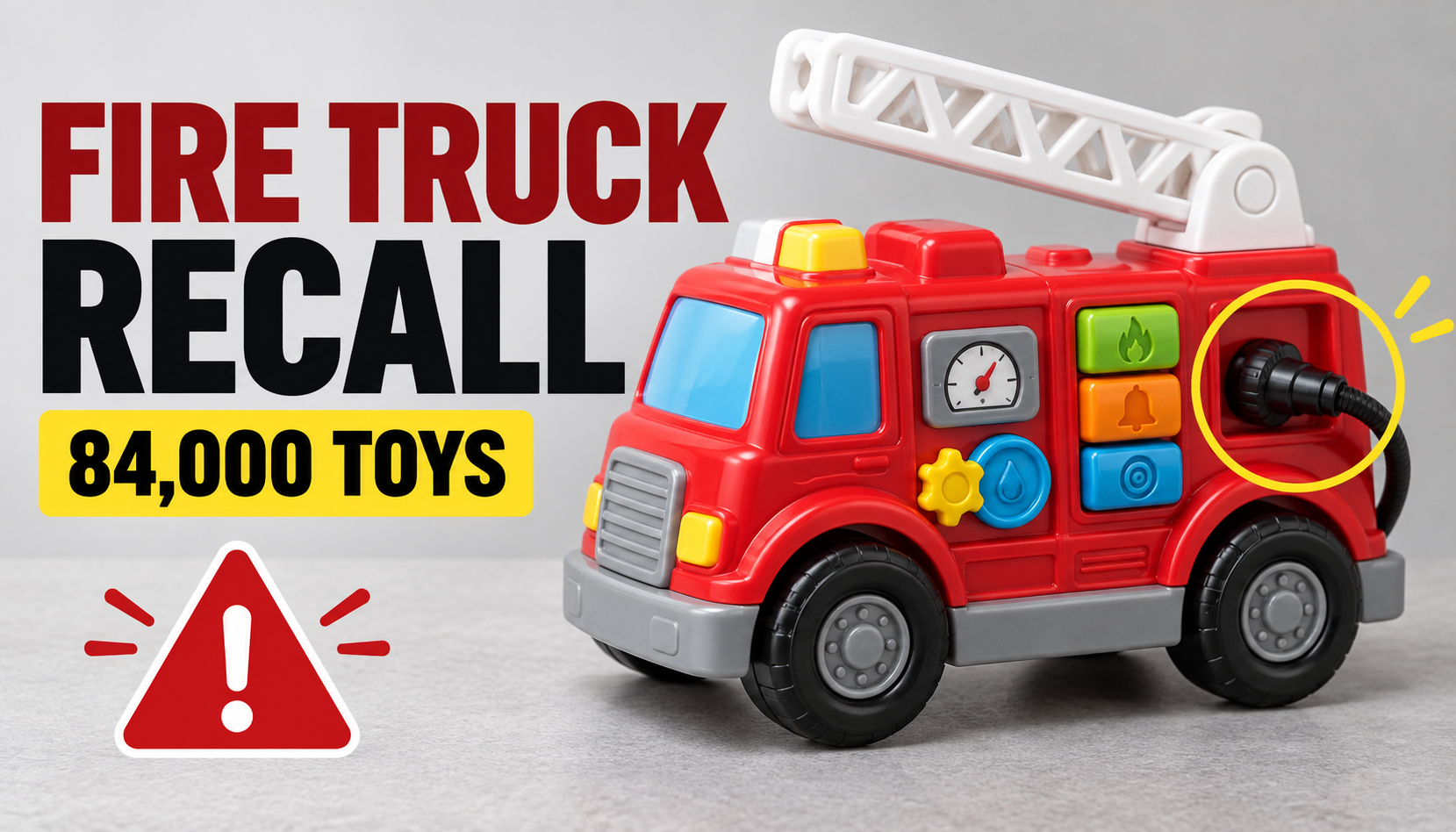
Illustrative red fire truck activity toy with recall warning for 84,000 units

Melissa & Doug has recalled about 84,000 Lights & Sounds Fire Truck Activity Board toys sold exclusively through Target after the detachable fire-hose port created a choking hazard. The U.S. Consumer Product Safety Commission announced the recall on September 17, 2026.

Parents and caregivers should stop children from using an affected toy immediately. The recall covers only specific manufacturing dates and package codes, so the fastest next step is to check the markings on the bottom of the truck or on its original box.

What was recalled

What was recalled

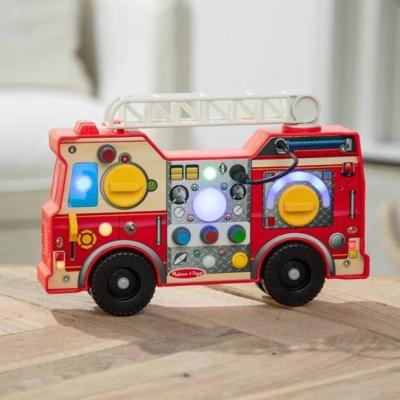
The recalled product is the Melissa & Doug Lights & Sounds Fire Truck Activity Board. It is a red plastic fire engine with four black wheels, a white rotating ladder, activity controls that trigger lights and sounds, and a black plastic connector designed to resemble a fire hose.

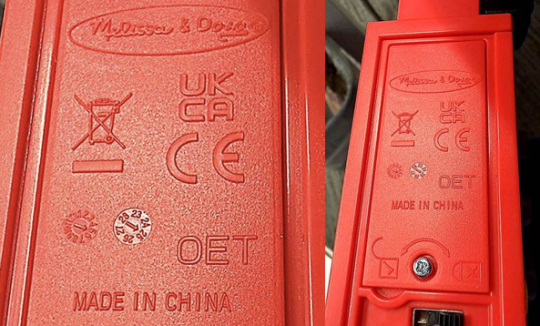
The toy measures about 10.5 inches high, 14.31 inches wide and 3.06 inches deep, and it weighs roughly 1.6 pounds. “Melissa & Doug” is embossed on the battery-compartment box on the underside.

How to identify an affected fire truck

How to identify an affected fire truck

Turn the toy over and inspect the two circular date wheels on the battery-compartment cover. One wheel indicates the manufacturing year and the other indicates the month. A toy is included in this recall when its arrows show one of these combinations:

  • Year 25 and month 4
  • Year 25 and month 5
  • Year 26 and month 3

If you still have the packaging, CPSC lists three affected date codes:

  • OET 25100
  • OET 25150
  • OET 26064

Do not classify every Melissa & Doug fire-truck toy as recalled based only on its color or shape. Match the date wheels or package code to the official list. If the markings are difficult to read, keep the toy away from children while contacting Melissa & Doug for help.

Why the toy is being recalled

The black fire-hose port can loosen and detach from the activity board. A small detached component can become a choking hazard, particularly for young children who may put toy parts in their mouths.

Melissa & Doug received 26 reports of the small port coming loose. CPSC also lists one report of a minor cut. The federal notice does not report a choking injury, but the defect can expose a child to a serious choking risk if the part separates.

What owners should do now

  • Stop using the toy immediately and place it somewhere children cannot reach.
  • Check the two date wheels or the package code against the affected combinations.
  • Register through the official Melissa & Doug recall page before altering or disposing of the toy.
  • Follow the unique instructions supplied after registration, including the required marking, hose removal and photograph.
  • Wait for registration confirmation before disposing of the disabled product in household trash.

CPSC says registered owners will be asked to remove the batteries, write “RECALL” and a unique supplied code on the front, cut the black hose from the toy, and upload a photograph. Follow the current instructions you receive rather than destroying the toy before registering.

Refund and replacement choices

Owners of an affected toy can choose one of three remedies:

  • A free replacement Fire Truck Activity Board
  • A $30 refund issued as a check
  • A $40 credit for use at melissaanddoug.com

The official recall is handled through Melissa & Doug, not described as an ordinary Target return. The company can also be reached at 800-718-5365 from 9 a.m. to 5 p.m. Eastern Time, Monday through Friday.

Where and when the toy was sold

The recalled activity boards were sold exclusively at Target stores nationwide and through Target.com from July 2025 through August 2026 for about $30. The toys were manufactured in China and imported by Melissa & Doug of Wilton, Connecticut.

The official recall number is 26-780. Saving that number can make it easier to confirm the notice if you contact the company or CPSC.

A useful safety check for other toys

This recall is a good reminder to inspect children’s toys periodically for loose knobs, ports, batteries, magnets and other detachable pieces. Stop using a toy if a component has cracked, loosened or no longer fits securely, even if that exact batch is not under recall.

Parents who regularly inspect toys for children under three can compare small-parts choking-hazard testers on Amazon. These tools can help flag loose pieces that fit inside a small-parts cylinder, but they do not replace age labels, supervision or official recall guidance.

Disclosure: ReaderSpice may earn a commission from qualifying Amazon purchases at no extra cost to you.

The bottom line

Check the underside of any Melissa & Doug Lights & Sounds Fire Truck Activity Board before a child uses it again. A year/month combination of 25/4, 25/5 or 26/3—or package code OET 25100, OET 25150 or OET 26064—places the toy within the recall. Stop use, register with Melissa & Doug and choose the replacement, $30 check or $40 store-credit remedy.

Sources

U.S. CPSC Recall 26-780: Melissa & Doug Fire Truck Activity Board

Melissa & Doug fire-truck recall registration

People: Thousands of Melissa & Doug toys recalled over choking risk

Hand Soap Recall in 15 States: Check These Six Products and UPCs

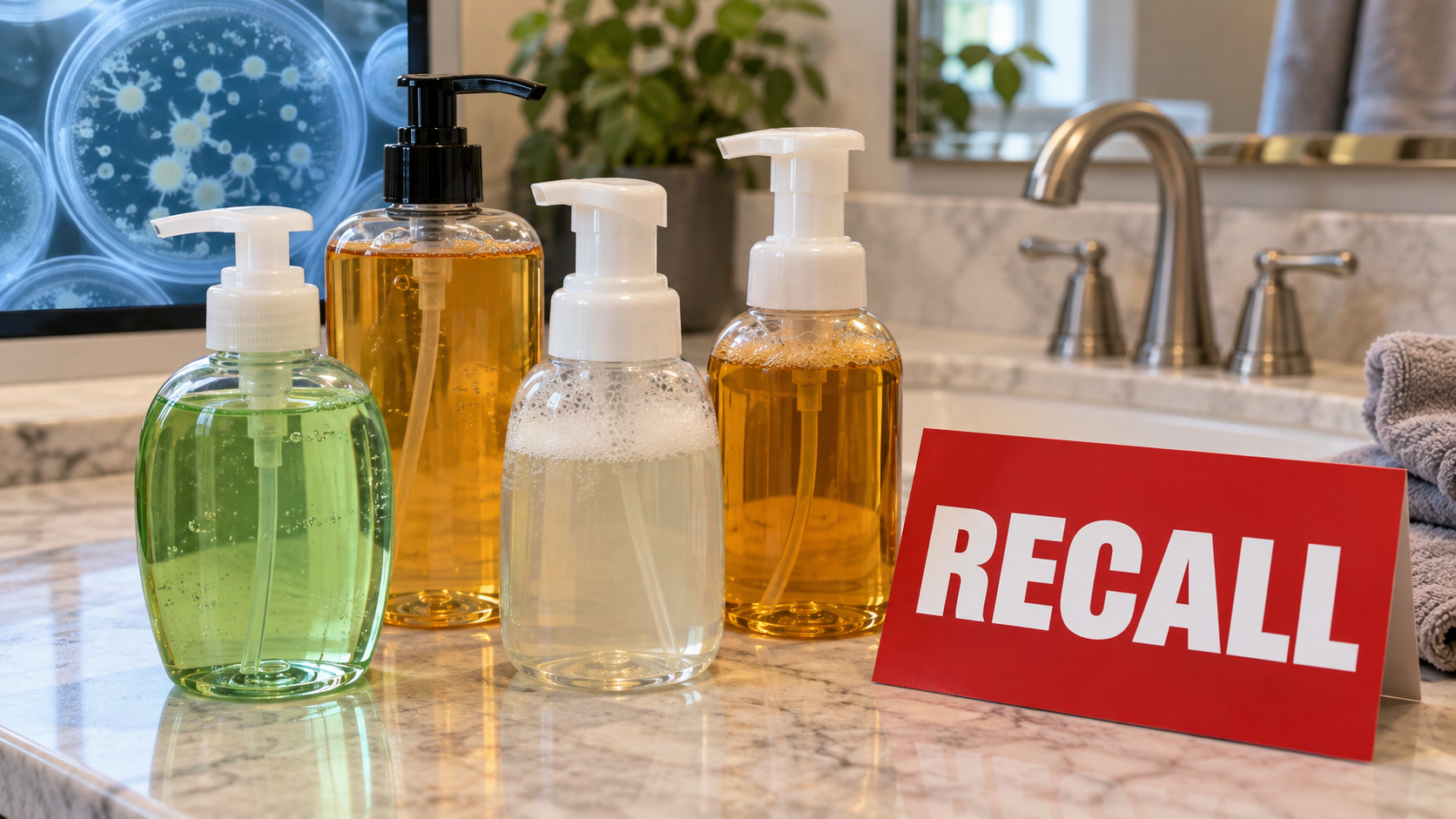
Generic hand soap bottles beside a recall warning and laboratory bacteria image

A federal recall involving nearly 2,700 cases of liquid and foaming hand soap has been classified as a Class II recall after potential bacterial contamination was identified. The products were made by Intercon Chemical Co. and distributed to 20 consignees—19 wholesalers and one retailer—across 15 states.

The recall began on June 29, 2026, and the U.S. Food and Drug Administration classified it as Class II on September 11. That classification means exposure may cause temporary or medically reversible health effects, while the probability of serious harm is considered remote. Consumers should still stop using any bottle that matches the listed product, UPC and code information.

What products are included in the hand soap recall?

Six products appear in FDA Enforcement Report event 99466. Two Laura Lynn soaps were distributed through Ingles Markets, while the other products went through wholesalers. Because wholesale soap may be placed in workplaces, healthcare facilities, restaurants or other shared restrooms, readers should check both household bottles and refill containers used outside the home.

Laura Lynn Honey Apple Crisp Liquid Hand Soap

  • Size: 8 fluid ounces
  • UPC: 086854074305
  • Manufacturing code: FIN46-HB-12X8-0921
  • Lot codes: C3576 and 26-01804
  • Best-by dates: November 5, 2026, and March 2028
  • Affected quantity: 301 cases

Laura Lynn Foaming Pear Scent Hand Soap with Moisturizers

  • Size: 7.5 fluid ounces
  • UPC reported in the FDA-derived listings: 08685407408
  • Manufacturing code: FIN46-HB-12X7-0948
  • Lot code: 26-01001
  • Best-by date: March 13, 2028
  • Affected quantity: 294 cases

Intercon Foaming Pear Hand Soap with Aloe

  • Size: 28.7 fluid ounces
  • UPC: 789745002981
  • Manufacturing code: FICCB-HB-4X28-0948
  • Lot codes: AF97312, 26-01001 and 26-01803
  • Best-by dates: January 12, 2028; March 13, 2028; and March 2028
  • Affected quantity: 693 cases

Clearly Better by Intercon Foaming Pear Hand Soap with Aloe

  • Size: 1,000 milliliters (34 fluid ounces)
  • UPC: 789745002615
  • Manufacturing code: FICCB-HB-4X1L-0948
  • Lot codes: 26-01001 and 26-01803
  • Best-by dates: March 13, 2028, and March 2028
  • Affected quantity: 143 cases

Summit 150 Foaming Hand Soap

  • Size: 28.7 fluid ounces
  • UPC: 810080570030
  • Manufacturing code: FRL01-HB-6X28-0948
  • Lot codes: BF97303, BF97304 and BF97305
  • Best-by dates: February 3, February 4 and February 5, 2028
  • Affected quantity: 1,040 cases

Vestis Foaming Hand Soap, Fresh Pear Scent

  • Size: 33.8 fluid ounces
  • UPC: 810080570405
  • Manufacturing code: FVE60-HB-6X1L-0948
  • Lot code: 26-03091
  • Best-by date: May 2028
  • Affected quantity: 225 cases

Which states received the recalled soap?

The FDA report says the products were distributed in California, Georgia, Illinois, Iowa, Maryland, Mississippi, Nebraska, New York, North Carolina, North Dakota, Pennsylvania, South Carolina, Texas, Washington and Wisconsin. The report does not identify the 19 wholesale outlets, so the state list is not a substitute for checking the actual label and codes.

Why the contamination matters

The two Intercon-branded pear soaps and the Clearly Better product were associated with possible contamination involving several Pseudomonas and Serratia species, including Pseudomonas aeruginosa and Serratia marcescens. The other four products were listed for potential bacterial contamination without the same organism-level detail.

The CDC says Pseudomonas aeruginosa can cause infections in the blood, lungs, urinary tract and other parts of the body, with the highest risk typically seen in healthcare settings and among people with open wounds or medical devices. Cleveland Clinic notes that Serratia marcescens infections are also more likely to affect people with weakened immune systems or those receiving care in hospitals or long-term facilities.

That context does not mean everyone who used the soap will become ill. The FDA’s Class II classification specifically indicates that serious consequences are unlikely. However, contaminated soap can contact cuts, cracked skin, eyes or medical equipment, so matching bottles should be removed from use.

What to do if your soap matches

  • Stop using the soap immediately.
  • Photograph the front label, UPC, lot or manufacturing code and best-by date.
  • Keep the bottle closed and separate it from other soap until the seller or recalling company provides disposal or return instructions.
  • Contact the place of purchase or Intercon Chemical Co. to ask about the available remedy.
  • Clean the dispenser area and wash your hands with an unaffected product.
  • If anyone develops signs of infection or has a weakened immune system, open wound or medical device, contact a healthcare professional for individualized advice.

Do not identify a bottle by scent or color alone. Similar-looking pear and honey soaps outside these exact product and code combinations are not automatically included. The safest check uses the brand, container size, UPC, lot or manufacturing code and best-by date together.

Replacing a recalled soap bottle

A replacement does not have to be a sensor dispenser, but a sealed, easy-to-clean pump can reduce shared contact points. One currently available option is the simplehuman touch-free rechargeable soap dispenser. Use it only with soap that is not part of this recall, and clean the reservoir according to the manufacturer’s instructions.

Disclosure: ReaderSpice may earn a commission from qualifying Amazon purchases at no extra cost to you.

The bottom line

This recall is easy to miss because four of the six products moved through wholesalers rather than a clearly named national retail chain. Check refill jugs and shared-restroom supplies as carefully as bottles at home. If the brand, size and codes match, stop use and contact the seller or manufacturer. Readers should rely on the FDA event record for any later status or remedy update.

Sources

FDA Enforcement Report: Event 99466

Health: Hand Soap Recall in 15 States

People: Nearly 2,700 Cases of Hand Soap Recalled

CDC: About Pseudomonas aeruginosa

Cleveland Clinic: Serratia marcescens