Samsung is bringing its first clip-on, fully open-ear earbuds to the United States at $229, with availability beginning in early November 2026. Galaxy Buds On are designed for listeners who want music, podcasts and calls without sealing the ear canal, so traffic, announcements and nearby conversations remain audible.
That benefit is also the central tradeoff. Galaxy Buds On do not provide the isolation or traditional active noise cancellation of sealed earbuds such as Galaxy Buds4 Pro. Samsung is instead selling comfort, awareness and hands-free Galaxy features. The practical question is whether those advantages justify a premium price before independent reviews have tested fit, sound leakage, call quality and battery life.
The quick take
- U.S. price: $229 in black, with availability beginning in early November 2026.
- Design: 6.65-gram clip-on open-ear earbuds that leave the ear canal uncovered.
- Battery claim: up to 9.5 hours per charge and up to 38 hours with the case.
- Durability: IP54 for the earbuds only; the charging case is not water resistant.
- Compatibility: Android 12 or later with more than 1.5 GB of memory, although some features require a Galaxy device.
- Best fit: runners, commuters and office users who prioritize awareness over isolation.
Galaxy Buds On keep the ear open for awareness

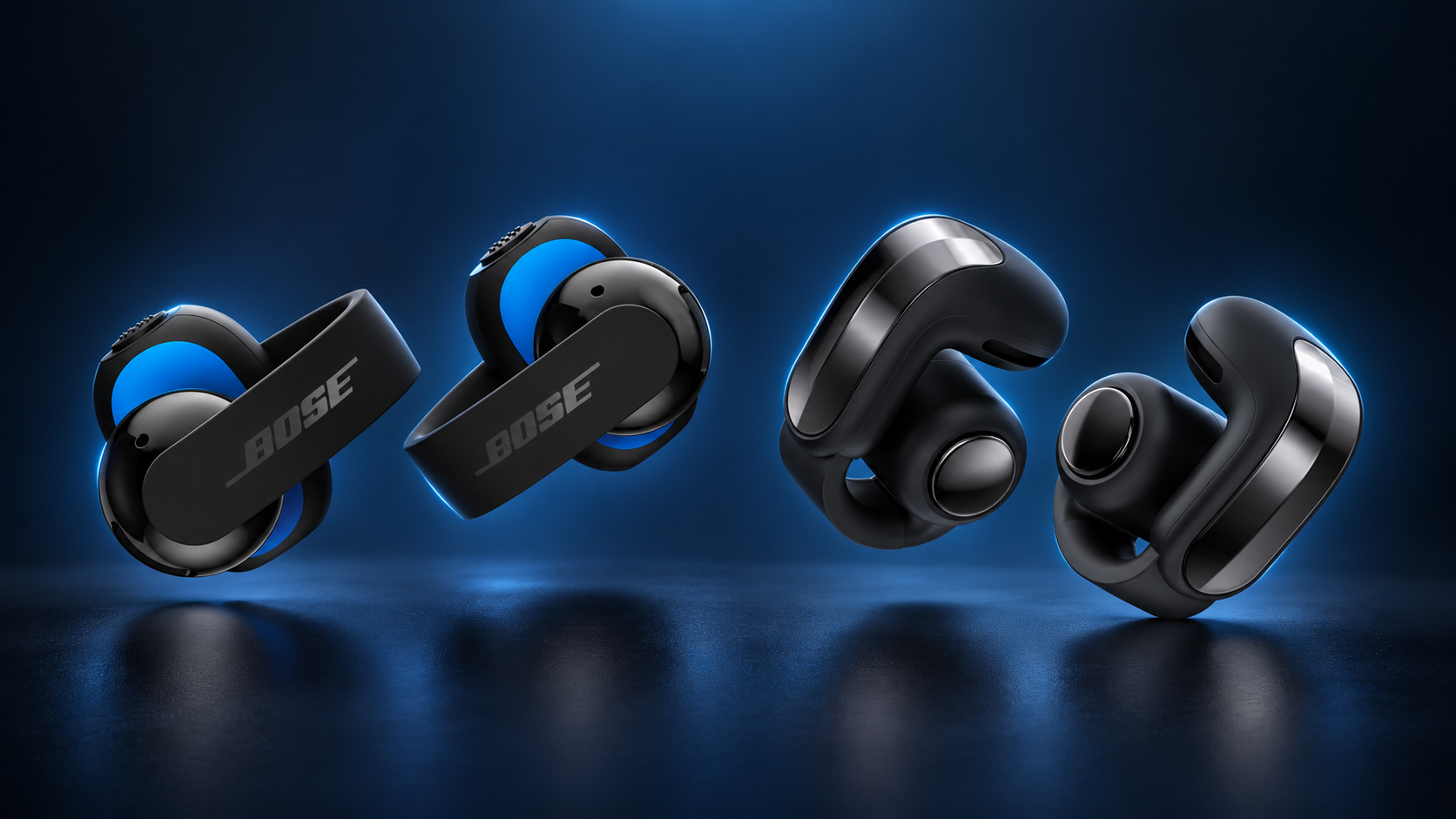
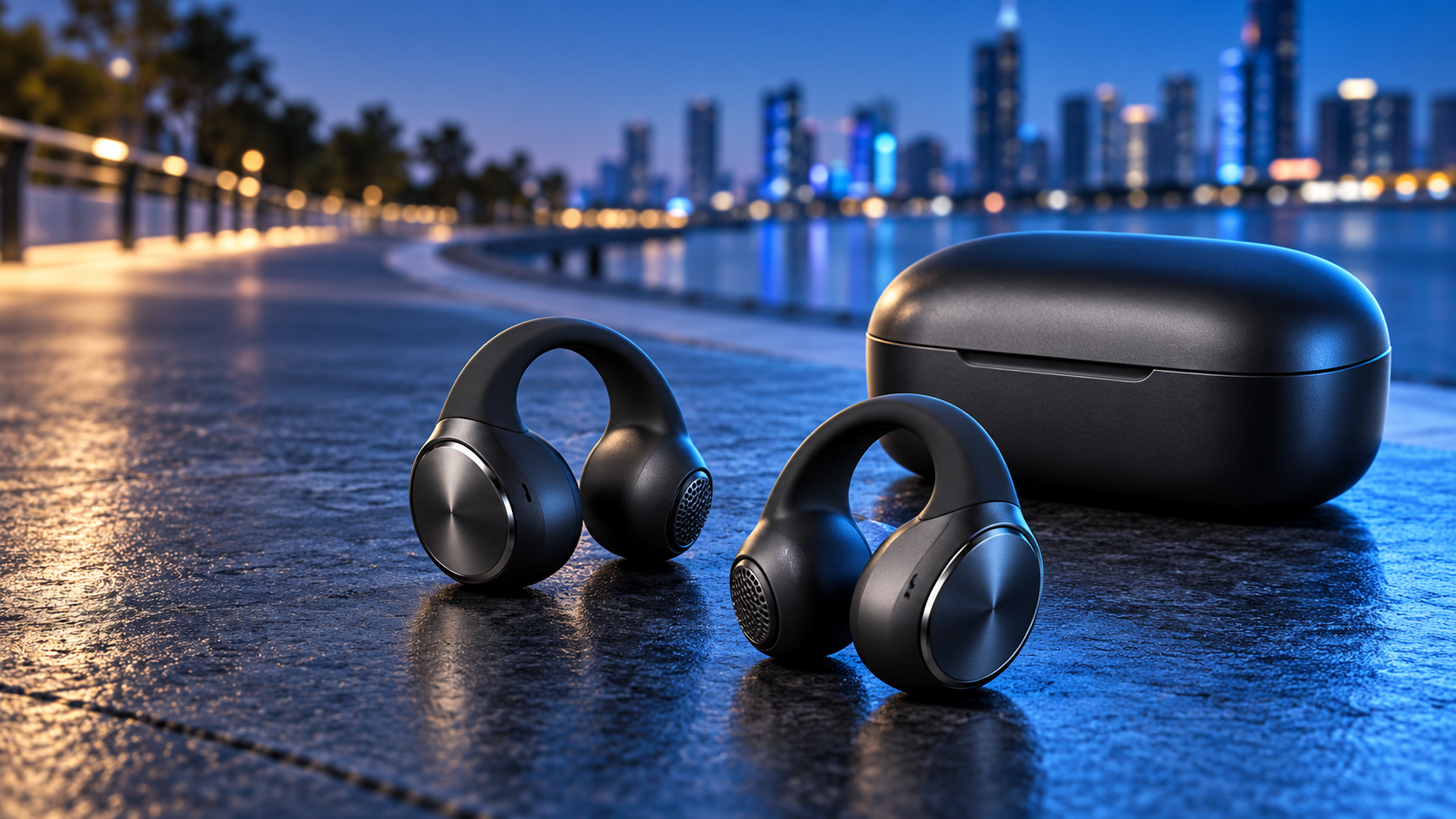
The clip-on bridge holds the speaker near the ear instead of pushing a tip into the ear canal. Samsung says it used more than 119 million ear data points, AI-assisted optimization and physics simulations to spread pressure and improve stability across different ear shapes. Each earbud weighs 6.65 grams.
An open design can be useful for outdoor running, walking, shared offices and travel situations where hearing the environment matters. It is not a substitute for situational judgment, and users should still keep playback at a level that allows them to notice vehicles, warnings and people nearby.
The same openness makes these a weaker match for airplanes, loud trains or anyone who wants to block background noise. Samsung itself positions Galaxy Buds4 Pro for focused listening and noise cancellation, while Galaxy Buds On are intended for awareness and all-day convenience.
Sound and call claims still need independent testing
Samsung equips Galaxy Buds On with an 11.3 mm TwinBoost speaker, three digital microphones and a voice pickup unit in each earbud. The company says automatic volume adjustment reacts to changing ambient noise, while an Audio Leakage Reduction system is intended to reduce how much nearby people can hear.
Those are manufacturer claims, not ReaderSpice test results. Open-ear products often trade sub-bass impact and isolation for comfort and awareness, and performance can change with ear shape, placement and ambient volume. Buyers should wait for independent measurements if bass extension, microphone performance or leakage at a desk is a priority.
The codec list includes Samsung Seamless Codec, SSC UHQ, AAC, SBC and LC3. The highest-quality Samsung options are most relevant inside the Galaxy ecosystem; non-Samsung Android users should not assume every advertised audio or AI feature will be available.
Battery life, charging and water resistance
Samsung rates the earbuds for up to 9.5 hours of music playback and up to 38 hours total with the fully charged case. Claimed talk time is up to 5.5 hours per charge and 25 hours total. These figures come from internal tests with pre-production hardware and default settings, so real results will depend on volume, calls, signal strength and enabled features.
The case supports wireless charging, but Samsung says charging cables and wireless chargers are sold separately. The earbuds carry an IP54 rating for dust and freshwater splashes for up to five minutes. The case is not water resistant, and Samsung specifically advises against beach or pool use.
Galaxy features are the strongest reason to pay the premium
On a compatible Galaxy phone or tablet, opening the case starts pairing without requiring the Galaxy Wearable app, and controls can appear in Quick Panel. Samsung also advertises hands-free Gemini Live access, Quick Voice Memo, Bixby search, voice commands and head gestures for actions such as accepting a call or dismissing an alarm.
Several of those features carry device, account, language or software requirements. Samsung says head gestures require One UI 8.5 or later, while Gemini Live needs a compatible Google account, device, region and internet connection. Some functions are unavailable on non-Samsung devices.
Samsung lists Bluetooth 6.2 and Auto Switch across compatible Galaxy devices. Its product page says Galaxy Connect can extend switching to non-Samsung Windows PCs, but Samsung does not advertise conventional two-device Bluetooth multipoint. SoundGuys also flags the absence of true multipoint, which matters if you regularly move between an Android phone and an iPad or a non-Galaxy computer.
How the $229 price compares
The launch price puts Galaxy Buds On near the top of the open-ear category. SoundGuys notes that they cost more than many established clip-on rivals, while the specification sheet is broadly competitive rather than obviously dominant. The strongest differentiators are the Galaxy integration, hands-free controls and Samsung’s claimed fit work.
For a cross-platform comparison, the Shokz OpenFit 2 on Amazon (ASIN B0DN11MTZ6) uses an ear-hook design, supports Bluetooth multipoint and is rated for up to 11 hours per charge and 48 hours with its case. Prices, seller, warranty and availability can change, so compare the exact listing before buying.
Disclosure: ReaderSpice may earn a commission from qualifying Amazon purchases made through the link above, at no additional cost to you.
Who should buy Galaxy Buds On and who should wait
Consider Galaxy Buds On if you already use a recent Galaxy phone, want to keep your ears open during runs or work, dislike pressure inside the ear canal and value hands-free Samsung features more than conventional multipoint or noise isolation.
Wait for reviews if sound leakage, bass response, microphone quality or long-session comfort will decide the purchase. Skip them if your main listening happens on planes or loud public transit, if you need active noise cancellation, or if your devices span multiple ecosystems and seamless two-device multipoint is essential.
At $229, the feature set makes the most sense as a Galaxy accessory rather than a universal open-ear bargain. Samsung’s 9.5-hour battery claim and light weight are promising, but the price is high enough that fit and independent performance testing should carry more weight than launch-day specifications.
Sources
Samsung U.S. Newsroom – Galaxy Buds On U.S. launch, price and availability
Samsung Mobile Press – official specifications and compatibility notes
Samsung – Galaxy Buds On product page and feature requirements
SoundGuys – launch analysis and open-ear market comparison
Engadget – Galaxy Buds On design and feature overview
Amazon – Shokz OpenFit 2 black (ASIN B0DN11MTZ6)
Inline image alt text: Runner wearing a black open-ear clip-on earbud on a city park path at sunrise