Is Persistent Genital Arousal Disorder (PGAD) Real?

Written By Bishal Aryal

Have you ever heard of this kind of disorder to anyone? May be YES, or may be NO. Do you even know what kind of disorder is this? Have you ever tried to do some research about this disease? Recently, we’ve done some research about Persistent Genital Arousal Disorder, and found many of the interesting things, which we are going to share with you. (Nordqvist) Persistent Genital Arousal Disorder, also known as PGAD or Restless Genital Syndrome or Persistent Genital Arousal Syndrome. This is a condition characterized by unrelenting, spontaneous and uncontainable genital arousal in females. The condition may or may not include arousal with orgasm and/or genital engorgement. The patient’s arousal is not linked to sexual desire.
Continue reading “Is Persistent Genital Arousal Disorder (PGAD) Real?”

Are Bananas Good for Health?

Bananas are the world famous and most consumed fruit in the world. People eat bananas for the good reason. Many people know the facts about the banana. However, some people do not have any idea, what bananas benefited for. Bananas are an essential super-natural fruit with regards to your well being. The bended yellow fruit packs a major healthful punch, wrapped in its own convenient packaging.
Continue reading “Are Bananas Good for Health?”

Eat the Amount of needed Food to Survive

“Food is for to consume, not to throw as a waste. Consume the amount of needed food, which will make you survive.”

Leo Ashok Paudel

Studying high school taught me the world has limited resources. The proper use of resources gaining its optimum utilization is the aim of people living in this selfish world.

The life of 7 years gradually forces me to think on what I studied. God is a great creator who created everything, human and resources that they need to survive. With such a wise creation I wonder with a question revolving around my head why I got to hear the news people died because of hunger, but why? Don’t they have the right to use the resources?

Upon my interest and curiosity I began my study to know why actually people are dying of hunger. I reached to a conclusion that the wastage and over-consumption of food by so called civilized people are the reason behind the death of the people due to hunger.


We started a habit of celebration to be social in the society. We consume lots of food there; we even don’t hesitate to throw away the food after we are enough with it. Daily about half of the cooked resources is being wasted and on the same day huge number of people are dying of hunger.

From the very next day I oath to myself I will be happy to say I cook and consume the food which I need to survive. I am even happier that everyday I clean my plate eating the food I put to it. So I decided if I want to see the change I need to start it from myself and I have started. So I appeal all the people living in this world to start from oneself to say “Everyday I clean my plate eating the food which I need to survive”. I believe that proper utilization of resources is most to ensure the right to eat food of all human beings living in this beautiful world.


Leo Ashok Paudel

Economic Blockade: A Nightmare Life in Nepal

“100th Day of Economic Blockade in Nepal made a Nightmare life to an individual. People of Nepal has so much patience to fight with this types of situation. No fuel, No Cooking Gas, difficult to get a seat in the micro bus.”
The never ending wait…why micro not even coming? I whispered to myself. As I turned around, there were 100 of people waiting for same micro to come. Oh! Wow, even in road I have 100 of competitors and among them will I be able to get into a micro? Nowadays, every morning I go through my horoscope and count that lucky-star, not in a hope that something great will happen today. I am counting it because I am trying out my luck whether I will get a seat today or not?
Continue reading “Economic Blockade: A Nightmare Life in Nepal”

Top 10 Universities in the United States

“Education is the most powerful weapon which you can use to change the world”  – Nelson Mandela
Education is the process of receiving or giving systematic instruction, especially at a school or university. It is also a golden gate for the people who want to learn and do something better in their life. Education will give you better knowledge, skills, values, beliefs. 

It will make you to be in discipline manner and obey elder people and be polite to everyone. No one in this world is perfect; every one has a lack of something. Therefore, listening and gaining knowledge from educated people is the great way of learning in your life. If you know something, share with others, because exchanging information will provide you a wide variety of knowledge.
Sometimes, these things will impact on different types of schools. Universities or college is also one of the reasons to learn good, or better, or best. It all depends on the professor of the school, their methods of teaching and giving the priority to their students who wants to learn something new. In this article, we will show you the top ten universities in the United States. For some people, this really does not matter because the way they learn might be different from others. They think that if they are smart enough to memorize than any universities will be fine. Other hand, some people do want to admit in top or better universities so that they can achieve better grades, reputation, and jobs.
According to the topuniversities.com, 10th university is:
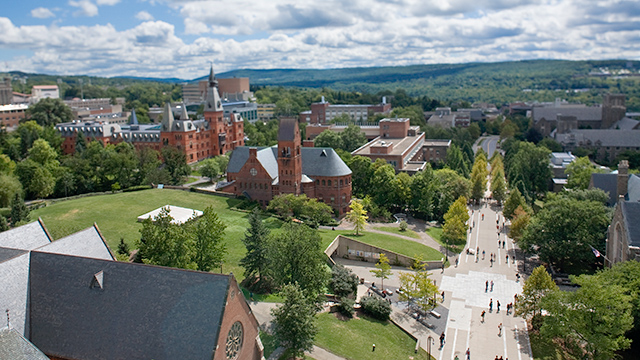
10. Cornell University: Cornell is an American privately League and federal land-grant research university located in Ithaca, New York. This is also a top 15th university in the World.


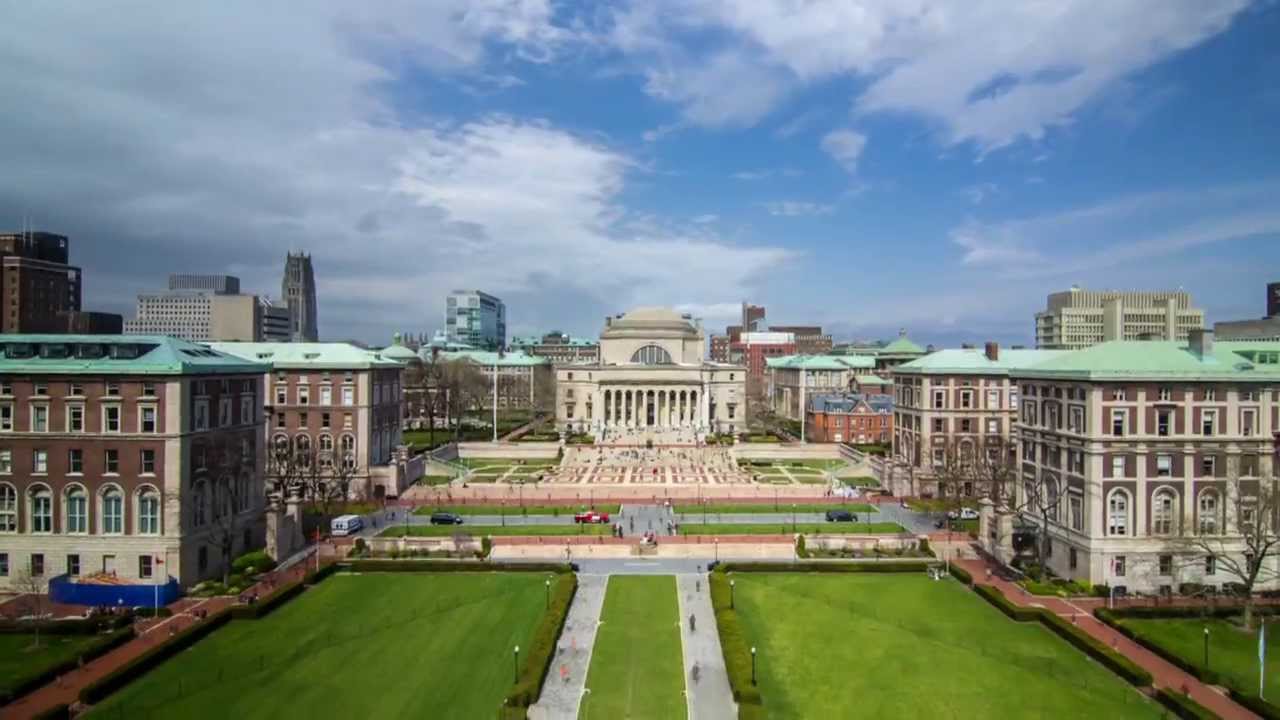
9. Columbia University: Columbia is a privately Ivy League research university in Upper Manhattan, New York City, which was established in 1754. This university is the top 14th in the world.
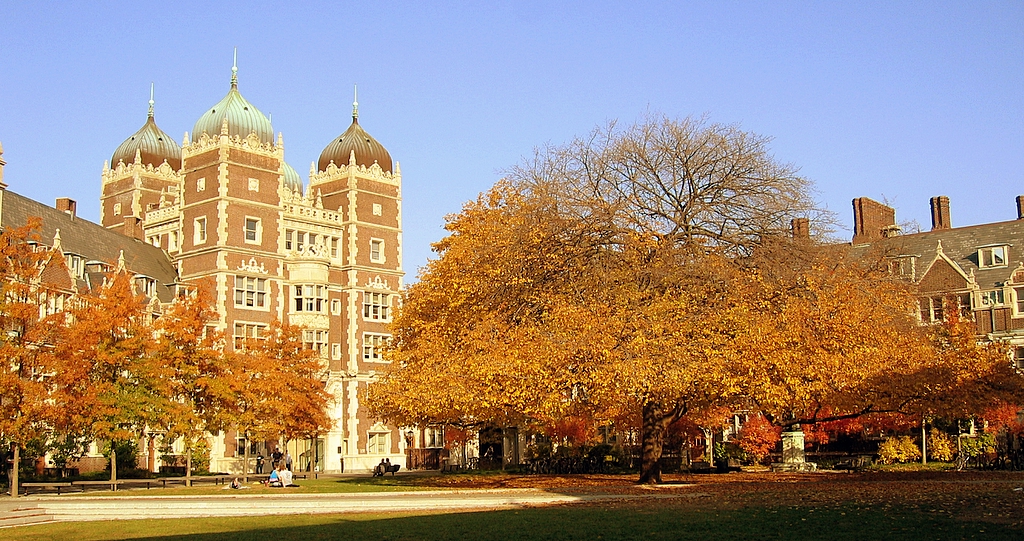
8. University of Pennsylvania: This University is a private Ivy League research university located in Philadelphia, Pennsylvania. This is the top 13th in the world.
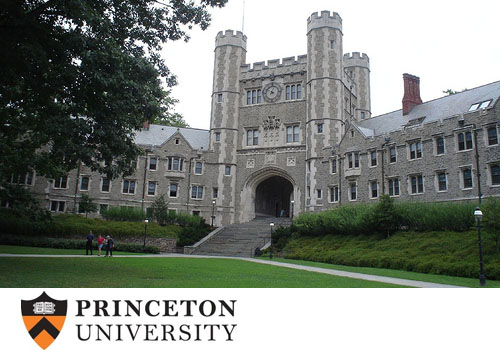
7. Princeton University: Princeton is private Ivy League research university in Princeton, New Jersey. This university is ranked in top 10th in the world.
6. California Institute of Technology: It is a private research university located in Pasadena, California. This university has been ranked top 10th in the world.
5. University of Chicago: This is a private research university in Chicago, Illinois. Established in 1890. This university has been ranked top 9th in the world.
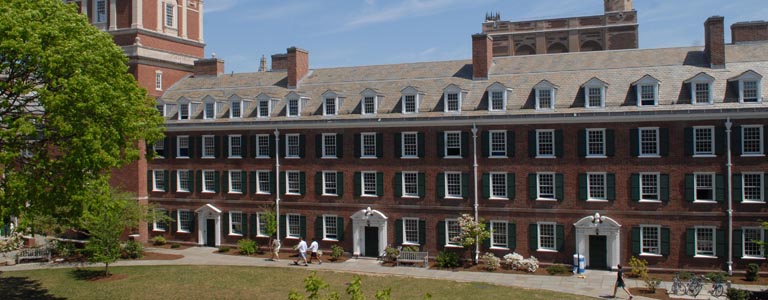
4. Yale University: This is a private Ivy League research university in New Haven, Connecticut, founded in 1701. This university has been ranked top 8th in the world.
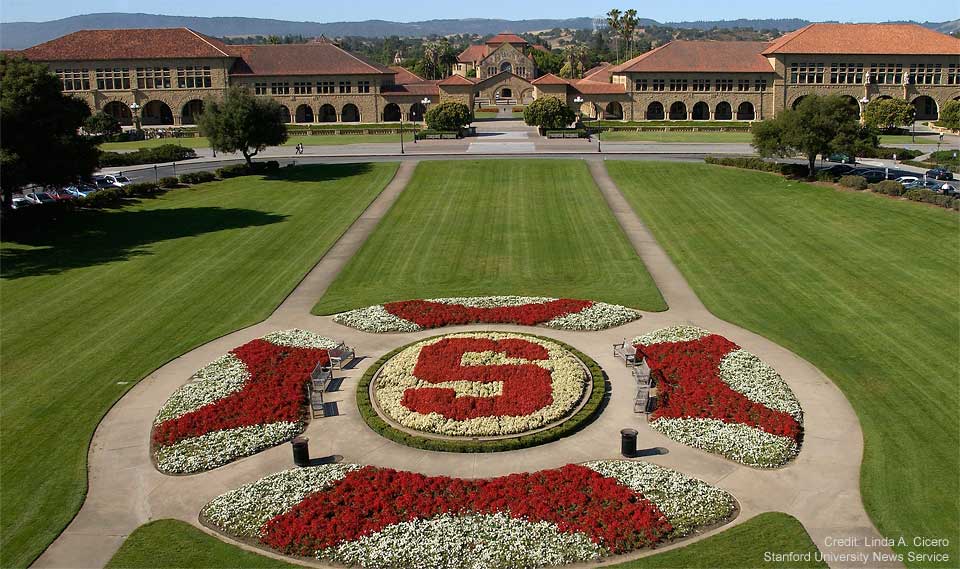
3. Stanford University: This is a private research university in Stanford, California, and one of the world’s leading educational institutions, with the top position in numerous rankings and measures in the United States. This university has been ranked top 7th in the world.
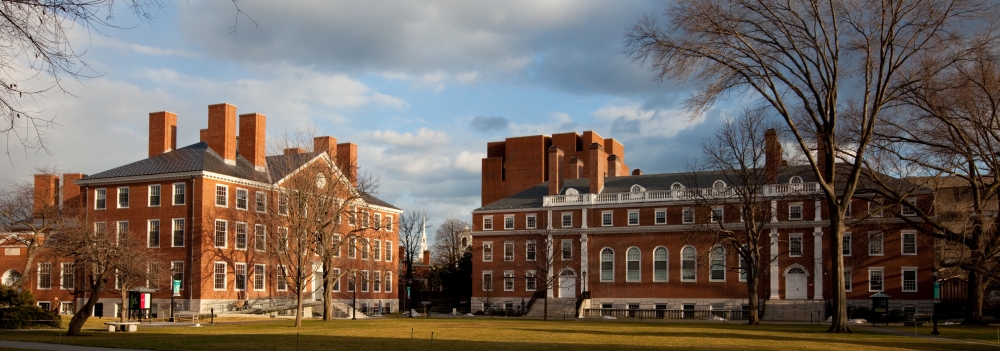
2. Harvard University: This is a private Ivy League research university in Cambridge, Massachusetts, established in 1636. This universities has been ranked 2nd as well in the world.
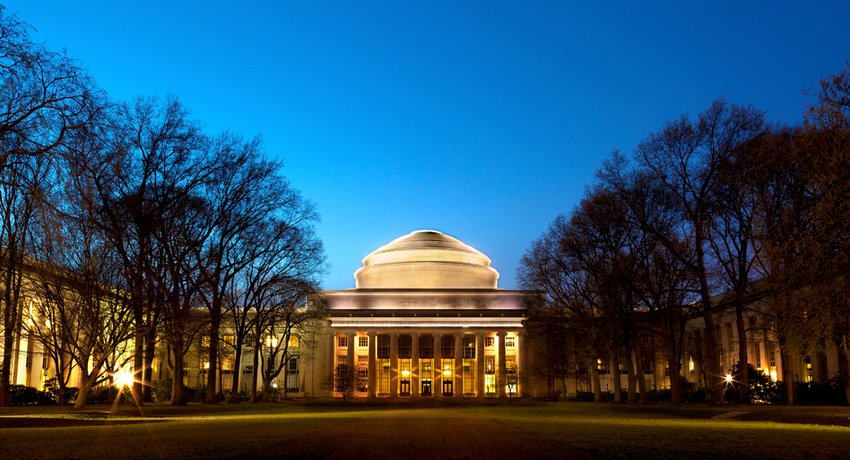
1. MIT (Massachusetts Institute of Technology): This is the worlds and US 1st university, private research university in Cambridge, Massachusetts, founded in 1861.
I think by checking this listing, you will be able to make a decision where you would like to join. These top universities are strict in the GPA and your overall performance. Since, these universities are expensive; they will also check your family income, who is responsible for your tuition. I hope this will help you to make a decision on your own.


You would never Want to Drive on this Dangerous Road in the World

Dangerous Road

Top 10 Most Dangerous Roads and Highways from around the world you should never take your car on. Roads are made to make your travel easier and cheaper. If we would have to fly in the plane or take a train from one location to another, that will probably cost you more money. However, one time spend car can take you anywhere in the road with cheap cost. Roads are meant to be a smoother and easier to drive. However, some country’s road are so dangerous that you will never dare to drive there. Drivers must be very careful to drive on this road.
Continue reading “You would never Want to Drive on this Dangerous Road in the World”

The Dark World

Love, this word now doesn’t exist
Hate, now have overcame Love
Honesty, took another name brutality
By seeing all this I/m feeling anxious

World is seem to be dark
Hater overrated thy feelings
In such case, I’m only searching for
love, in this cruel world.

Now, there is no any path
where the light of love shines again
There is no any way
where I can go in search of optimism.

People killed their desire of peace
Thinking that they will be rich
But, where can they find the calm
War have exodus optimism
I’m feeling rit-et-raf
God I am calling you to pick me up
I don’t want to live in this world
where brutality still exist….

-Shailesh Sapkota

Nike’s CSR Challenge | Case Study

One of the popular known brands Nike, who manufacture sports and clothing, has more than 50,000 workers produces shoes through subcontractors. Most of their factories are located in Asian countries because of large non-employed population and low cost workers.


In 2005 Nike started disclosing their CSR activities after a couple of years of silence due to legal concerns. After several audits Nike reported that a large percentage of their overseas factories have their employees working in terrible environments for low pay and in unsanitary health conditions. This is the first time that a major corporation has revealed such problems to the public so honestly. Nike is now taking a new strategy and approach in an attempt to correct these problems. They are attempting to take responsibility to effect positive systematic changes in working conditions with several branches of their industry.
Nike plans to reshape the way customers, supplies, investors, and regulators see the company. They are changing it from a closed system and making the company more open so that suppliers and customers can relate to Nike. One of Nike’s problems is changing the way its leadership and management style that is “leaders beyond borders” meaning leaders reach out to more than just their professional role and engage people on shared goals. Nike needs to reach out to wider issues of trade flows, governance, and media otherwise all their changes may not make a difference as they optimistically hope.
Case Questions:

  1. Discuss the challenges regarding corporate social responsibility that companies in the apparel industry face in their supply chains around the world.
  • The apparel industry is possibly for the most part at risk to issues of social responsibility. The industry is still somewhat labor intensive and operates in a low wage environment. For example, in developing countries, apparel and sports manufacturers lack trained personal, information on CSR implementation and benefits and insufficient infrastructures for initiating CSR, but 25% to 50% of the factories in the South Asian region restrict access to toilets and drinking water during the working day. The industry has a lot of contract manufacturing in which a foreign firm is contracted to do all the production for the firm owning the brand.

Extra working hours are also required to meet demands, which result in overtime and poor working conditions in developing countries, but the same percentage of factories in Asia denies workers at least one day off in seven. More than 60 hours per week and 25% of workers punished for refusing overtime work. All of this can lead to the problems we can see in this case.

  1. Discuss the meaning and implications of the statement by a Nike representative that “consumers are not rewarding us for investments in improved social performance in supply chains.”

– This statement suggests that those companies who invest their sources on “above-standard compliance” will be outperformed by those companied who are less concerned about compliance. Therefore, companies who concerns about compliance have to either reduce their profit margin or lose in market share if they charge extra for improved social performance. Nevertheless, it is not a good excuse for not doing the right thing. Although competitors may be engaging in unethical practices, and consumers may not care about the working conditions of foreign employees, it is still not a justification situation to engage in socially irresponsible actions. In the case of Nike, the company is not competing with the low end of the market, and one would assume that the premium pricing of the brand could allow for improvements in wages and working conditions. It should be pointed out that consumer perceptions and concerns can change and a firm can find it dealing with a successful PR campaign directed toward its practices. Consumer “rewarding” can change and make such companies vulnerable due to their foreign employment practices.

  1. What does it mean to have an industry open-systems approach to social responsibility? What parties are involved? Who are stakeholders?
  • Open-system approach refers to the organization views its actions in terms of the effect it has on larger social system that’s not only concerning with internal part of companies such as employees, manager, material, equipment and production, and labors, but also all elements, which includes environment-such as competitor, suppliers, distributors and governmental regulator, as well as citizenship and its internal elements. Basically everyone is involved in this case, ranging from government, to company and even customers/buyers. Stakeholders are person with an interest or concern in business. In addition to being socially responsive to internal stakeholders such as domestic employees, the organization also views its impact on suppliers, investors, regulators and communities, regardless of their location.
  1. What is meant by “Leadership beyond borders”?

– Leadership beyond borders means that leadership moves beyond borders or barriers created by others. For example, leaders in the apparel industry would attempt to extend their influence beyond the company borders in order to deal with the CSR issues. Real life example could be Gandhi, who has given hopes, whose life and personality was enhanced in the process. This kind of leader is only little in existence.
Transcendent leadership offers us a metaphor to help Nike move more closely to a world where human talents and energies will be maximized for the betterment of al – personally, organizationally, and globally (Gardiner, 2006).

  1. Is it possible to have “a compatibility of profits with people and planet”? Whose responsibility is it to achieve that state?

– Yes, it is possible to have “a compatibility of profits with people and planet”, but this is an idea of socialism and in some point it does not work. It’s everyone responsibility to care for each other and everything. It is a based of culture on corporation not competition with not just humans, but also everything that lives on the planet including other animals and resources. This is a social ideal ecosystem. Some people work hard toward the needs of others and the planet, while others will exploit. So it must be mixed with areas of competition in order to maintain a balance of cooperation with competition.

  1. Research Nike’s CSR actions since the time frame and why it has earned the reputation as one of the world’s foremost organizations in sustainability.

– When Nike adopted open-system approach, they had believed that the future of the company will be dependent on every element – internal and external. They believe that good society will bring good profitability and thus it would contribute to sustainability, Nike managed to create a green life cycle, were Nike has managed to eliminate waste in production and harmful substances, and ensure that all their products are recyclable and re-usable.
Despite Nike’s efforts to take the lead in the apparel industry to form a Global Alliance to improve labor conditions, not only in its own factories and sub-contractors, but also among its competitors on the footwear and other apparel industries, incidents such as:

  • Collapse in April 2013 of Rana building in Bangladesh, which housed a number of garment units, who were sub contractors to leading MNCs (Multinational corporations) collapsed, killing over a 1,000 people – mostly women and injuring seriously a few hundreds, keep happening.
  • Early this year (2014) in the state of Tamilnadu in India, 7 workers died when they were cleaning a tank in a textile dyeing unit, KPR textiles, Perundurai, Erode district. They were exposed to toxic gases from chemicals used in dyeing.

Nike also took the lead in forming the Fair Labor Association (FLA). The awareness and the initiative taken by Nike has been acknowledged and appreciated by all the stakeholders in the industry, including customers. The operation council of the Global Alliance after detailed audit, has commended Nike for the processes introduced, not only in its own operations and among its subcontractors, but also in the rest of the industry.

References:
Adidas Group. Sustainability History. Retrieved from:
http://www.adidas-group.com/en/sustainability/managing-sustainability/sustainability-history/
International Institute for Sustainable Development (2013). Nike. From:
http://www.iisd.org/business/viewcasestudy.aspx?id=81
Megha, G. (2012). Corporate Social Responsibility in the Global Apparel Industry: An Exploration of Indian Manufacturers’ Perceptions. Recovered from:
http://libres.uncg.edu/ir/uncg/f/Gupta_uncg_0154D_11000.pdf
The Bangladesh Factory Collapse: Why CSR is more important than ever
http://www.theguardian.com/sustainable-business/blog/bangladesh-factory-collapse-csr-important
CM condoles death of 7 workers in textile dyeing unit. From:
http://www.business-standard.com/article/pti-stories/cm-condoles-death-of-7-workers-in-textile-dyeing-unit-114031900421_1.html
Trapped in Textile. Retrieved from:
http://newjurist.com/trapped-in-textile.html

-Bishal Aryal