
Starship Flight 14 Now Targets September 28: Launch Time and Mission Plan

Starship Flight 14 launching from coastal Texas with September 28 orbital test text

SpaceX is now targeting Monday, September 28, 2026, for Starship Flight 14, a mission designed to move the vehicle beyond its previous suborbital tests and into a sustained orbital flight. The nearly 10-hour mission is expected to circle Earth six times, deploy 26 Starlink V3 satellites and end with controlled ocean splashdowns for both stages.

The date has moved from an earlier September 22 target. SpaceX has not publicly identified a specific reason for the change, and the company continues to describe the schedule as a target rather than a guarantee. Vehicle readiness, weather, range coordination and regulatory clearance can all affect a launch attempt.

Starship Flight 14 launch date and time

SpaceX’s official mission page lists liftoff no earlier than September 28 from Starbase in South Texas. The 75-minute launch window is scheduled to open at 7:15 a.m. Central, or 8:15 a.m. Eastern.

That timing is unusually viewer-friendly for the United States, but anyone planning to watch should check the official mission page again shortly before the window opens. Starship test schedules can change with little notice, and a hold during the countdown can push the attempt deeper into the window or to another day.

How to watch Starship Flight 14

SpaceX is expected to provide live coverage through its official channels. The safest place to start is the Starship Flight 14 mission page, which should carry the latest countdown status and viewing link when coverage becomes available.

A livestream typically begins shortly before liftoff. Because the planned mission lasts close to 10 hours, SpaceX may provide updates during the coast phase before the Ship returns for its Pacific splashdown.

The mission plan at a glance

  • Launch from Starbase, Texas, during a 75-minute window opening at 7:15 a.m. CT.
  • Fly Starship on its first planned sustained orbital trajectory after 13 suborbital integrated flight tests.
  • Complete six orbits at an altitude of roughly 275 kilometers, or 171 miles.
  • Deploy 26 Starlink V3 satellites during the mission.
  • Send Super Heavy to a controlled splashdown in the Gulf of Mexico rather than attempting a launch-tower catch.
  • Return the Ship to a controlled Pacific Ocean splashdown west of Chile after nearly 10 hours.

Why reaching orbit changes the test

The first 13 integrated Starship flights followed suborbital trajectories. Flight 14 is planned to keep the Ship in orbit long enough to complete six laps around Earth, making thermal control, navigation, communications and long-duration vehicle operations more important than on the earlier tests.

The longer profile also gives SpaceX more time to collect data on how Starship behaves in space. Reentry remains one of the program’s hardest challenges: the stainless-steel Ship must survive extreme heating while maintaining enough control to reach its designated splashdown zone.

Three of the Starlink satellites are expected to carry cameras aimed at the Ship’s heat shield, according to Space.com. Those views could give engineers another perspective on tile performance and any damage accumulated during launch, the orbital coast and reentry.

Flight 14 will carry 26 Starlink V3 satellites

SpaceX says Flight 14 will deploy 26 Starlink V3 satellites. The mission therefore combines a major Starship test with a practical payload demonstration, although it remains an experimental flight and the satellite deployment is part of the test plan.

Starlink V3 spacecraft are intended to add network capacity and support faster service. Carrying 26 at once would demonstrate why SpaceX sees Starship’s large payload volume and mass capacity as central to the next phase of the Starlink constellation.

The company’s Starship overview lists the full stack at 124 meters, or 407 feet, tall, with more than 100 metric tons of payload capacity to low Earth orbit in its reusable configuration. Super Heavy uses 33 Raptor engines, while the Ship has six.

What happens to Super Heavy and the Ship

Flight 14 is not scheduled to attempt a tower catch. After stage separation, Super Heavy is expected to perform its return sequence and make a controlled splashdown in the Gulf of Mexico. Skipping a catch keeps the focus on the new orbital mission profile while still testing booster guidance and landing-burn performance.

The Ship is expected to remain in orbit for nearly 10 hours before reentering and aiming for a controlled splashdown in the Pacific Ocean west of Chile. The plan does not include recovery of either stage; both ocean landings are test objectives.

What could delay the launch

September 28 remains a target. SpaceX still needs the vehicle, launch site and range to be ready, and regulatory requirements must be satisfied before liftoff. South Texas weather and upper-level winds can also affect the countdown.

Readers should treat the posted opening time as the beginning of a window, not a fixed appointment. If the flight slips, SpaceX’s mission page will be the most authoritative source for a replacement date and time.

A current Starlink option for travelers and remote work

Flight 14’s V3 payload is not the same hardware sold to consumers. Readers exploring currently available satellite-internet equipment can compare current Starlink Mini kits and accessories on Amazon. The compact Mini is intended for portable connectivity, while the V3 satellites aboard Flight 14 are part of the space-based network infrastructure.

As an Amazon Associate, ReaderSpice earns from qualifying purchases.

Why Flight 14 matters

A successful sustained orbital mission would be a meaningful step between Starship’s suborbital test campaign and the repeatable orbital operations SpaceX ultimately needs. The key milestones are not limited to liftoff: orbital endurance, satellite deployment, heat-shield performance, controlled reentry and accurate splashdowns all matter.

Even if every objective is not completed, Flight 14 should produce data that shapes the next vehicle and mission. For viewers, the practical takeaway is simple: the current target is September 28 at 7:15 a.m. CT, but check SpaceX’s official page before setting an alarm.

Sources

SpaceX: Starship Flight 14 mission page

SpaceX: Starship vehicle overview

Space.com: Flight 14 delay and orbital mission report

San Antonio Express-News: Flight 14 mission and satellite deployment details
Melissa & Doug Fire Truck Recall: Check Date Codes and Get a Refund

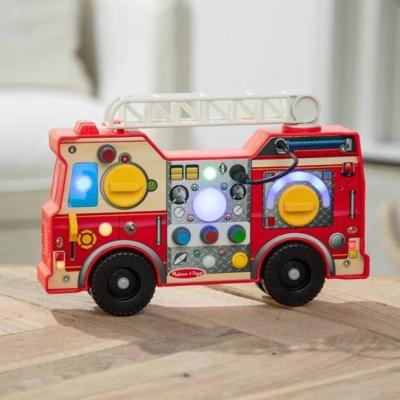
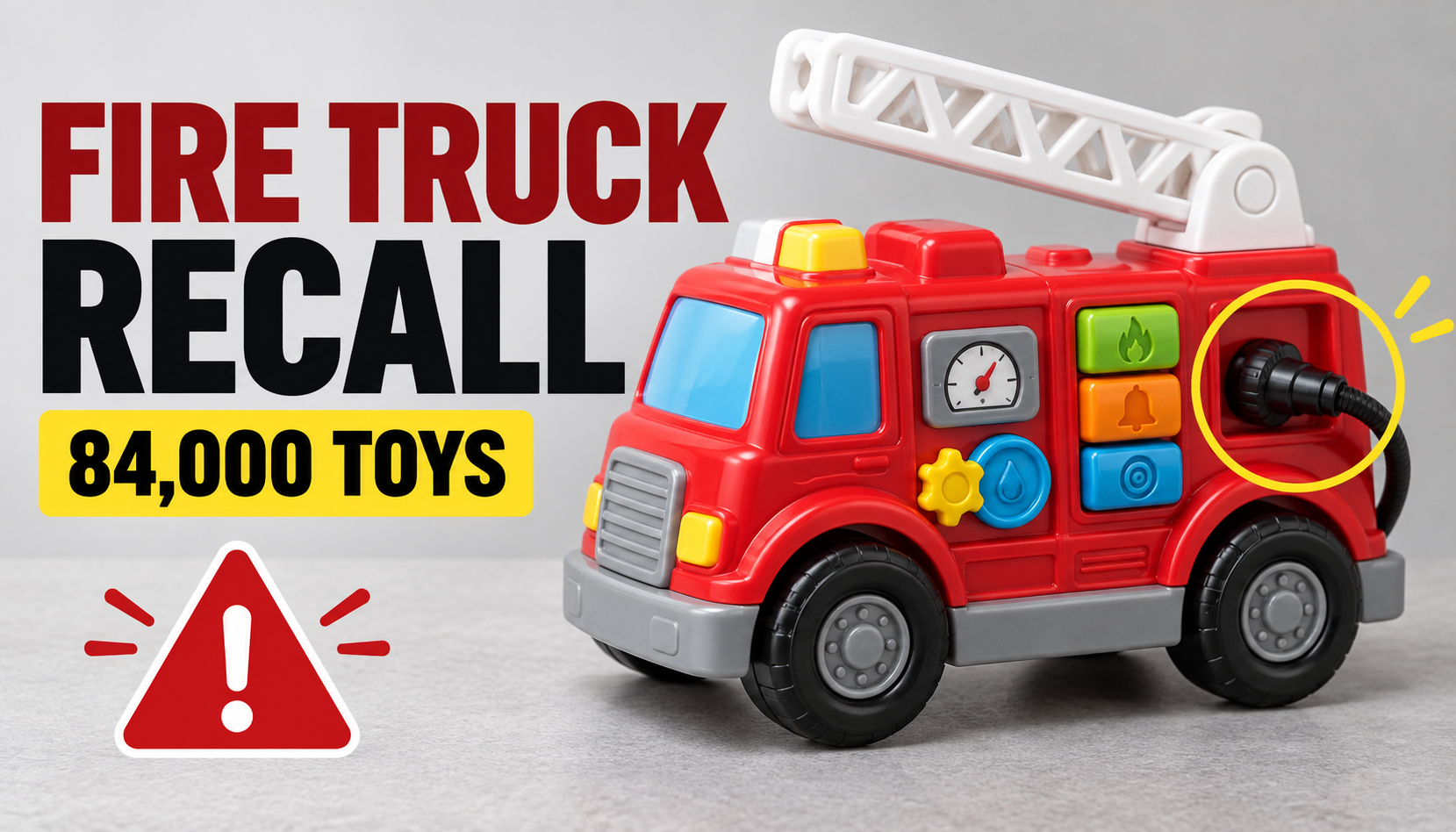
Illustrative red fire truck activity toy with recall warning for 84,000 units

Melissa & Doug has recalled about 84,000 Lights & Sounds Fire Truck Activity Board toys sold exclusively through Target after the detachable fire-hose port created a choking hazard. The U.S. Consumer Product Safety Commission announced the recall on September 17, 2026.

Parents and caregivers should stop children from using an affected toy immediately. The recall covers only specific manufacturing dates and package codes, so the fastest next step is to check the markings on the bottom of the truck or on its original box.

What was recalled

What was recalled

The recalled product is the Melissa & Doug Lights & Sounds Fire Truck Activity Board. It is a red plastic fire engine with four black wheels, a white rotating ladder, activity controls that trigger lights and sounds, and a black plastic connector designed to resemble a fire hose.

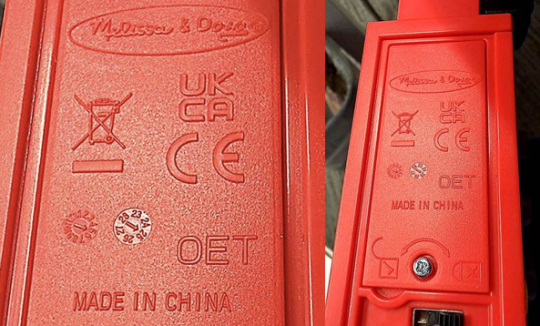
The toy measures about 10.5 inches high, 14.31 inches wide and 3.06 inches deep, and it weighs roughly 1.6 pounds. “Melissa & Doug” is embossed on the battery-compartment box on the underside.

How to identify an affected fire truck

How to identify an affected fire truck

Turn the toy over and inspect the two circular date wheels on the battery-compartment cover. One wheel indicates the manufacturing year and the other indicates the month. A toy is included in this recall when its arrows show one of these combinations:

  • Year 25 and month 4
  • Year 25 and month 5
  • Year 26 and month 3

If you still have the packaging, CPSC lists three affected date codes:

  • OET 25100
  • OET 25150
  • OET 26064

Do not classify every Melissa & Doug fire-truck toy as recalled based only on its color or shape. Match the date wheels or package code to the official list. If the markings are difficult to read, keep the toy away from children while contacting Melissa & Doug for help.

Why the toy is being recalled

The black fire-hose port can loosen and detach from the activity board. A small detached component can become a choking hazard, particularly for young children who may put toy parts in their mouths.

Melissa & Doug received 26 reports of the small port coming loose. CPSC also lists one report of a minor cut. The federal notice does not report a choking injury, but the defect can expose a child to a serious choking risk if the part separates.

What owners should do now

  • Stop using the toy immediately and place it somewhere children cannot reach.
  • Check the two date wheels or the package code against the affected combinations.
  • Register through the official Melissa & Doug recall page before altering or disposing of the toy.
  • Follow the unique instructions supplied after registration, including the required marking, hose removal and photograph.
  • Wait for registration confirmation before disposing of the disabled product in household trash.

CPSC says registered owners will be asked to remove the batteries, write “RECALL” and a unique supplied code on the front, cut the black hose from the toy, and upload a photograph. Follow the current instructions you receive rather than destroying the toy before registering.

Refund and replacement choices

Owners of an affected toy can choose one of three remedies:

  • A free replacement Fire Truck Activity Board
  • A $30 refund issued as a check
  • A $40 credit for use at melissaanddoug.com

The official recall is handled through Melissa & Doug, not described as an ordinary Target return. The company can also be reached at 800-718-5365 from 9 a.m. to 5 p.m. Eastern Time, Monday through Friday.

Where and when the toy was sold

The recalled activity boards were sold exclusively at Target stores nationwide and through Target.com from July 2025 through August 2026 for about $30. The toys were manufactured in China and imported by Melissa & Doug of Wilton, Connecticut.

The official recall number is 26-780. Saving that number can make it easier to confirm the notice if you contact the company or CPSC.

A useful safety check for other toys

This recall is a good reminder to inspect children’s toys periodically for loose knobs, ports, batteries, magnets and other detachable pieces. Stop using a toy if a component has cracked, loosened or no longer fits securely, even if that exact batch is not under recall.

Parents who regularly inspect toys for children under three can compare small-parts choking-hazard testers on Amazon. These tools can help flag loose pieces that fit inside a small-parts cylinder, but they do not replace age labels, supervision or official recall guidance.

Disclosure: ReaderSpice may earn a commission from qualifying Amazon purchases at no extra cost to you.

The bottom line

Check the underside of any Melissa & Doug Lights & Sounds Fire Truck Activity Board before a child uses it again. A year/month combination of 25/4, 25/5 or 26/3—or package code OET 25100, OET 25150 or OET 26064—places the toy within the recall. Stop use, register with Melissa & Doug and choose the replacement, $30 check or $40 store-credit remedy.

Sources

U.S. CPSC Recall 26-780: Melissa & Doug Fire Truck Activity Board

Melissa & Doug fire-truck recall registration

People: Thousands of Melissa & Doug toys recalled over choking risk

One UI 9 Is Rolling Out, but Our U.S. Unlocked Galaxy S26 Ultra Is Still on One UI 8.5

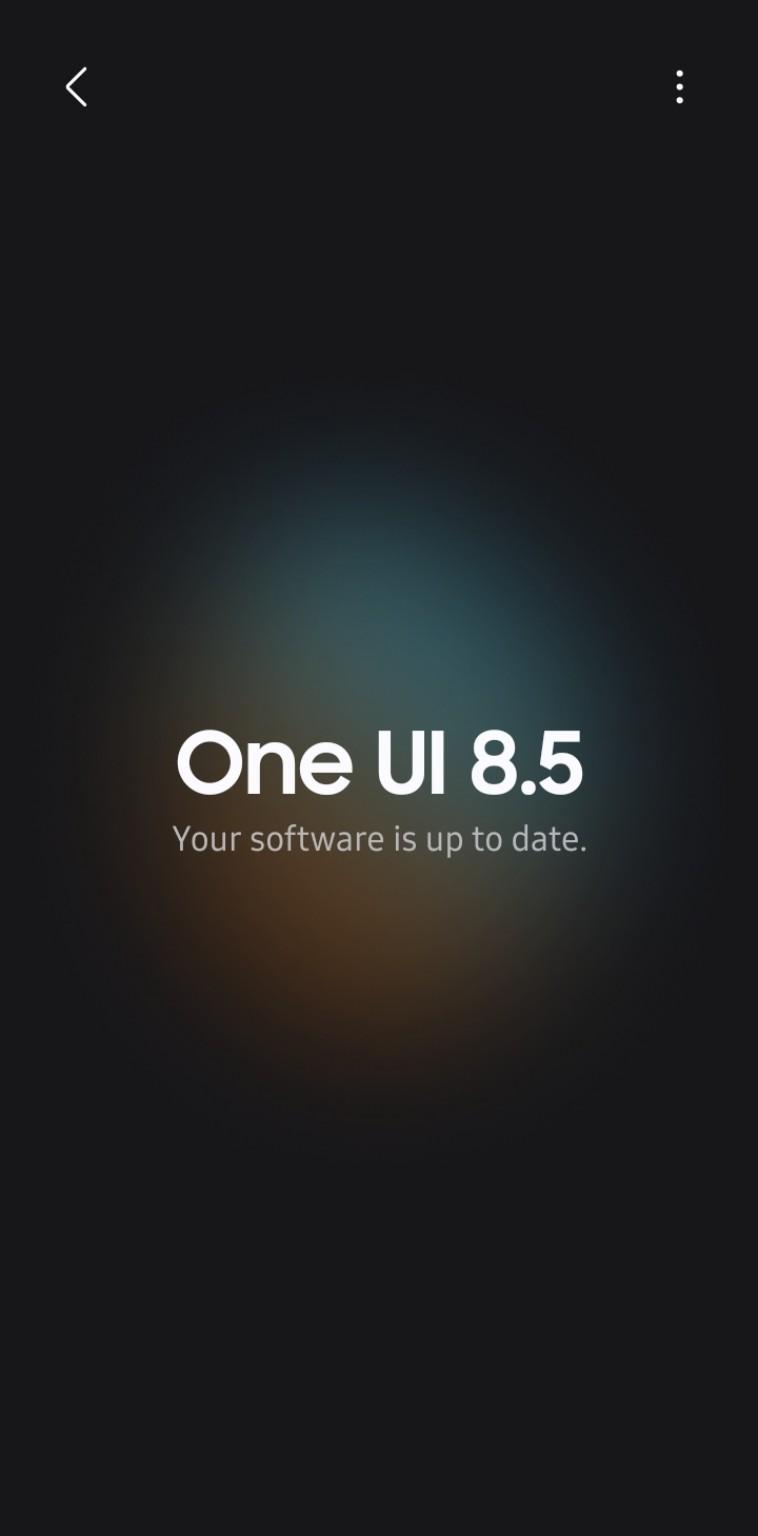
U.S. unlocked Samsung Galaxy S26 Ultra Software update screen showing One UI 8.5 and software up to date on September 21, 2026

Samsung officially announced the One UI 9 rollout for the Galaxy S26 series on September 16, but the update is not appearing on every device at the same time. ReaderSpice checked a U.S. unlocked Galaxy S26 Ultra on September 21, and Samsung’s Software update screen still showed One UI 8.5 with the message “Your software is up to date.”

That makes the U.S. unlocked model an interesting real-world example of how Samsung’s staged rollout can differ from the headline launch date. The stable update exists, but it had not yet reached this particular U.S. unlocked S26 Ultra when we checked it.

Our U.S. Unlocked Galaxy S26 Ultra Is Still Waiting

At approximately 4:40 PM Central Time on September 21, 2026, we manually checked Settings > Software update > Download and install on a U.S. unlocked Galaxy S26 Ultra. The phone remained on One UI 8.5 and reported that its software was current.

Our U.S. Unlocked Galaxy S26 Ultra Is Still Waiting

ReaderSpice screenshot: U.S. unlocked Galaxy S26 Ultra still showing One UI 8.5 as up to date on September 21, 2026.

The screenshot above is from the device itself, rather than a carrier schedule or third-party rollout tracker. It does not prove that every U.S. unlocked S26 Ultra is still waiting, but it does confirm that the September 16 rollout announcement did not mean every eligible U.S. handset would receive the OTA immediately.

What Samsung Has Officially Said About the Rollout

Samsung Electronics America said on September 16 that One UI 9 was beginning to roll out to the Galaxy S26 Ultra, Galaxy S26+, and Galaxy S26. Samsung’s own availability note also says service availability can vary by region or country, OS and One UI version, device model, and phone carrier.

That distinction matters: “rollout begins” is not the same as a guaranteed same-day release for every regional variant and every unlocked device. Samsung distributes major firmware in stages, so two Galaxy S26 Ultra owners can see different update availability even when both devices are eligible.

Android Authority reported on September 16 that Canadian Galaxy S26 owners were expected to begin receiving One UI 9 on September 21, while a firm U.S. release date had not been confirmed at that time. That helps explain why a U.S. unlocked S26 Ultra can still legitimately show One UI 8.5 as current on September 21.

Why “Your Software Is Up to Date” Can Still Be Correct

Samsung’s OTA updater checks whether a newer approved firmware package is currently available for that specific device configuration. If One UI 9 has not yet been assigned to that handset’s rollout channel, the phone can correctly report that One UI 8.5 is up to date even though One UI 9 is already available in other markets or on other variants.

In other words, the message is describing what is available to that phone at that moment. It is not saying that One UI 9 does not exist or that the Galaxy S26 Ultra is ineligible for it.

What One UI 9 Brings to the Galaxy S26 Series

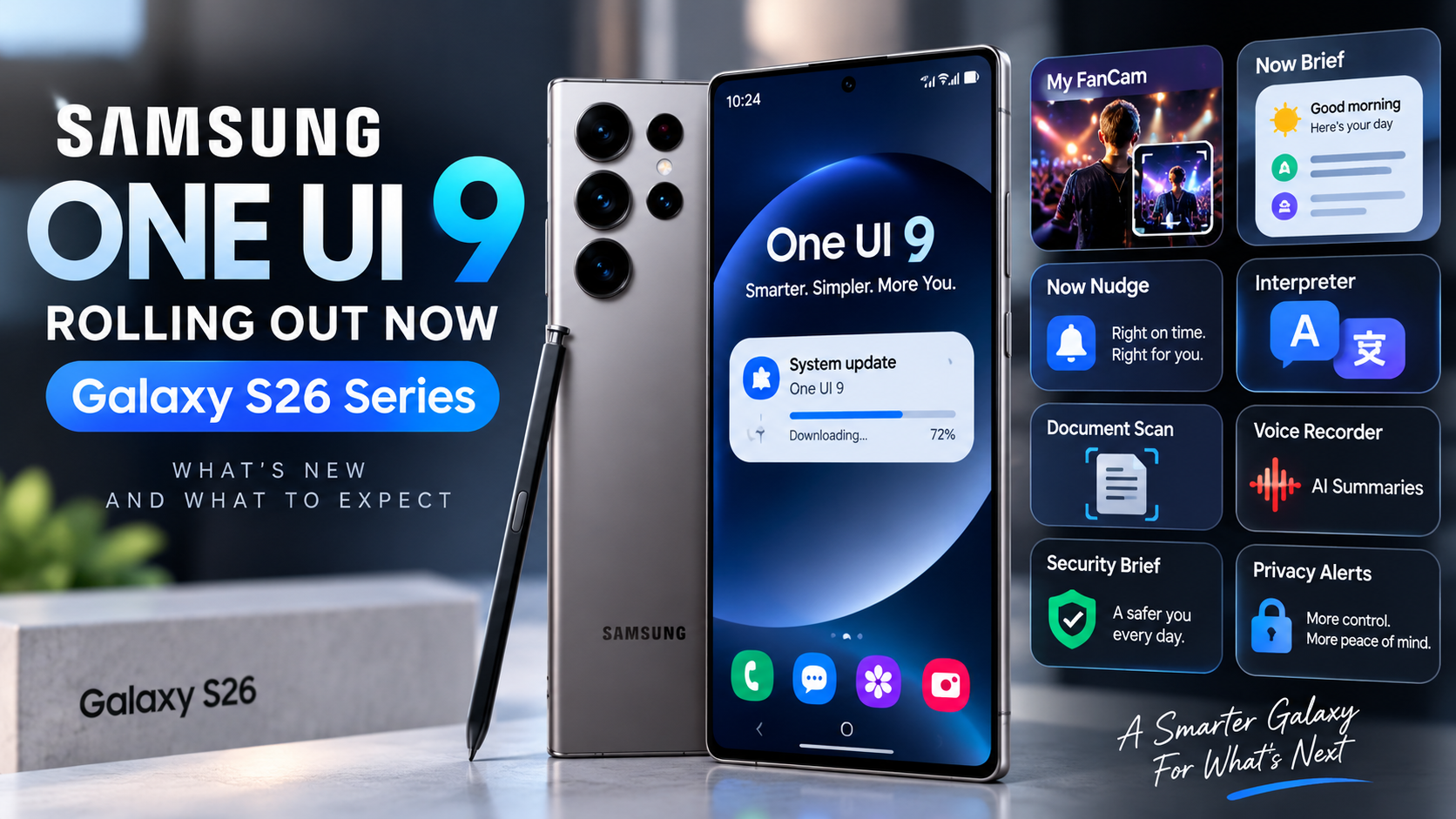
Samsung’s stable One UI 9 release expands several Galaxy AI and device-management features. My FanCam can track a selected person in recorded video and automatically reframe the footage. Now Brief gains more customizable and generative cards, while Now Nudge adds contextual suggestions designed to surface useful actions at the right time.

Samsung is also integrating warranty and device-care information more directly into Settings, adding Privacy Alerts on supported devices, and expanding scam-detection features in supported markets. As with the rollout itself, some functions depend on device, language, region, app support, and account requirements.

What U.S. Unlocked Galaxy S26 Owners Should Do

If your unlocked Galaxy S26, S26+, or S26 Ultra is still on One UI 8.5, the simplest approach is to keep checking Settings > Software update > Download and install periodically. There is no need to factory-reset the phone simply because the OTA has not appeared yet.

Before installing a major update, back up important photos and files, keep the phone charged, and make sure you have enough free storage. Users who are not comfortable manually flashing firmware are generally better off waiting for Samsung’s official OTA for their exact model and region.

ReaderSpice Will Keep Checking the U.S. Unlocked Rollout

Because we have a U.S. unlocked Galaxy S26 Ultra in hand, ReaderSpice can follow this rollout directly instead of relying only on release calendars. We will check the device again as Samsung expands One UI 9 availability and document the build number, download size, and first impressions once the stable update reaches it.

This also gives us a useful baseline: as of September 21 at roughly 4:40 PM CT, our unlocked U.S. Galaxy S26 Ultra was still on One UI 8.5 and Samsung’s updater said the software was up to date.

The Bottom Line

Samsung has officially started the One UI 9 rollout for the Galaxy S26 series, but the update is clearly not instantaneous across every eligible device. Our U.S. unlocked Galaxy S26 Ultra remained on One UI 8.5 five days after Samsung’s announcement, and the phone itself still reported no newer software available.

That does not necessarily indicate a problem with the phone. It is consistent with Samsung’s own language about regional, model, and carrier-dependent availability, as well as reporting that the U.S. did not yet have a firm public rollout date when the global expansion began.

Looking for the Galaxy S26 Ultra? Check the current price on Amazon (affiliate link).

Sources

Samsung U.S. Newsroom — Samsung Begins Official Rollout of One UI 9, Bringing the Latest Galaxy Experiences to More Devices

Android Authority — Galaxy S26 users in North America won’t have to wait much longer for One UI 9

Inline image: ReaderSpice screenshot of a U.S. unlocked Galaxy S26 Ultra showing One UI 8.5 and “Your software is up to date” on September 21, 2026.

Audient Horizon 8P, 16 and 32: Price, Specs and September 28 Release

Illustrative Audient Horizon 8P, 16 and 32 rackmount audio interfaces in a recording studio

Audient is moving into higher-end commercial studio territory with Horizon, a three-model family of rackmount Thunderbolt 3 audio interfaces built around the same 32-bit conversion platform. The lineup includes the microphone-focused Horizon 8P and two line-level converters—the Horizon 16 and Horizon 32—designed for studios that already own preamps, consoles or outboard processors.

All three models are scheduled to become available on September 28, 2026. U.S. pricing starts at $2,799, placing Horizon well above Audient’s desktop iD and EVO products and squarely in the professional studio category.

What Audient announced

Horizon is not a single interface in three cosmetic variations. Audient has divided the range by workflow: recording through microphones, integrating a rack of analog equipment, or connecting a large-format console to a DAW. The shared conversion, driver and control system means buyers choose by channel layout rather than accepting lower performance on the less expensive model.

Audient says the platform has been in development for five years. MusicRadar independently reported that the range uses the same core architecture across all three models and confirmed the launch pricing and September 28 availability.

Shared specifications across the Horizon range

  • 32-bit, 192kHz AD/DA conversion
  • Up to 133dB of dynamic range
  • Claimed 0.99ms round-trip latency at 192kHz with a 64-sample buffer
  • Thunderbolt 3 connection with forward compatibility for Thunderbolt 4 and 5
  • Dual ADAT I/O and BNC word-clock connectivity
  • Unified macOS driver supporting as many as four Horizon units
  • Maximum 200-input/200-output configuration with four Horizon 32 interfaces
  • Digital recall for input gain and system settings
  • Horizon Control software with routing, cue mixes and monitoring profiles

Audient currently describes the Horizon interfaces as macOS-only. Windows users should not assume compatibility unless the company announces a supported driver.

Audient Horizon 8P: built for tracking

The Horizon 8P is the model for studios that regularly record singers, instruments, podcasts or full sessions through microphones. It provides 24 inputs and 32 outputs, including eight Audient Console mic preamps with 75dB of gain.

Its ORBIT Control changes input impedance among three settings—2.8k ohms, 1.2k ohms and 220 ohms—so engineers can alter how supported microphones interact with the analog preamp before conversion. The front panel also includes two JFET instrument inputs and two headphone outputs, while DB25 and ADAT connections support hybrid expansion.

The 8P is the only Horizon model with built-in microphone preamps. That distinction matters: buyers of the Horizon 16 or 32 will need external preamps for microphones.

Audient Horizon 16: the hybrid-studio hub

The Horizon 16 is aimed at studios that already have favored mic preamps, compressors, equalizers and other analog equipment. It offers 16 channels of line I/O over DB25 connections and is listed as a 34-input/34-output interface when its digital and monitoring connections are counted.

A dedicated stereo mix-bus input lets engineers capture an analog mix without consuming the primary line channels. That makes the 16 the most balanced option for a project studio moving from mostly in-the-box production toward a permanently connected outboard setup.

Audient Horizon 32: for consoles and large racks

The Horizon 32 doubles the line-level capacity with 32 channels over eight DB25 connectors and a total 50-input/50-output specification. It is designed to bridge a console or large outboard rack to a DAW from one rack unit.

This model makes the most sense in commercial rooms that need many simultaneous analog paths. A creator recording one or two microphones at a desk would pay for capacity they are unlikely to use—and would still need microphone preamps.

Why there is no onboard DSP

Unlike interfaces built around proprietary DSP plug-in ecosystems, Horizon relies on the connected Mac for plug-in processing. Audient’s argument is that modern Apple silicon can now deliver low enough latency to monitor through native VST, AU and AAX plug-ins without requiring a separate processing platform.

The benefit is plug-in freedom and no requirement to buy into a closed DSP catalog. The tradeoff is equally important: performance depends on the computer, session load, sample rate and buffer settings. Audient’s 0.99ms figure is a best-case measurement at 192kHz and a 64-sample buffer, not a promise that every real-world project will run at that latency.

Horizon Control and studio scalability

Audient rebuilt its control software for Horizon. The app includes a full routing matrix, four recallable cue mixes and monitoring profiles for speaker systems up to 9.1.6. Input gains and system settings can be recalled digitally, which should make returning to complex sessions faster.

Up to four units can be daisy-chained under one macOS driver. The headline 200×200 capacity comes from connecting four Horizon 32 interfaces, so smaller combinations will provide fewer channels. Studios should also budget for suitable Thunderbolt connectivity, DB25 snakes, external preamps and any ADAT expansion needed for the final configuration.

Price and availability

  • Horizon 8P: $2,799 / £2,199 / €2,499
  • Horizon 16: $2,799 / £2,199 / €2,499
  • Horizon 32: $3,499 / £2,799 / €3,299
  • Availability: September 28, 2026
  • Warranty: three years

Pricing comes from Audient’s launch information as reported by MusicRadar. Retail pricing and stock can vary by country and dealer after launch.

Which Horizon model should you choose?

  • Choose Horizon 8P if you need eight built-in mic preamps for recording vocals, instruments, drums or live sessions.
  • Choose Horizon 16 if you already own external preamps and outboard gear and want a permanently patched hybrid studio.
  • Choose Horizon 32 if you need to connect a console or large analog rack with 32 line-level channels in one unit.
  • Skip Horizon for a smaller desktop interface if you only record one or two sources and do not need DB25, large cue systems or commercial-studio scalability.

A more affordable Audient option

Horizon is overkill for most home creators. Readers who want Audient preamps and a compact USB workflow can compare currently available Audient iD14 MKII audio interfaces on Amazon. It is not a Horizon substitute for large studios, but it is a more realistic entry point for voiceovers, music production and two-channel creator setups.

Disclosure: ReaderSpice may earn a commission from qualifying Amazon purchases at no extra cost to you.

The bottom line

Audient Horizon is a focused professional launch rather than a general-purpose creator upgrade. The 8P handles microphone tracking, the 16 integrates a serious outboard rack, and the 32 bridges consoles and large analog systems. Their shared conversion and driver platform simplifies the choice, but macOS-only support, external-cabling costs and the absence of onboard DSP deserve as much attention as the impressive latency and dynamic-range figures.

Sources

Audient: Horizon range overview

Audient: Horizon 8P specifications

Audient: Horizon 16 specifications

Audient: Horizon 32 specifications

MusicRadar: Audient Horizon launch, pricing and availability

Insta360 Luna Ultra Ultimate Zoom Update Adds 15x Zoom, Stage Mode and 4K Vertical Video

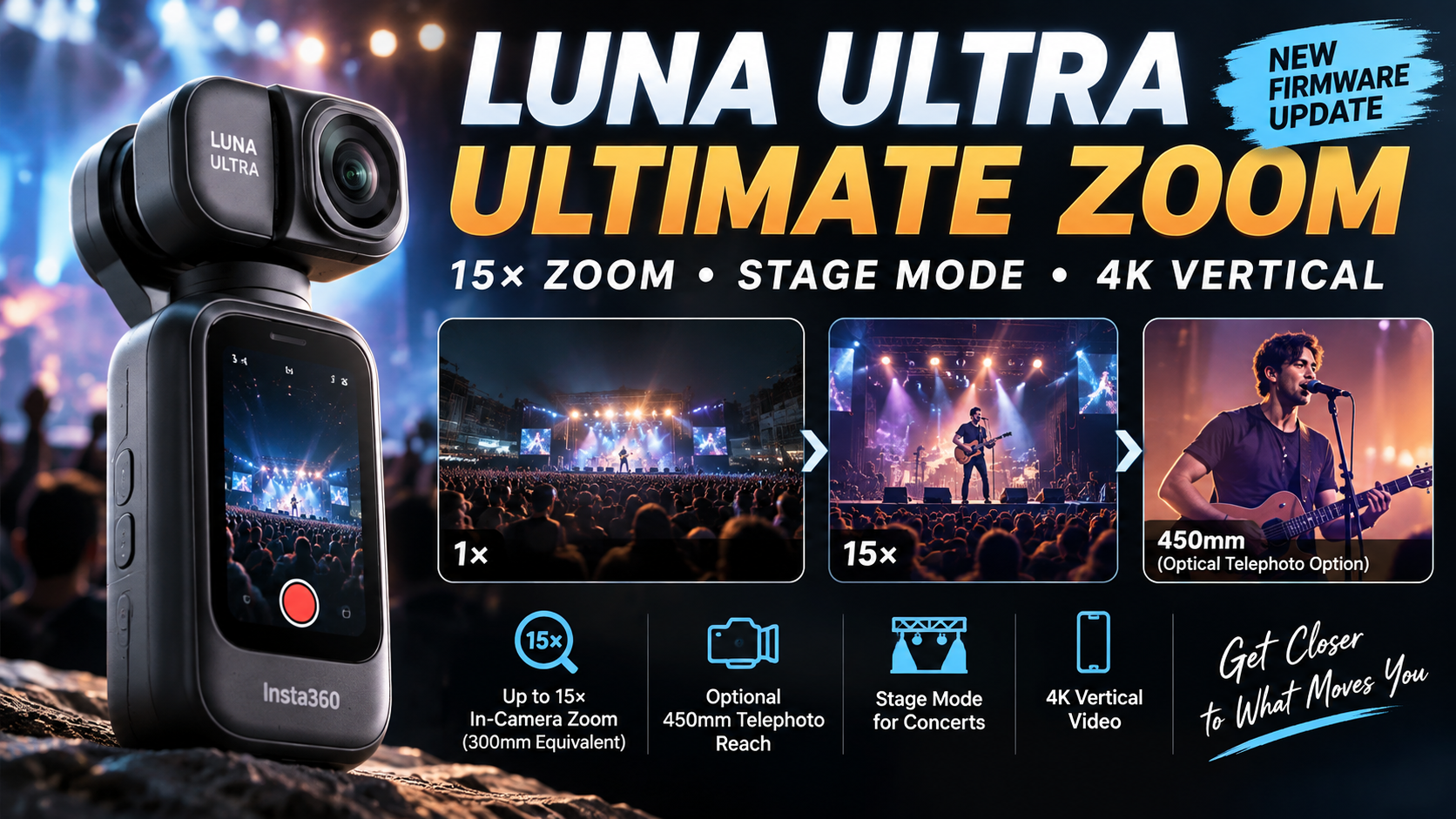
Insta360 Luna Ultra Ultimate Zoom update showing 15x zoom, Stage Mode, 4K vertical video and optional 450mm telephoto reach

Insta360 has released its “Ultimate Zoom” update for the Luna Ultra, and it is a much bigger upgrade than a simple zoom tweak. The free firmware update raises the camera’s maximum in-camera zoom from 12x to 15x, adds a dedicated Stage Mode for concerts and live performances, brings 4K30 vertical video to Luna Ultra, and introduces several new creative shooting features.

Insta360 is also launching a new magnetic Ultra Telephoto Lens that extends the Luna Ultra’s reach to a 450mm-equivalent focal length. For existing Luna Ultra owners, however, the headline 15x zoom and Stage Mode arrive through the firmware update without requiring the new lens.

Inline Image 1Luna Ultra Zoom Jumps From 12x to 15x

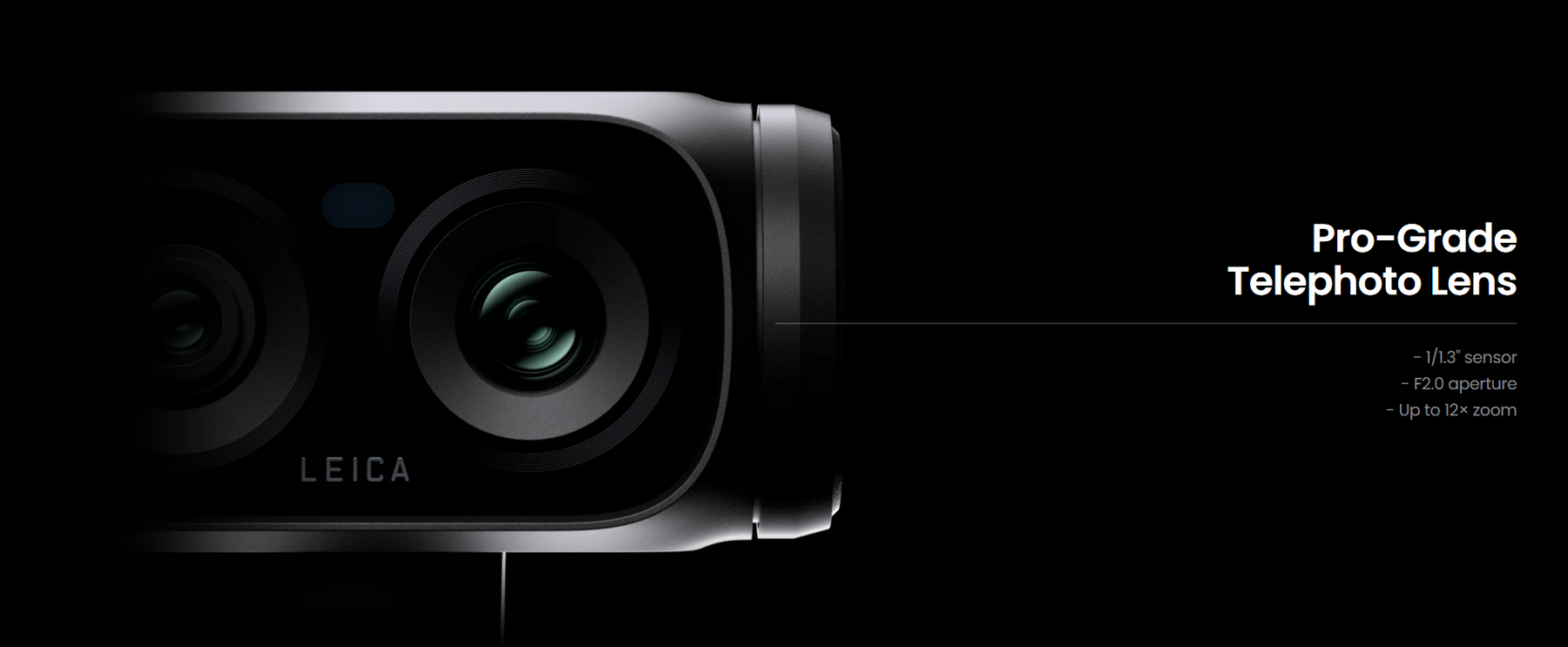
The biggest change is the expanded in-camera zoom. Luna Ultra previously topped out at 12x, while the new firmware increases that limit to 15x, which Insta360 describes as a 300mm-equivalent field of view.

Insta360 says its dual professional imaging chips work with AI Remosaic processing to reconstruct details that can be lost during digital cropping. The goal is to keep distant people, text, buildings and landscapes clearer at high magnification.

The new 15x setting is available in Video, PureVideo, Stage Mode and Photo. Insta360 recommends 4K30fps when users want the best telephoto shooting experience.

A New Ultra Telephoto Lens Reaches 450mm Equivalent

The software update is only part of the Ultimate Zoom announcement. Insta360 has introduced an optional Ultra Telephoto Lens that magnetically attaches to Luna Ultra and extends the optical range by 1.5x.

With the accessory attached, the shooting range extends from 90mm to 450mm equivalent. The main camera is covered while the Ultra Telephoto Lens is being used, so this is an accessory specifically designed around the Luna Ultra’s telephoto camera rather than an add-on for the wide main lens.

That could make the camera considerably more useful for concerts, wildlife, travel details, architecture and other situations where creators cannot physically move closer to the subject.

A New Ultra Telephoto Lens Reaches 450mm EquivalentStage Mode Is Designed Specifically for Concerts
The new Stage Mode may be just as important as the extra zoom. Insta360 says it was developed for long-distance shooting at concerts, music festivals, theaters and other live events where lighting, moving performers and foreground obstructions can make normal tracking difficult.

Stage Mode uses dedicated image processing to maintain focus and exposure around performers. Face-specific filtering and adjusted focusing sensitivity are designed to reduce interference from objects such as glow sticks, while exposure processing suppresses harsh highlights and attempts to preserve dynamic range under stage lighting.

Insta360 also says the tracking model has been trained on concert footage to improve recognition, tracking and reacquisition of performers at high zoom levels and in low light.

Stage Audio and Ambient Audio Give Creators More Control

The update also introduces audio options intended for live events. Stage Audio emphasizes sound coming from the stage, while Ambient Audio retains more of the surrounding venue atmosphere.

This gives creators a choice between concentrating on the performance itself or preserving more of the feeling of being inside the crowd.

Luna Ultra Now Gets 4K Vertical Video

Another major addition is native 4K30fps vertical video. Luna Ultra can now use its rotating screen to switch into portrait-oriented recording, producing footage designed for TikTok, Instagram Reels and YouTube Shorts without requiring a horizontal-to-vertical crop in editing.

Insta360 says the feature uses 6K oversampling and supports zoom up to 6x. The company currently recommends staying at up to 3x for the best experience because image quality from the telephoto camera between 3x and 6x is still being optimized.

Zoom Live and Live Frame Get New Creative Options

The firmware adds Zoom Live, a shooting style that creates a smooth zoom-in effect during Live Frame capture. Insta360 is positioning it for portrait and lifestyle shots where creators want to add motion and emphasis without manually performing a complicated zoom.

Live Frame photos can also combine Beauty Mode effects with cinematic filters, providing more options for creating stylized images directly in-camera.

How to Get the Luna Ultra Ultimate Zoom Update

The new firmware is available free to Luna Ultra owners through the Insta360 app. Connect Luna Ultra to the app and follow the firmware-update prompt when it appears.

Insta360’s support documentation recommends having at least 20 percent battery remaining before updating and warns users not to power off the camera or remove the detachable touchscreen remote during installation.

What About the New Luna Ultra Zoom Bundle?

Insta360 is also introducing a Luna Ultra Zoom Bundle for $889.99 in the United States. It includes everything in the Standard Bundle along with a Carry Bag and the new Ultra Telephoto Lens.

Existing Luna Ultra owners do not need to buy the Zoom Bundle to receive the 15x in-camera zoom, Stage Mode or the other firmware features. The additional hardware is specifically for users who want the longer 450mm-equivalent reach.

Why This Is a Meaningful Luna Ultra Upgrade

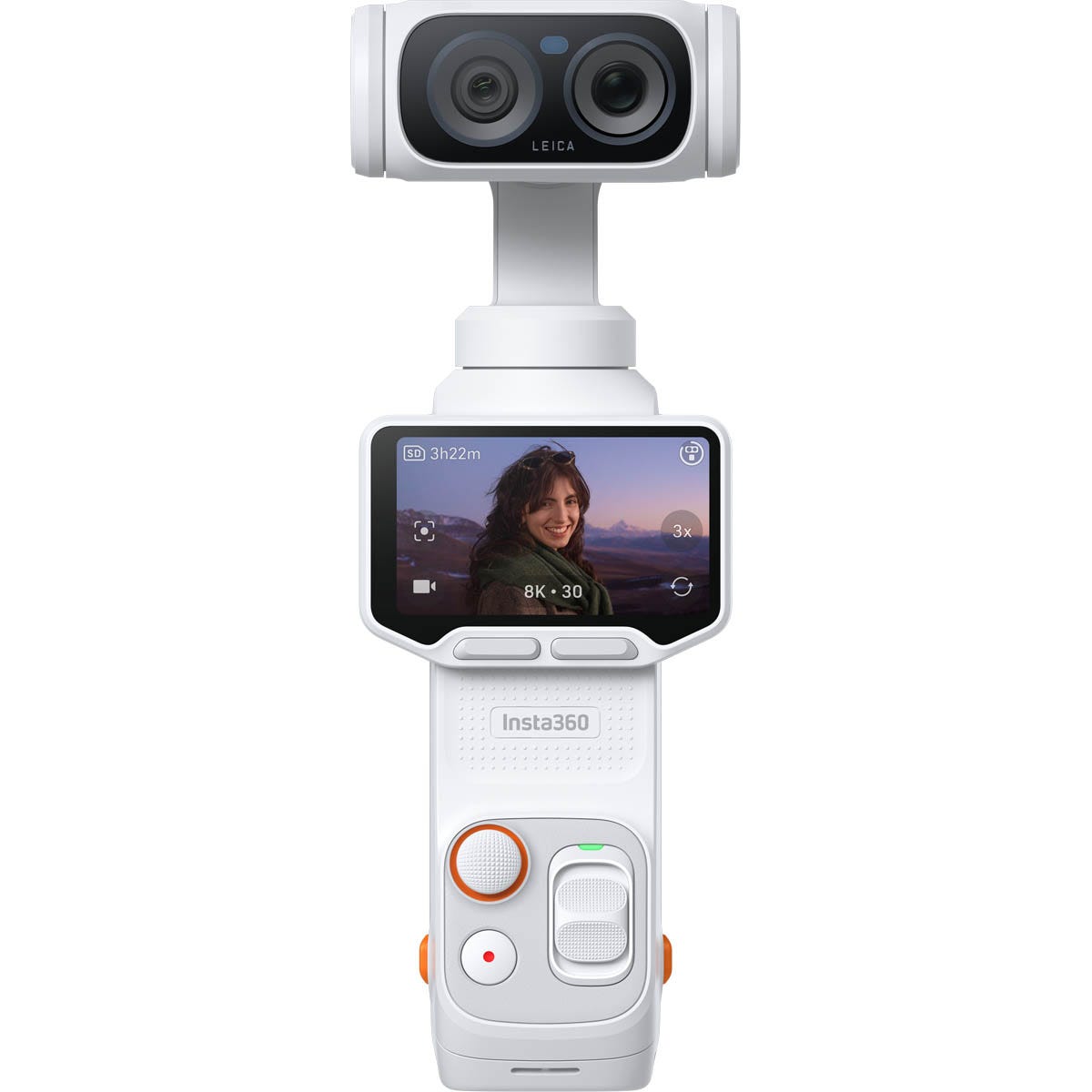
At launch, Luna Ultra already stood out because of its dual-camera design, 1-inch main sensor, Leica optics and dedicated telephoto camera. The Ultimate Zoom update puts more emphasis on that second camera and gives it new use cases rather than simply increasing a specification on paper.

The combination of 15x in-camera zoom, AI Remosaic, concert-oriented tracking, dedicated stage audio processing and the optional 450mm-equivalent lens makes long-distance shooting a much bigger part of the Luna Ultra experience.

For creators, native 4K vertical video is another substantial addition because it makes the camera more practical for producing horizontal YouTube footage and vertical social content with the same device.

Sources

Insta360 — Luna Ultra firmware update announcement via PR Newswire

Insta360 Support — Luna Series Zoom Feature

Insta360 Support — Firmware Update Guide

RedShark News — Insta360 Luna Ultra Ultra Telephoto Lens, Stage Mode and firmware update

T3 — Hands-on with the Insta360 Luna Ultra Ultra Telephoto Lens

Hand Soap Recall in 15 States: Check These Six Products and UPCs

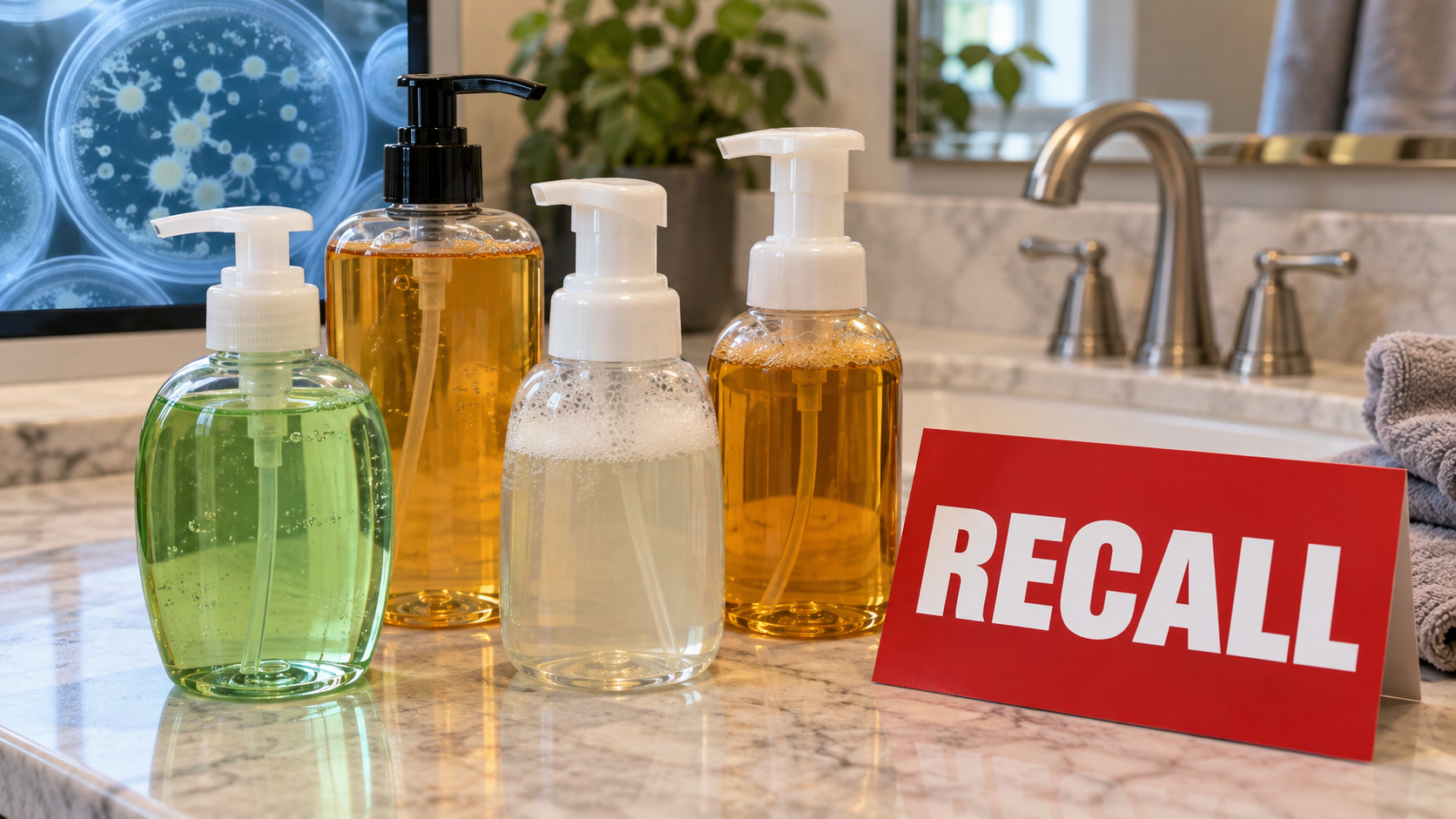
Generic hand soap bottles beside a recall warning and laboratory bacteria image

A federal recall involving nearly 2,700 cases of liquid and foaming hand soap has been classified as a Class II recall after potential bacterial contamination was identified. The products were made by Intercon Chemical Co. and distributed to 20 consignees—19 wholesalers and one retailer—across 15 states.

The recall began on June 29, 2026, and the U.S. Food and Drug Administration classified it as Class II on September 11. That classification means exposure may cause temporary or medically reversible health effects, while the probability of serious harm is considered remote. Consumers should still stop using any bottle that matches the listed product, UPC and code information.

What products are included in the hand soap recall?

Six products appear in FDA Enforcement Report event 99466. Two Laura Lynn soaps were distributed through Ingles Markets, while the other products went through wholesalers. Because wholesale soap may be placed in workplaces, healthcare facilities, restaurants or other shared restrooms, readers should check both household bottles and refill containers used outside the home.

Laura Lynn Honey Apple Crisp Liquid Hand Soap

  • Size: 8 fluid ounces
  • UPC: 086854074305
  • Manufacturing code: FIN46-HB-12X8-0921
  • Lot codes: C3576 and 26-01804
  • Best-by dates: November 5, 2026, and March 2028
  • Affected quantity: 301 cases

Laura Lynn Foaming Pear Scent Hand Soap with Moisturizers

  • Size: 7.5 fluid ounces
  • UPC reported in the FDA-derived listings: 08685407408
  • Manufacturing code: FIN46-HB-12X7-0948
  • Lot code: 26-01001
  • Best-by date: March 13, 2028
  • Affected quantity: 294 cases

Intercon Foaming Pear Hand Soap with Aloe

  • Size: 28.7 fluid ounces
  • UPC: 789745002981
  • Manufacturing code: FICCB-HB-4X28-0948
  • Lot codes: AF97312, 26-01001 and 26-01803
  • Best-by dates: January 12, 2028; March 13, 2028; and March 2028
  • Affected quantity: 693 cases

Clearly Better by Intercon Foaming Pear Hand Soap with Aloe

  • Size: 1,000 milliliters (34 fluid ounces)
  • UPC: 789745002615
  • Manufacturing code: FICCB-HB-4X1L-0948
  • Lot codes: 26-01001 and 26-01803
  • Best-by dates: March 13, 2028, and March 2028
  • Affected quantity: 143 cases

Summit 150 Foaming Hand Soap

  • Size: 28.7 fluid ounces
  • UPC: 810080570030
  • Manufacturing code: FRL01-HB-6X28-0948
  • Lot codes: BF97303, BF97304 and BF97305
  • Best-by dates: February 3, February 4 and February 5, 2028
  • Affected quantity: 1,040 cases

Vestis Foaming Hand Soap, Fresh Pear Scent

  • Size: 33.8 fluid ounces
  • UPC: 810080570405
  • Manufacturing code: FVE60-HB-6X1L-0948
  • Lot code: 26-03091
  • Best-by date: May 2028
  • Affected quantity: 225 cases

Which states received the recalled soap?

The FDA report says the products were distributed in California, Georgia, Illinois, Iowa, Maryland, Mississippi, Nebraska, New York, North Carolina, North Dakota, Pennsylvania, South Carolina, Texas, Washington and Wisconsin. The report does not identify the 19 wholesale outlets, so the state list is not a substitute for checking the actual label and codes.

Why the contamination matters

The two Intercon-branded pear soaps and the Clearly Better product were associated with possible contamination involving several Pseudomonas and Serratia species, including Pseudomonas aeruginosa and Serratia marcescens. The other four products were listed for potential bacterial contamination without the same organism-level detail.

The CDC says Pseudomonas aeruginosa can cause infections in the blood, lungs, urinary tract and other parts of the body, with the highest risk typically seen in healthcare settings and among people with open wounds or medical devices. Cleveland Clinic notes that Serratia marcescens infections are also more likely to affect people with weakened immune systems or those receiving care in hospitals or long-term facilities.

That context does not mean everyone who used the soap will become ill. The FDA’s Class II classification specifically indicates that serious consequences are unlikely. However, contaminated soap can contact cuts, cracked skin, eyes or medical equipment, so matching bottles should be removed from use.

What to do if your soap matches

  • Stop using the soap immediately.
  • Photograph the front label, UPC, lot or manufacturing code and best-by date.
  • Keep the bottle closed and separate it from other soap until the seller or recalling company provides disposal or return instructions.
  • Contact the place of purchase or Intercon Chemical Co. to ask about the available remedy.
  • Clean the dispenser area and wash your hands with an unaffected product.
  • If anyone develops signs of infection or has a weakened immune system, open wound or medical device, contact a healthcare professional for individualized advice.

Do not identify a bottle by scent or color alone. Similar-looking pear and honey soaps outside these exact product and code combinations are not automatically included. The safest check uses the brand, container size, UPC, lot or manufacturing code and best-by date together.

Replacing a recalled soap bottle

A replacement does not have to be a sensor dispenser, but a sealed, easy-to-clean pump can reduce shared contact points. One currently available option is the simplehuman touch-free rechargeable soap dispenser. Use it only with soap that is not part of this recall, and clean the reservoir according to the manufacturer’s instructions.

Disclosure: ReaderSpice may earn a commission from qualifying Amazon purchases at no extra cost to you.

The bottom line

This recall is easy to miss because four of the six products moved through wholesalers rather than a clearly named national retail chain. Check refill jugs and shared-restroom supplies as carefully as bottles at home. If the brand, size and codes match, stop use and contact the seller or manufacturer. Readers should rely on the FDA event record for any later status or remedy update.

Sources

FDA Enforcement Report: Event 99466

Health: Hand Soap Recall in 15 States

People: Nearly 2,700 Cases of Hand Soap Recalled

CDC: About Pseudomonas aeruginosa

Cleveland Clinic: Serratia marcescens

Great Smoky Mountains Fall Foliage Guide 2026: Best Time, Scenic Drives and Crowd-Smart Tips

Autumn foliage and misty ridges along a scenic road in Great Smoky Mountains National Park

Great Smoky Mountains National Park does not have one universal “peak week.” Its elevation changes from about 875 feet to 6,643 feet, so autumn color typically moves downhill over several weeks. That makes the park more forgiving than a single-date foliage destination—but only if you match your route to the elevation and arrive with a backup plan.

For 2026, the safest strategy is to treat mid-September through early November as a moving window, then use current park conditions and webcams to fine-tune your day. October is normally the park’s busiest month, and the National Park Service warns that travel can take hours longer than expected when roads and overlooks fill.

When fall colors peak at different elevations

Fall color changing by elevation across misty Great Smoky Mountains ridges

At the highest elevations, leaves can begin changing as early as mid-September. By early to mid-October, color commonly develops above 4,000 feet. The most vivid color at middle and lower elevations—where sugar maples, scarlet oaks, sweetgums and hickories add stronger reds and golds—often arrives from mid-October into early November.

That sequence is more useful than choosing a single predicted peak date. Early-season visitors should prioritize the high country around Newfound Gap and Kuwohi. Later in October, shift toward Cades Cove, Little River Road, Roaring Fork and the lower park gateways. Warm nights, drought, wind or a hard freeze can speed up or delay the show, so check the NPS current conditions page shortly before you leave.

The best scenic drives for fall foliage

Newfound Gap Road and Kuwohi for the high-elevation strategy

Newfound Gap Road (US 441) crosses the park between Gatlinburg and Cherokee and gives you the broadest elevation range in one drive. It is the best first choice when color is still concentrated high on the ridges. Kuwohi Road, formerly Clingmans Dome Road, is scheduled to remain open through November 29 in 2026, weather permitting. Snow, ice, wind or other hazards can still close it with little notice.

Build extra time into this route. Overlooks are small, pullouts can fill quickly and high-elevation weather can be very different from conditions in Gatlinburg or Cherokee. If the Kuwohi parking area is full, continue to another legal overlook instead of waiting in the roadway.

Foothills Parkway for broad mountain views

Foothills Parkway West is a strong alternative when the park’s central corridor is backed up. Its long-range views show multiple ridgelines at once, making it especially rewarding when color is spread across elevations. It also works well near sunrise or late afternoon, when low-angle light adds depth to the blue ridges and autumn canopy.

Cades Cove for valleys, wildlife and historic scenery

The 11-mile, one-way Cades Cove Loop combines lower-elevation foliage with historic buildings and open valley views. The tradeoff is congestion: wildlife sightings, crowded pullouts and slow traffic can turn the loop into a multi-hour drive. Enter early on a weekday, carry food and water, and do not plan a tight connection afterward.

Vehicle-free Wednesdays run through September 30 in 2026. On those Wednesdays, motor vehicles are excluded from the loop all day, although a parking tag is still required if you park for more than 15 minutes. The vehicle-free period has ended by the heart of October foliage season, but visitors arriving in late September should plan around it.

Roaring Fork and quieter alternatives

Roaring Fork Motor Nature Trail is a compact, forested one-way drive near Gatlinburg. The 2026 seasonal schedule keeps it open through November 29, weather permitting, and vehicles longer than 25 feet are prohibited. If central roads are gridlocked, consider the Oconaluftee side, Deep Creek near Bryson City, Cosby or the Abrams Creek and Look Rock area rather than spending the day in traffic.

A practical two-day fall itinerary

Day 1: Start before sunrise on Newfound Gap Road, stopping only at legal pullouts. Continue toward Kuwohi if the road is open and parking is available. After the high country, descend toward Oconaluftee for lower-elevation color and a less frantic afternoon. Keep the route flexible enough to skip any stop that is already full.

Day 2: Choose either Cades Cove or Foothills Parkway—not both unless traffic is unusually light. At Cades Cove, allow several hours and pair the loop with one short walk. On Foothills Parkway, combine overlooks with Look Rock. This split keeps you from repeatedly crossing the busiest center of the park.

Parking tags and what they do not guarantee

  • Daily parking tag: $5
  • Weekly parking tag: $15
  • Annual parking tag: $40

A tag is required when a vehicle is parked inside the park for more than 15 minutes. Daily and weekly tags bought online must be printed and displayed; a phone image is not accepted. Each tag is tied to one license plate, and America the Beautiful passes do not replace the Smokies parking tag. Most importantly, buying a tag does not reserve or guarantee a parking space.

Rental-car users should wait until they know the license plate number. If you purchase online through Recreation.gov, print the tag before entering the park because staff will not print it for you. Trailheads frequently do not have tag machines.

How to beat October crowds

  • Travel on a Tuesday, Wednesday or Thursday when possible.
  • Reach the first stop before sunrise, or visit popular overlooks late in the afternoon.
  • Choose one priority drive and one backup area on the same side of the park.
  • Download maps before entering; mobile service is unreliable in many valleys.
  • Carry lunch, water, layers and a basic first-aid kit so a full parking area does not derail the day.
  • Never park on vegetation, block a lane or wait in a traffic lane for a space.

The best crowd strategy is geographic, not just chronological. If Newfound Gap Road is stalled, changing to another nearby overlook may not help. A better Plan B is a different park sector—Foothills Parkway, Cosby, Deep Creek or Oconaluftee—where the traffic pattern can be completely different.

Short hikes that add color without consuming the day

For an easy riverside option, the Oconaluftee River Trail offers lower-elevation forest near Cherokee. Look Rock Tower provides a broad western view with a relatively short walk. Porters Creek and the Little River–Cucumber Gap area can deliver colorful hardwoods, but always check current trail alerts before driving to a trailhead. Laurel Falls Trail remains listed as closed for rehabilitation, and Bullhead Trail has weekday construction closures through November 19, 2026.

What to pack for shifting mountain weather

Bring a warm layer and rain shell even when the gateway towns feel mild. Higher elevations can be colder, windier and cloudier, and early-morning overlooks may be slick. Sturdy shoes, water, a flashlight, a paper map and a charged phone or power bank are sensible even for a drive-focused day.

A waterproof paper map remains useful when service disappears or a closure forces a reroute. The National Geographic Trails Illustrated Great Smoky Mountains map covers park roads, trails, overlooks and surrounding public lands.

Disclosure: ReaderSpice may earn a commission from qualifying Amazon purchases at no extra cost to you.

The bottom line

The smartest 2026 Smokies foliage trip follows the color downhill. Aim high in late September and early October, favor the middle and lower elevations later in October, and treat early November as a possible bonus rather than a promise. Buy and print the correct parking tag, check road and trail alerts the morning of your visit, and keep one alternate park sector ready. Flexibility is the difference between a day spent watching brake lights and one spent watching the mountains change color.

Sources

NPS: Fall Colors in Great Smoky Mountains National Park

NPS: Fees and Parking Tags

NPS: 2026 Seasonal Road Schedule

NPS: Cades Cove Vehicle-Free Wednesdays

NPS: Current Conditions and Closures

TV Makers Set New Energy-Efficiency Targets for 2028: What Buyers Should Know

Energy-efficient television in a modern living room with a declining power-use graphic

TV manufacturers and energy-efficiency groups are expanding a North American voluntary agreement that could change how many new televisions use power. The update, announced on September 16, 2026, adds on-mode efficiency targets for LCD and OLED sets, broadens participation to cover all major TV brands, and projects about $1.8 billion in annual consumer electricity-bill savings once the program is fully implemented.

That headline does not mean every television will suddenly cost less to run, and the agreement is not a federal regulation. It does mean participating manufacturers have committed to making efficiency a portfolio-wide target while preserving screen size, picture quality, pricing and feature competition.

What changes for TVs in 2028

Beginning on April 1, 2028, each manufacturer signatory commits that at least 90% of its new televisions sold in the United States or Canada will meet the agreement’s first-tier on-mode power limits. “On mode” is the power a TV uses while displaying content, so this part of the agreement reaches beyond the smaller amount of electricity consumed while a set is waiting in standby.

The manufacturer list includes Hisense, LG, Roku, Samsung, Skyworth, Sony, TCL and Vizio, plus Best Buy and Walmart for television brands sold under their control. Google is a commercial signatory, while the American Council for an Energy-Efficient Economy, the Northwest Energy Efficiency Alliance and Pacific Gas & Electric participate as energy advocates.

Why LCD and OLED TVs use different measurements

The program does not apply one blunt wattage ceiling to every screen. Backlit LCD televisions are evaluated with a formula tied mainly to viewable screen area, while non-backlit televisions such as OLED models use a formula that also considers light output, resolution and standard- and high-dynamic-range picture modes.

That distinction matters because a 75-inch backlit LCD and a self-emissive OLED do not produce an image in the same way. A technology-aware approach is intended to encourage lower consumption without treating brightness, HDR capability or a larger screen as automatic failures. Testing uses the ANSI/CTA-2037-D method, which is designed to reflect real-world viewing conditions more closely than a single static test pattern.

How much energy could the agreement save?

CTA and its partners estimate the new on-mode commitments will save about 2 terawatt-hours of electricity during the first seven years. They say that is in addition to a projected 10 terawatt-hours of annual savings from standby commitments adopted earlier.

Under the standby provision, 90% of televisions sold by each participating manufacturer must use no more than 2 watts in standby beginning on April 1, 2026. The combined program is projected to reduce consumer electricity bills by roughly $1.8 billion per year once fully implemented. Those are industry-wide projections, not a guaranteed dollar amount for any one household; an individual bill depends on TV size, picture settings, daily viewing time and local electricity rates.

What TV buyers should check now

Shoppers do not need to wait until 2028 to compare energy use. The yellow EnergyGuide label and ENERGY STAR information can help distinguish models that are similar in size and features. A very large or extremely bright TV can still use more electricity than a smaller model even when both are efficient for their class.

  • Compare the estimated annual energy use on similarly sized models.
  • Check whether an energy-saving or eco picture mode preserves the brightness and color you want.
  • Disable quick-start or always-listening features if you do not use them and they increase standby power.
  • Measure an existing TV with a Kill A Watt electricity usage monitor if you want real household data instead of an estimate.

ReaderSpice may earn a commission from qualifying Amazon purchases. This does not affect the price you pay.

What the voluntary agreement does not guarantee

The commitment is measured across each manufacturer’s sales portfolio, not as a pass-or-fail rule for every individual model. A company may still sell power-hungry flagship televisions as long as its overall sales mix meets the 90% target. The agreement also allows a process for new features that consume meaningful power and were not anticipated by the existing formulas.

Oversight comes from a steering committee, annual reports and an independent administrator. Energy advocates may independently test reported models, and the agreement specifies a 10% tolerance for verification testing. That structure adds accountability, but readers should still treat the $1.8 billion figure as a forecast and compare the actual energy information for the TV they plan to buy.

The bottom line

For buyers, the practical result should be a broader selection of efficient TVs rather than a new badge that instantly identifies every compliant model. The 2028 target gives manufacturers time to redesign power management, display electronics and default picture settings. Until then, the best approach is to compare televisions of similar size, check annual energy estimates, and choose settings that balance picture quality with power use.

Sources

Consumer Technology Association announcement

Northwest Energy Efficiency Alliance summary

Full television energy-efficiency voluntary agreement

Jerify Magnetic Toy Recall: 38,507 Sets Recalled After Two Children Hospitalized

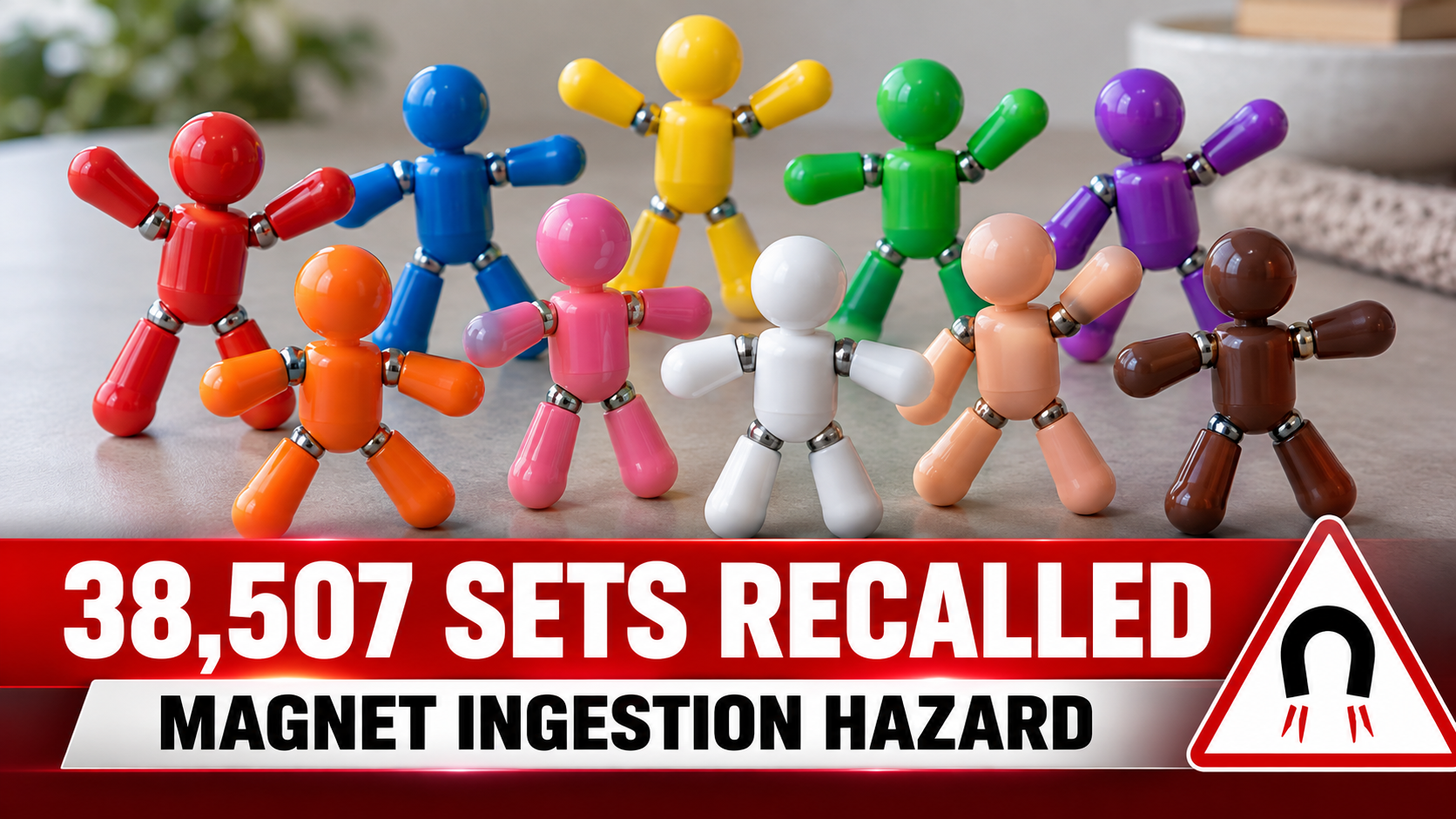
Colorful magnetic stick-figure toys with a recall warning for 38,507 sets and magnet ingestion hazard

Parents and caregivers should immediately take recalled Jerify magnetic stick-figure toys away from children. The U.S. Consumer Product Safety Commission announced the recall on September 17, 2026, after two children removed and swallowed magnets from the figures’ limbs. Both children were hospitalized.

The recall covers about 38,507 Jerify Magnetic Humanoid Toy Sets containing 30 colorful figures. The toys violate the mandatory federal safety standard because their high-powered magnets can come loose and be swallowed.

Why swallowed high-powered magnets are an emergency

High-powered magnets are more dangerous than many ordinary small objects. If a child swallows more than one magnet—or a magnet and another metal object—the pieces can attract each other through intestinal tissue. The CPSC warns that this can cause perforations, twisting or blockage of the intestines, blood poisoning and death.

The absence of immediate symptoms does not make a suspected ingestion safe. The American Academy of Pediatrics’ HealthyChildren guidance says a child who is seen or suspected to have swallowed a magnet should go to an emergency department now. Call 911 if the child has trouble breathing or appears to have a life-threatening emergency.

How to identify the recalled Jerify set

How to identify the recalled Jerify set

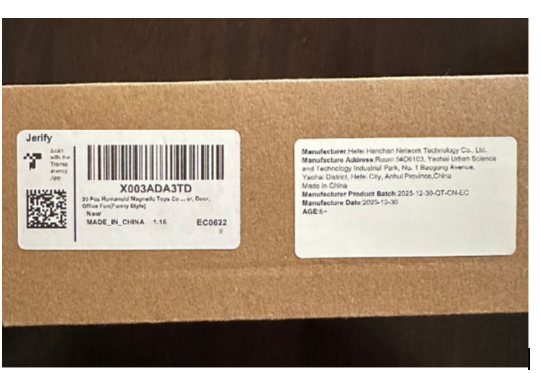
The affected product is the Jerify Magnetic Humanoid Toys 30 PCS set. Each package contains three figures in each of 10 colors: brown, white, green, peach, yellow, pink, blue, orange, purple and red.

Each human-shaped figure measures approximately 2.7 inches tall by 2.5 inches wide. Magnets are installed in the hands and feet, where children in the two reported incidents were able to remove them. The figures themselves do not carry product labeling.

Check the packaging code

Check the packaging code

The toys were packaged in an unlabeled clear bag inside a brown box. Look for the Jerify brand name and the number X003ADA3TD on the box sticker. If the box is missing but the figures match the official CPSC photographs, keep the toys away from children while you confirm the recall.

Where and when the toys were sold

The recalled sets were sold online through Amazon from October 2022 through May 2026 for about $21. If you no longer have the box, open Amazon order history and search for “Jerify,” “magnetic humanoid toys,” or “magnetic stick figures.” Save a screenshot of any matching order.

Do not assume that a similar-looking set is included without checking the brand and package code. However, any toy with loose or detachable high-powered magnets should be removed from children while you verify its safety status.

What owners should do now

  • Take every figure and any loose magnets away from children immediately.
  • Stop using the entire 30-piece set.
  • Photograph the toys, packaging sticker and Amazon order record if available.
  • Follow Colerinsec’s disposal instructions and submit the required disposal photo.
  • Do not sell, donate or give the recalled set to another family.

The CPSC says consumers should throw away the magnetic toys and email a photograph of the disposed toys to Colerinsec to receive a full refund. Follow the company’s current directions before disposal so you retain the evidence needed for the claim.

How to request the refund

Consumers can email Colerinsec at coushdwugintwer@163.com. Include clear photographs and enough purchase information to identify the recalled product, but avoid sending unrelated personal or financial information. The CPSC recall number is 26-774.

Because the set was sold through Amazon, retaining an order screenshot may help document when and where it was purchased. The official recall notice does not state that a purchase receipt is required, so follow the instructions Colerinsec provides in response.

A useful reminder for other small toys

This recall is specifically about detachable high-powered magnets; a size check cannot determine whether a magnet is safe. For broader household toy checks, a small-parts choke tester can help caregivers identify objects that fit inside the federal small-parts cylinder, but it does not replace recall checks or make these Jerify toys safe.

Disclosure: ReaderSpice may earn a commission from qualifying Amazon purchases at no additional cost to you.

The bottom line

About 38,507 Jerify magnetic stick-figure sets are recalled after two magnet-ingestion incidents hospitalized children. Remove the toys from children immediately, check the brown box for Jerify and code X003ADA3TD, and contact Colerinsec for the full-refund process. If a child may have swallowed a magnet, seek emergency medical care immediately rather than waiting for symptoms.

Sources

U.S. Consumer Product Safety Commission — Jerify magnetic stick-figure toy recall

People — Jerify magnetic toys recalled after two children were hospitalized

HealthyChildren.org — guidance for a swallowed or suspected swallowed magnet

JKMAX Heated Blanket Recall: 195,000 Units Recalled After 53 Burn Injuries

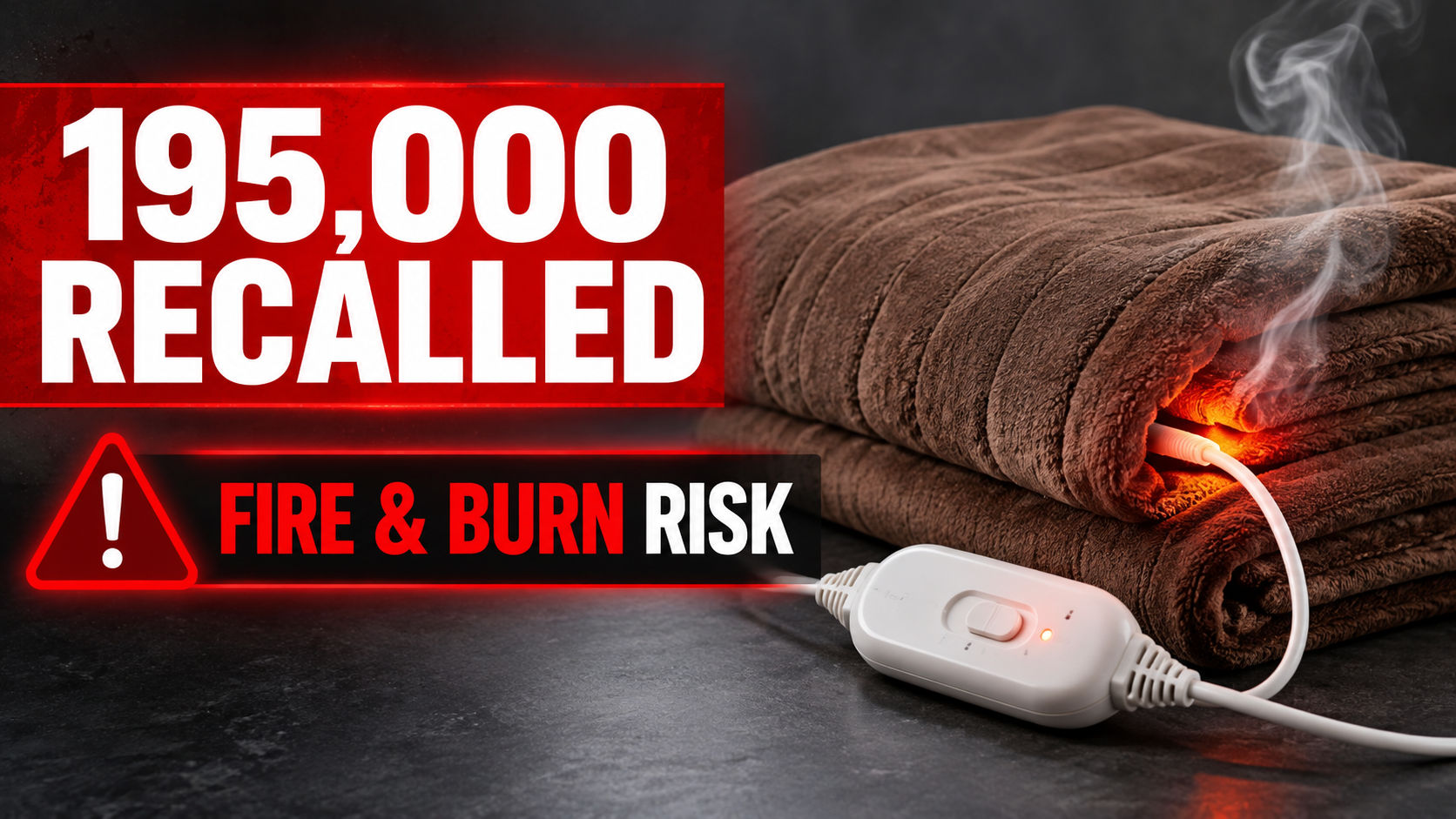
JKMAX heated blanket recall warning showing 195,000 units recalled for fire and burn risks

If you own a JKMAX heated blanket or heating pad, stop using it now. The U.S. Consumer Product Safety Commission announced the recall on September 17, 2026, after hundreds of reports that the products overheated, smoked, melted or burned.

The recall covers about 195,000 units sold through Amazon from September 2022 through July 2026. Federal safety officials say the internal wire elements can overheat, creating fire and burn hazards. JKMAX has received 577 incident reports, including 53 burn injuries.

What the JKMAX recall covers

What the JKMAX recall covers

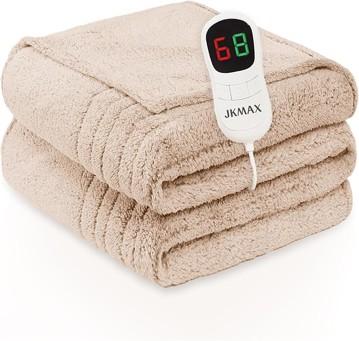
The recall includes every JKMAX heating pad and heated blanket identified in the CPSC notice. The products were sold in blue, gray, brown and red, and were made from polyester with a detachable white controller.

Owners should not assume a blanket is safe because it has not shown visible damage. The reported failures involve internal wiring, so a product can become hazardous before scorch marks or melting are obvious.

Why the blankets and pads were recalled

According to the CPSC, the internal wire elements can overheat. Reported symptoms include smoking, melting and burning—warning signs that can lead to skin injuries or ignite nearby bedding and furniture.

The scale of the incident reports makes this more than a precautionary paperwork recall. With 577 reports and 53 burn injuries, owners should treat the stop-use instruction as urgent. Unplug the product and do not test it again, even briefly.

Which JKMAX products are affected

The CPSC notice lists these JKMAX model numbers:

  • JKMAX-002
  • JKMAX-7284B
  • JKMAX-6284B
  • JKMAX-10090B
  • JKMAX-8490B

The federal notice says all JKMAX heating pads and heated blankets are included. If the branding matches but the model label is hard to read, stop using the product while you confirm it through the recall process.

Where to find the model number

Where to find the model number

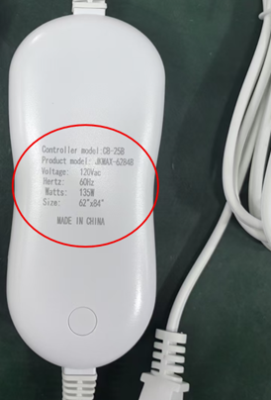
Look on the back of the detachable white remote and on the packaging label. Photograph the label before contacting JKMAX; a clear image can make it easier to document the product and follow the refund instructions.

What owners should do now

  • Stop using the heated blanket or heating pad immediately and unplug it.
  • Keep the controller, product label and packaging if available.
  • Photograph the model number and the complete product before beginning the refund process.
  • Contact JKMAX for the company’s full-refund instructions.
  • Do not sell, donate or give away a recalled unit.

Do not keep using the item while waiting for a refund. If you notice smoke, melting, discoloration or a burning smell, move away from the product if it is unsafe to approach and contact emergency services when needed.

How to check an old Amazon order

Because the affected products were sold on Amazon from September 2022 through July 2026, your order history can help identify a unit when the packaging is gone or the label is difficult to read. Open Amazon order history and search for “JKMAX,” “heated blanket” or “heating pad.”

  • Compare the order date and product description with the recalled sales window.
  • Save a screenshot of the order page, seller information and model description.
  • Do not rely on a listing photo alone; confirm the controller or packaging label whenever possible.

Keep the product until you have reviewed JKMAX’s refund directions, but leave it unplugged and stored where it cannot be used accidentally. If the company requests proof of purchase or product photographs, your order record can help document the claim.

How to contact JKMAX

JKMAX says consumers can request a full refund. The company can be reached at 800-917-5732 from 8:30 a.m. to 6 p.m. Eastern, Monday through Friday, or by email at JkmaxRecall@outlook.com. Refund information is also available on the JKMAX recall website.

The CPSC recall number is 26-778. Keep that number with your notes in case you need to explain which safety action applies to your product.

Why this recall matters

Heated bedding combines electricity, flexible wiring and prolonged contact with fabric and skin. That makes overheating particularly dangerous, especially when a person is asleep, has limited mobility or may not notice a hot spot quickly.

After removing the recalled product, check that sleeping areas have working smoke alarms. A practical option is to compare First Alert smoke alarms on Amazon, but a smoke alarm does not make a recalled heated blanket safe to use.

Disclosure: ReaderSpice may earn a commission from qualifying Amazon purchases at no additional cost to you.

The bottom line

About 195,000 JKMAX heated blankets and heating pads are under recall after 577 reports of smoking, melting or burning and 53 reported burn injuries. Stop using the product, check the controller or packaging for the model number, and follow JKMAX’s refund instructions. Do not resume use even if your unit appears normal.

Sources

U.S. Consumer Product Safety Commission — JKMAX heated blanket and heating pad recall

Beaumont Enterprise — Amazon recall covers 195,000 JKMAX heated blankets and pads