Meta Adventurer AI Glasses Go on Sale at $249: The Charging-Case Tradeoff Explained

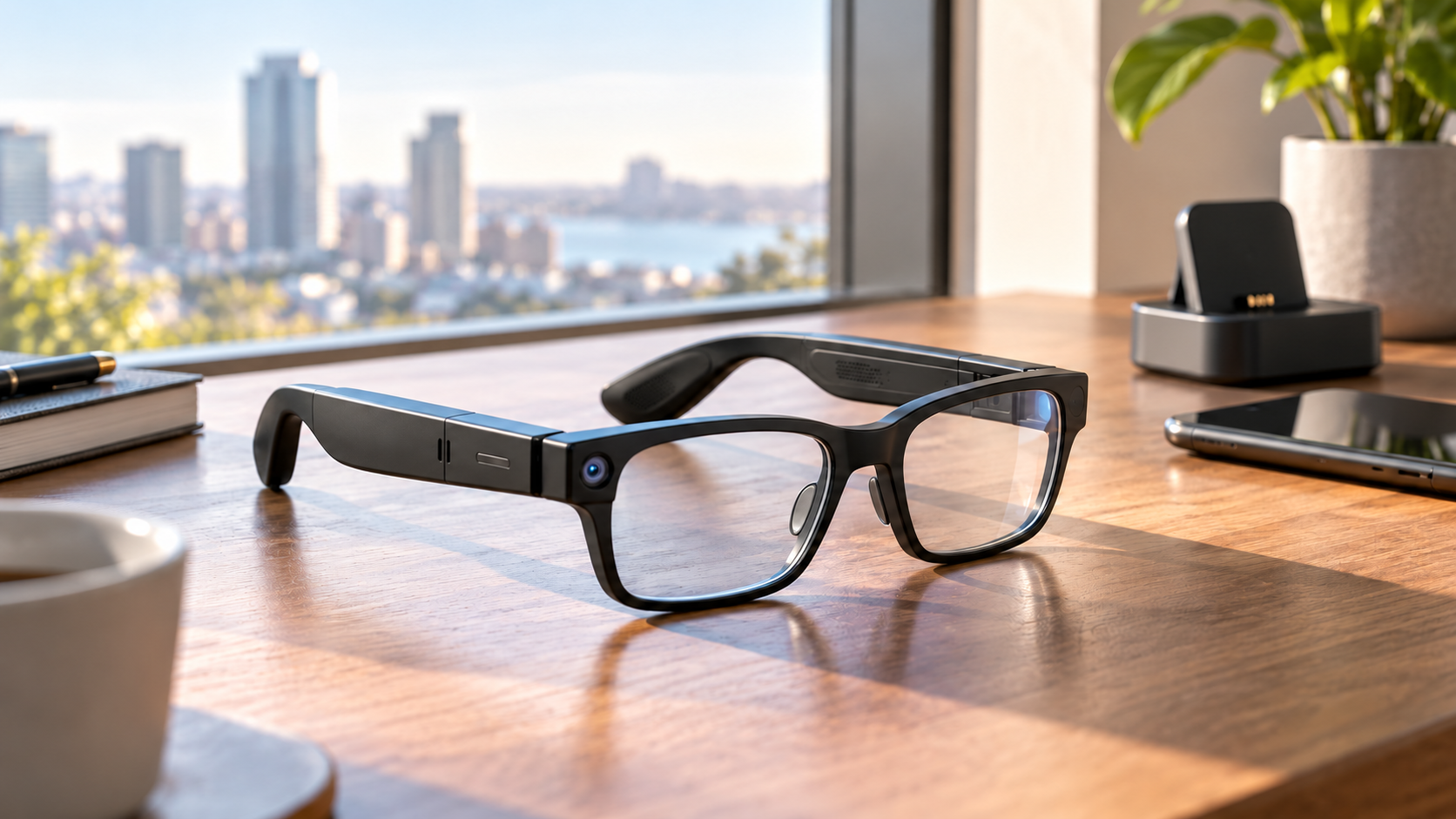
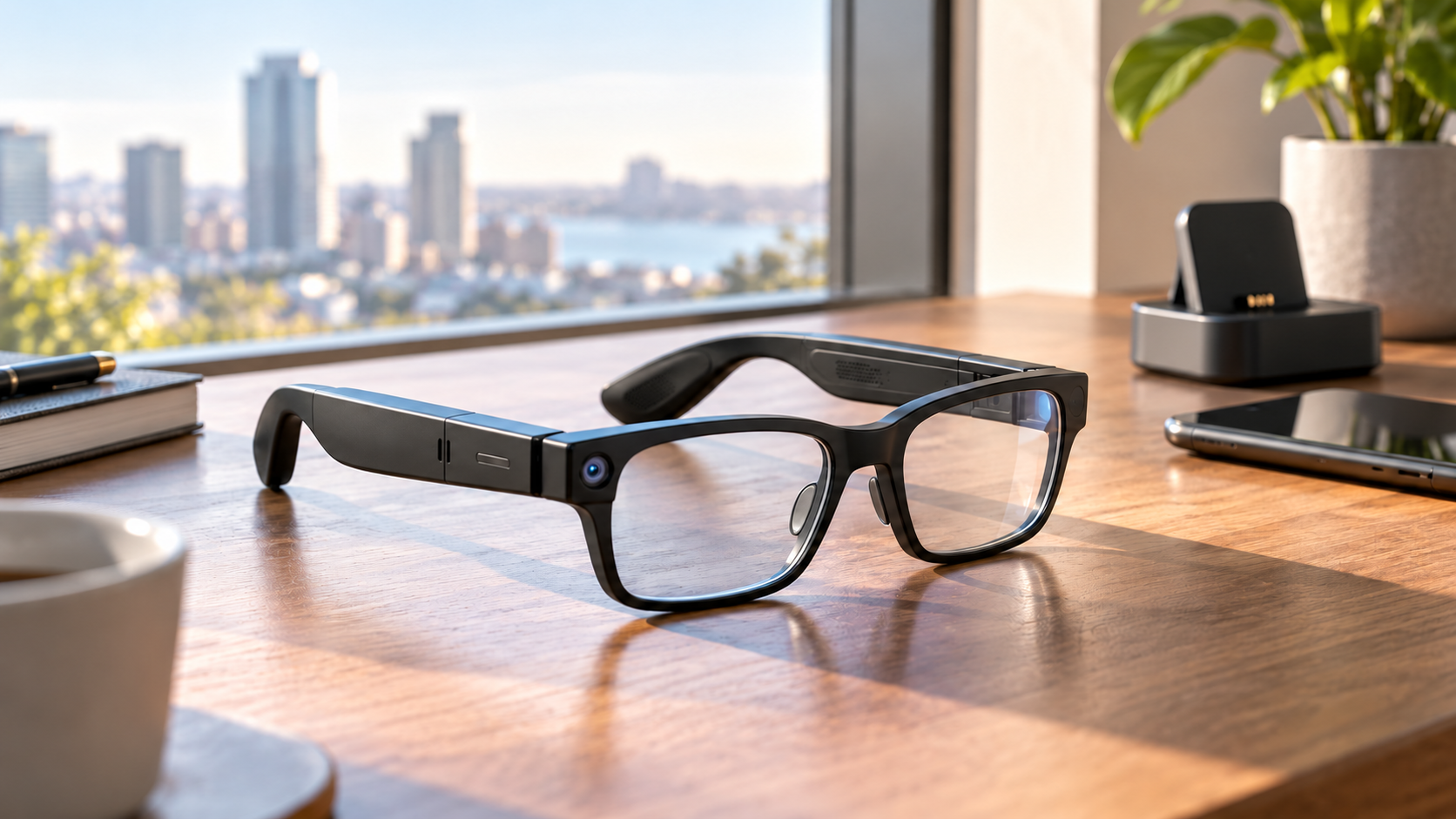
Black rectangular AI smart glasses with a small camera resting on a sunlit desk beside a phone and charging dock

Meta’s most affordable camera-equipped AI glasses are officially on sale October 23, 2026. The Meta Adventurer starts at $249 in Classic Black with gray lenses and a plug-in charging case, putting a 12-megapixel camera, 3K video, open-ear audio and Meta AI below the price of many competing smart glasses.

The low price has an important catch: the $249 package uses a charger that must be connected to power. Configurations with Meta’s foldable charging case start higher—the currently displayed Classic Black model with clear lenses is $299—and that portable case can add up to 40 hours of battery life away from an outlet. The glasses themselves keep the same core capabilities, so buyers are mainly choosing between the lowest entry price and more convenient charging on the road.

The quick take

  • The entry Meta Adventurer costs $249 and includes black frames, gray lenses and a plug-in charging case.
  • A $299 configuration shown on Meta’s U.S. store includes clear lenses and the foldable charging case.
  • Meta says the lower-priced version retains the same core features: Meta AI, a 12MP camera, 3K video and open-ear audio.
  • Battery life is rated at more than eight hours for the glasses; the portable case provides up to 40 additional hours, while the plug-in case does not act as an unplugged battery bank.
  • The rectangular frame comes in standard and large sizes, supports prescriptions and works with iOS 17 or later and Android 10 or later.
  • A visible capture LED signals photo or video use, but owners still need to ask permission and follow venue rules.

What went on sale October 23

Meta announced the Adventurer in September and set October 23 as the retail date in markets where Meta Glasses are sold. The headline $249 configuration pairs a black rectangular frame and gray lenses with the company’s simpler plug-in case. Other Adventurer combinations add different lenses, colors, sizes and the portable case, so the price on the product page can be higher than the advertised starting point.

The current U.S. product page shows Classic Black with clear lenses at $299 when the foldable charging case is selected. That is not a contradiction. The $249 price belongs to the specific black-and-gray package with the plug-in case. Prescription lenses, Transitions lenses and other treatments can raise the total further.

Availability is broader than a U.S.-only launch. Meta lists online sales in the United States, Canada, the United Kingdom, Australia, much of Western Europe, Japan, Mexico, Singapore, South Korea and the United Arab Emirates, with local inventory and configurations varying. Buyers should use the regional Meta store because prescription support, returns, financing and consumer-law coverage can differ by country.

The $249 plug-in case is the real tradeoff
The $249 plug-in case is the real tradeoff

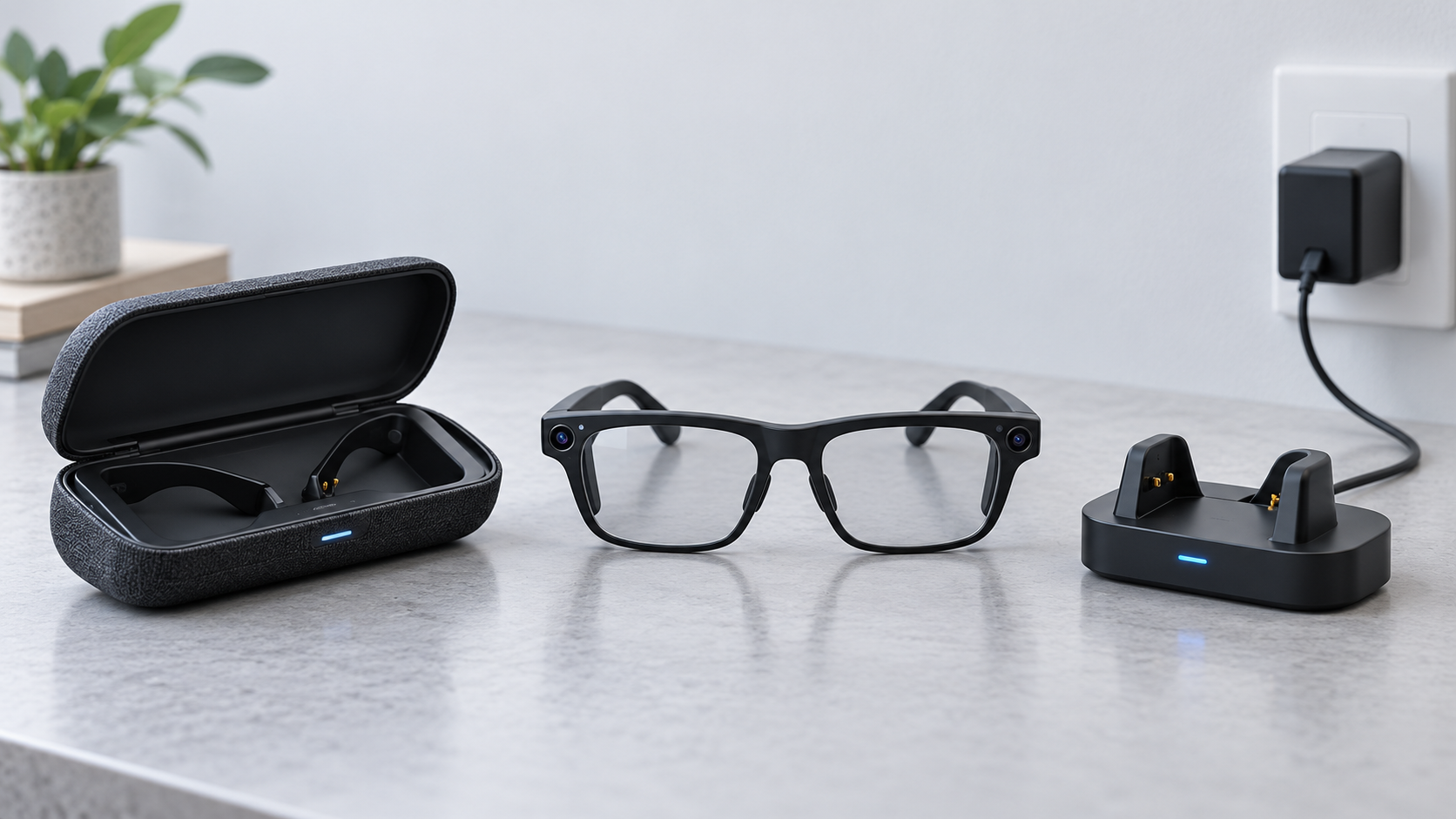
Meta says the entry Adventurer has the same standard glasses features as more expensive Meta Glasses. The distinction is the included charger. The plug-in case connects to a power source with a cable and is not sold separately. It can bring the glasses to about 90 percent charge in roughly 75 minutes, but it cannot refill them while sitting unplugged in a bag.

The foldable charging case is a portable battery. Meta rates it for up to 40 hours of additional charging, allowing the glasses to be topped up between commutes, meetings or sightseeing stops without finding an outlet. Meta also sells that portable case separately for $89, so buying the $249 model and adding a case later would cost more than choosing an appropriate package at checkout.

The practical decision is straightforward. The plug-in package makes sense when the glasses will mostly be used near home, work or a vehicle charger. Travelers, all-day event attendees and heavy camera users are more likely to benefit from the portable case because 3K video, calls and AI requests can consume the frame battery faster than light audio use.

The core hardware is not cut down

Adventurer uses a 12MP ultra-wide camera with a 100-degree field of view. Still images are captured at 3024 by 4032 pixels. Video options include 3K Ultra HD at 30 frames per second, a 1080p-plus mode at 30 or 60 fps and a 720p-plus mode at 120 fps. Hyperlapse and slow-motion capture are supported.

Six microphones are distributed across the nose pads, temple arm and front frame. The open-ear speakers use adaptive volume so audio can respond to the surrounding environment. This design keeps the ear canal open, which is useful for awareness, but it also means nearby people may hear some sound at higher volumes and strong traffic noise can compete with music or calls.

The glasses store up to 1,000 photos or more than 100 thirty-second videos in 32GB of flash storage. Wi-Fi 6 tri-band connectivity covers 2.4GHz, 5GHz and 6GHz networks, while Bluetooth 5.4 and Bluetooth Low Energy handle phone pairing and related connections.

What Meta AI can do

With a paired phone and supported services, the glasses can answer questions about what the wearer sees, provide local recommendations, translate conversations, start calls and control music. Meta also promotes dynamic photo capture, which takes multiple frames and recommends a stronger result. Some features depend on region, language, connected accounts or a data connection, so the hardware specification should not be treated as a promise that every AI function works everywhere on day one.

There is no in-lens display. Adventurer is a camera-and-audio wearable, not an augmented-reality headset. Answers arrive primarily through the speakers or the companion Meta AI app. Anyone expecting maps, messages or captions floating in front of the eye should look at display-equipped products instead.

Battery, fit and prescription details

Meta rates the frame for more than eight hours per charge. Real endurance will vary with video recording, calls, music volume, AI use, wireless conditions and temperature. The number is best read as an upper-level product claim rather than a guarantee that every user will reach a full workday.

The rectangular frame is offered in standard and large sizes. Meta lists a weight of 53.8 grams for the standard frame and 54.8 grams for the large one. Both use a 22mm bridge, with 150mm temples on the standard size and 155mm temples on the large size. Three-way nose-pad adjustment and over-extension hinges are intended to improve fit, but the frame remains heavier than ordinary eyeglasses.

Prescription-ready versions support single-vision and progressive lenses. Meta lists a total-power range from -12.00 to +2.25, with cylinder correction up to 6.00. That is a broad range, but an optician should confirm lens thickness, pupillary distance and fit before purchase. In the U.S., prescription configurations can be ordered from Meta; third-party installation should be handled by a qualified professional.

Phone requirements and what is not included

The official compatibility floor is iOS 17 or later or Android 10 or later. A compatible phone, the Meta AI app, a Meta account and wireless connectivity are necessary for setup and many smart features. An operating-system version alone does not guarantee every phone model is supported, so buyers should check Meta’s live compatibility list before opening or customizing prescription lenses.

The standard foldable-case package includes the glasses, charging case, cleaning cloth, reference guide and prescription-lens guide. Meta states that a USB-C charging cable is not included. The lower-priced plug-in package uses its dedicated wired case instead, so shoppers should examine the exact in-box list shown for the selected configuration rather than assuming all bundles contain the same accessories.

Privacy is part of the ownership cost

Adventurer’s camera makes consent and location rules as important as battery life. Meta says a capture LED illuminates when the glasses take photos or record gallery video, and camera capture is blocked if that light is covered. The company also says captures remain on the glasses until the owner chooses to move them to the phone through the Meta AI app.

Those safeguards do not replace good behavior. Owners should ask before photographing people, avoid sensitive spaces and comply with workplace, school, medical, concert and private-property policies. The LED also cannot tell a bystander what will happen to an image after it is transferred to a phone.

Visual AI requests are another reason to review settings carefully. A camera-equipped assistant can process what is in front of the wearer even when the intent is not to create a keepsake. Before using the glasses around documents, screens, children or confidential work, review the Meta AI app’s capture, voice and data controls and switch off features that are not needed.

A verified Amazon alternative

Meta Adventurer is sold through Meta and certified retailers. Buyers who prefer Amazon can compare it with the established Ray-Ban Meta Gen 2 Wayfarer Large in Matte Black with clear lenses. That model includes a 12MP camera, 3K video, open-ear audio and Meta AI in a Ray-Ban frame, but its fit, styling, battery package and price are different from Adventurer.

Check the Ray-Ban Meta Gen 2 Wayfarer Large on Amazon (ASIN B0FLYD7G7D). Confirm the generation, frame size, lens type, seller and current return terms before ordering because Amazon can group several variations on one page.

Disclosure: ReaderSpice may earn a commission from qualifying Amazon purchases made through the link above, at no additional cost to you.

Who should choose each package

Choose the $249 plug-in version if

  • Your priority is the lowest purchase price.
  • You normally use the glasses near a reliable outlet or USB power source.
  • Gray lenses and the specific black frame fit your needs.
  • You do not expect to recharge the glasses while walking, traveling or attending long events.

Pay more for the portable case if

  • You travel frequently or use the camera away from power.
  • You want up to 40 hours of extra charging available in a bag or pocket.
  • You need clear, Transitions or prescription lenses that are not part of the entry bundle.
  • The convenience is worth more than the price gap and avoids an $89 case purchase later.

Buying checklist

  • Select the exact frame size, bridge fit, lens color and case type before looking at the final price.
  • Confirm that your phone appears on Meta’s current compatibility list and can run the required operating system.
  • Budget for prescription lenses, lens treatments, a USB-C cable or adapter, and any protection plan separately.
  • Review the 30-day return window and the 12-month manufacturing-defect warranty for the country and retailer handling the sale.
  • Test fit, microphone pickup, speaker leakage, battery life, camera alignment and capture LED behavior before the return period ends.

The bottom line

Meta Adventurer makes camera-equipped AI glasses more accessible without removing the camera, audio or AI features that define the category. The $249 package is real, but it is tied to one frame-and-lens combination and a plug-in charger. For buyers who stay close to power, that is a sensible way to save. For travel or heavy daily use, the $299-class portable-case configuration is likely the better value because it solves the product’s most predictable limitation: recharging away from an outlet.

Before buying, treat the glasses as both a wearable computer and a camera. Verify the selected package, check phone compatibility and prescription needs, understand the return policy, and use the capture controls in a way that respects the people around you.

Sources

Meta Newsroom: Ray-Ban Meta Audio and expanded Meta Glasses lineup

Meta Store: Adventurer price, specifications, case options and FAQs

Meta: Responsible innovation and privacy guidance for AI glasses
Amazon: Ray-Ban Meta Gen 2 Wayfarer Large (ASIN B0FLYD7G7D)

Meta Adventurer AI Glasses Go on Sale at $249: The Charging-Case Tradeoff Explained

Black rectangular AI smart glasses with a small camera resting on a sunlit desk beside a phone and charging dock

Meta’s most affordable camera-equipped AI glasses are officially on sale October 23, 2026. The Meta Adventurer starts at $249 in Classic Black with gray lenses and a plug-in charging case, putting a 12-megapixel camera, 3K video, open-ear audio and Meta AI below the price of many competing smart glasses.

The low price has an important catch: the $249 package uses a charger that must be connected to power. Configurations with Meta’s foldable charging case start higher—the currently displayed Classic Black model with clear lenses is $299—and that portable case can add up to 40 hours of battery life away from an outlet. The glasses themselves keep the same core capabilities, so buyers are mainly choosing between the lowest entry price and more convenient charging on the road.

The quick take

  • The entry Meta Adventurer costs $249 and includes black frames, gray lenses and a plug-in charging case.
  • A $299 configuration shown on Meta’s U.S. store includes clear lenses and the foldable charging case.
  • Meta says the lower-priced version retains the same core features: Meta AI, a 12MP camera, 3K video and open-ear audio.
  • Battery life is rated at more than eight hours for the glasses; the portable case provides up to 40 additional hours, while the plug-in case does not act as an unplugged battery bank.
  • The rectangular frame comes in standard and large sizes, supports prescriptions and works with iOS 17 or later and Android 10 or later.
  • A visible capture LED signals photo or video use, but owners still need to ask permission and follow venue rules.

What went on sale October 23

Meta announced the Adventurer in September and set October 23 as the retail date in markets where Meta Glasses are sold. The headline $249 configuration pairs a black rectangular frame and gray lenses with the company’s simpler plug-in case. Other Adventurer combinations add different lenses, colors, sizes and the portable case, so the price on the product page can be higher than the advertised starting point.

The current U.S. product page shows Classic Black with clear lenses at $299 when the foldable charging case is selected. That is not a contradiction. The $249 price belongs to the specific black-and-gray package with the plug-in case. Prescription lenses, Transitions lenses and other treatments can raise the total further.

Availability is broader than a U.S.-only launch. Meta lists online sales in the United States, Canada, the United Kingdom, Australia, much of Western Europe, Japan, Mexico, Singapore, South Korea and the United Arab Emirates, with local inventory and configurations varying. Buyers should use the regional Meta store because prescription support, returns, financing and consumer-law coverage can differ by country.

The $249 plug-in case is the real tradeoff

The $249 plug-in case is the real tradeoff

Meta says the entry Adventurer has the same standard glasses features as more expensive Meta Glasses. The distinction is the included charger. The plug-in case connects to a power source with a cable and is not sold separately. It can bring the glasses to about 90 percent charge in roughly 75 minutes, but it cannot refill them while sitting unplugged in a bag.

The foldable charging case is a portable battery. Meta rates it for up to 40 hours of additional charging, allowing the glasses to be topped up between commutes, meetings or sightseeing stops without finding an outlet. Meta also sells that portable case separately for $89, so buying the $249 model and adding a case later would cost more than choosing an appropriate package at checkout.

The practical decision is straightforward. The plug-in package makes sense when the glasses will mostly be used near home, work or a vehicle charger. Travelers, all-day event attendees and heavy camera users are more likely to benefit from the portable case because 3K video, calls and AI requests can consume the frame battery faster than light audio use.

The core hardware is not cut down

Adventurer uses a 12MP ultra-wide camera with a 100-degree field of view. Still images are captured at 3024 by 4032 pixels. Video options include 3K Ultra HD at 30 frames per second, a 1080p-plus mode at 30 or 60 fps and a 720p-plus mode at 120 fps. Hyperlapse and slow-motion capture are supported.

Six microphones are distributed across the nose pads, temple arm and front frame. The open-ear speakers use adaptive volume so audio can respond to the surrounding environment. This design keeps the ear canal open, which is useful for awareness, but it also means nearby people may hear some sound at higher volumes and strong traffic noise can compete with music or calls.

The glasses store up to 1,000 photos or more than 100 thirty-second videos in 32GB of flash storage. Wi-Fi 6 tri-band connectivity covers 2.4GHz, 5GHz and 6GHz networks, while Bluetooth 5.4 and Bluetooth Low Energy handle phone pairing and related connections.

What Meta AI can do

With a paired phone and supported services, the glasses can answer questions about what the wearer sees, provide local recommendations, translate conversations, start calls and control music. Meta also promotes dynamic photo capture, which takes multiple frames and recommends a stronger result. Some features depend on region, language, connected accounts or a data connection, so the hardware specification should not be treated as a promise that every AI function works everywhere on day one.

There is no in-lens display. Adventurer is a camera-and-audio wearable, not an augmented-reality headset. Answers arrive primarily through the speakers or the companion Meta AI app. Anyone expecting maps, messages or captions floating in front of the eye should look at display-equipped products instead.

Battery, fit and prescription details

Meta rates the frame for more than eight hours per charge. Real endurance will vary with video recording, calls, music volume, AI use, wireless conditions and temperature. The number is best read as an upper-level product claim rather than a guarantee that every user will reach a full workday.

The rectangular frame is offered in standard and large sizes. Meta lists a weight of 53.8 grams for the standard frame and 54.8 grams for the large one. Both use a 22mm bridge, with 150mm temples on the standard size and 155mm temples on the large size. Three-way nose-pad adjustment and over-extension hinges are intended to improve fit, but the frame remains heavier than ordinary eyeglasses.

Prescription-ready versions support single-vision and progressive lenses. Meta lists a total-power range from -12.00 to +2.25, with cylinder correction up to 6.00. That is a broad range, but an optician should confirm lens thickness, pupillary distance and fit before purchase. In the U.S., prescription configurations can be ordered from Meta; third-party installation should be handled by a qualified professional.

Phone requirements and what is not included

The official compatibility floor is iOS 17 or later or Android 10 or later. A compatible phone, the Meta AI app, a Meta account and wireless connectivity are necessary for setup and many smart features. An operating-system version alone does not guarantee every phone model is supported, so buyers should check Meta’s live compatibility list before opening or customizing prescription lenses.

The standard foldable-case package includes the glasses, charging case, cleaning cloth, reference guide and prescription-lens guide. Meta states that a USB-C charging cable is not included. The lower-priced plug-in package uses its dedicated wired case instead, so shoppers should examine the exact in-box list shown for the selected configuration rather than assuming all bundles contain the same accessories.

Privacy is part of the ownership cost

Adventurer’s camera makes consent and location rules as important as battery life. Meta says a capture LED illuminates when the glasses take photos or record gallery video, and camera capture is blocked if that light is covered. The company also says captures remain on the glasses until the owner chooses to move them to the phone through the Meta AI app.

Those safeguards do not replace good behavior. Owners should ask before photographing people, avoid sensitive spaces and comply with workplace, school, medical, concert and private-property policies. The LED also cannot tell a bystander what will happen to an image after it is transferred to a phone.

Visual AI requests are another reason to review settings carefully. A camera-equipped assistant can process what is in front of the wearer even when the intent is not to create a keepsake. Before using the glasses around documents, screens, children or confidential work, review the Meta AI app’s capture, voice and data controls and switch off features that are not needed.

A verified Amazon alternative

Meta Adventurer is sold through Meta and certified retailers. Buyers who prefer Amazon can compare it with the established Ray-Ban Meta Gen 2 Wayfarer Large in Matte Black with clear lenses. That model includes a 12MP camera, 3K video, open-ear audio and Meta AI in a Ray-Ban frame, but its fit, styling, battery package and price are different from Adventurer.

Check the Ray-Ban Meta Gen 2 Wayfarer Large on Amazon (ASIN B0FLYD7G7D). Confirm the generation, frame size, lens type, seller and current return terms before ordering because Amazon can group several variations on one page.

Disclosure: ReaderSpice may earn a commission from qualifying Amazon purchases made through the link above, at no additional cost to you.

Who should choose each package

Choose the $249 plug-in version if

  • Your priority is the lowest purchase price.
  • You normally use the glasses near a reliable outlet or USB power source.
  • Gray lenses and the specific black frame fit your needs.
  • You do not expect to recharge the glasses while walking, traveling or attending long events.

Pay more for the portable case if

  • You travel frequently or use the camera away from power.
  • You want up to 40 hours of extra charging available in a bag or pocket.
  • You need clear, Transitions or prescription lenses that are not part of the entry bundle.
  • The convenience is worth more than the price gap and avoids an $89 case purchase later.

Buying checklist

  • Select the exact frame size, bridge fit, lens color and case type before looking at the final price.
  • Confirm that your phone appears on Meta’s current compatibility list and can run the required operating system.
  • Budget for prescription lenses, lens treatments, a USB-C cable or adapter, and any protection plan separately.
  • Review the 30-day return window and the 12-month manufacturing-defect warranty for the country and retailer handling the sale.
  • Test fit, microphone pickup, speaker leakage, battery life, camera alignment and capture LED behavior before the return period ends.

The bottom line

Meta Adventurer makes camera-equipped AI glasses more accessible without removing the camera, audio or AI features that define the category. The $249 package is real, but it is tied to one frame-and-lens combination and a plug-in charger. For buyers who stay close to power, that is a sensible way to save. For travel or heavy daily use, the $299-class portable-case configuration is likely the better value because it solves the product’s most predictable limitation: recharging away from an outlet.

Before buying, treat the glasses as both a wearable computer and a camera. Verify the selected package, check phone compatibility and prescription needs, understand the return policy, and use the capture controls in a way that respects the people around you.

Sources

Meta Newsroom: Ray-Ban Meta Audio and expanded Meta Glasses lineup

Meta Store: Adventurer price, specifications, case options and FAQs

Meta: Responsible innovation and privacy guidance for AI glasses
Amazon: Ray-Ban Meta Gen 2 Wayfarer Large (ASIN B0FLYD7G7D)

Meta Ray-Ban Display Adds Cycling Navigation and Hologram Calls: What’s New

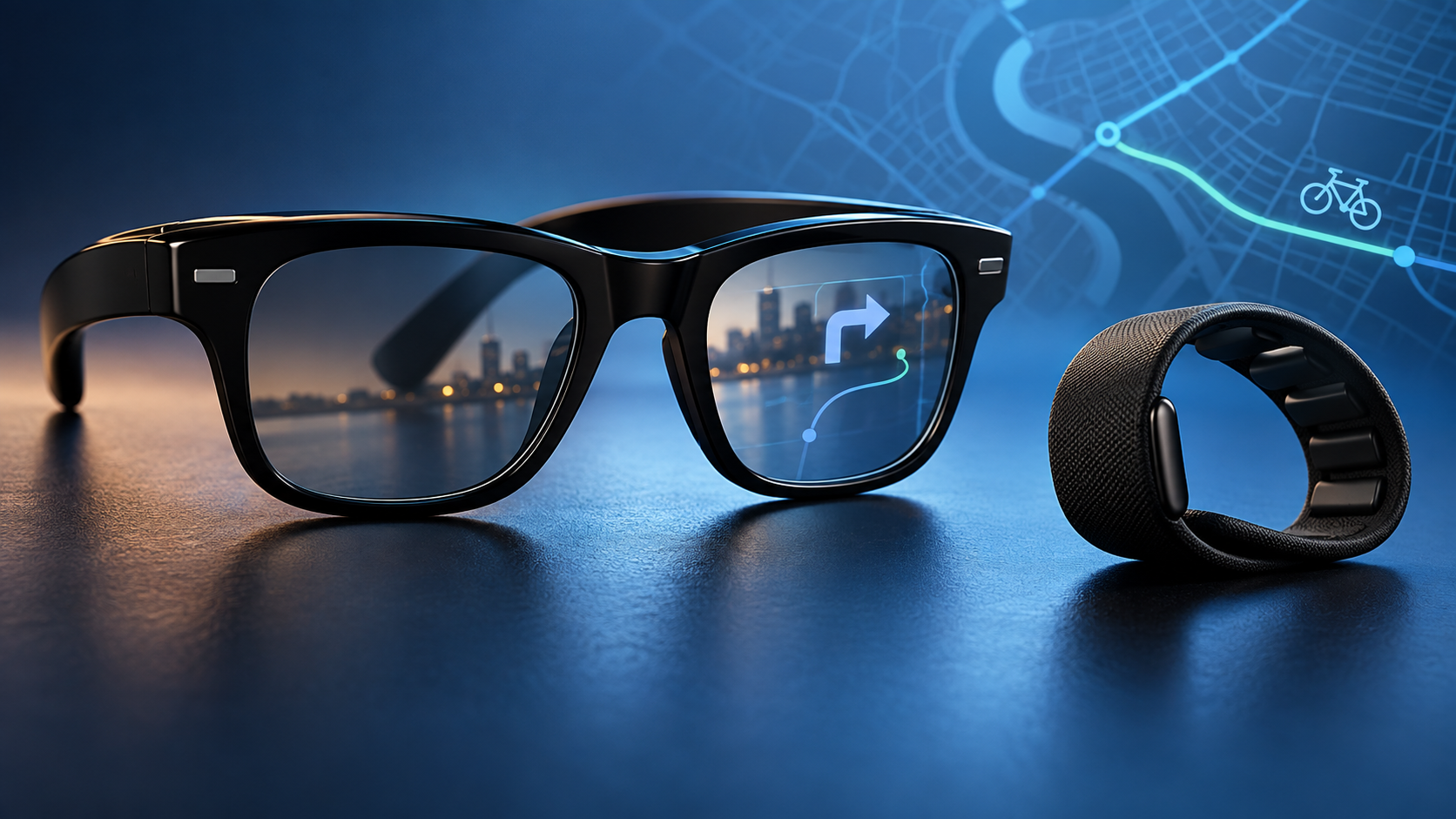
Black smart display glasses and neural wristband with cycling and transit navigation graphics

Meta is turning its $799 Meta Ray-Ban Display glasses into a more capable everyday display. The newest software roadmap adds turn-by-turn directions for cycling and public transit, richer walking cues, better calendar controls, mirrored phone notifications and a forthcoming WhatsApp calling feature that creates a photorealistic digital version of the wearer.

The update matters because it pushes the glasses beyond quick AI answers and camera previews. Some additions are scheduled for later this month, while others remain early-access or “coming soon” features. That distinction is important for anyone deciding whether to buy now.

What Meta is adding now

The headline changes are:

  • Cycling and public-transit directions in the United States and Canada.
  • Walking directions that can reference visible landmarks, such as a distinctive house.
  • A Hologram calling mode for WhatsApp that animates a generated likeness of the wearer.
  • Expanded calendar actions, mirrored phone notifications and Threads Community feeds.
  • Dolby Atmos capture for videos and a new Explore app for discovering experiences.

Cycling and transit navigation arrive

Cycling and transit navigation arrive

Meta says cycling and public-transit turn-by-turn directions are coming to Meta Ray-Ban Display in the United States and Canada. Walking navigation is also becoming more conversational: instead of relying only on street names and distances, the glasses can point to a visual landmark and tell you to turn there.

That approach could make directions easier to follow without staring at a phone, especially in unfamiliar neighborhoods or at transit transfers. It does not mean riders should treat the lens as a full map. The small display is best used for short prompts, and cyclists still need to keep their attention on traffic, signals and road conditions.

The navigation expansion builds on the product’s existing walking directions. Meta Ray-Ban Display has a full-color display in the right lens and comes with the Meta Neural Band, which interprets small wrist and finger movements. The bundle starts at $799.

Hologram calls: a generated face, not a live camera feed

Meta’s “Hologram” name sounds more futuristic than the actual experience. The feature creates a photorealistic digital likeness after the owner records a short selfie video. During a WhatsApp call, the glasses use the wearer’s voice to drive facial expressions in that generated image.

The practical benefit is that callers can appear on video while wearing the glasses, even though the front-facing camera cannot film the wearer’s own face. It is not a three-dimensional projection floating in the room, and it is not a conventional live selfie-camera feed. That distinction should keep expectations realistic.

Meta says Hologram will enter early access in the United States later this fall. Early access usually means availability may be limited and the experience can change before a broader rollout. Buyers should not treat it as a guaranteed, finished feature at purchase.

Notifications, calendars and Threads move onto the display

Meta is also filling in smaller gaps that determine whether wearable displays are useful day to day. Calendar support can show attendees and let the wearer accept, decline or join a meeting. The calendar additions are initially in English in the United States.

Mirrored notifications are coming soon, with controls for which phone alerts appear on the glasses. That could reduce phone checks, but it also creates a new reason to tune notification settings carefully; sending every alert into the lens would quickly become distracting.

Threads Community feeds are being added, while a new Explore app is intended to help owners find experiences built for the glasses. Video capture is gaining Dolby Atmos audio. None of these changes turns the device into a general-purpose augmented-reality headset, but together they make the display feel less like a demo and more like a compact companion screen.

Where Meta Ray-Ban Display is available

Meta now sells the glasses online in the United States. Sales are also open in Canada and the United Kingdom. France, Italy and Germany can preorder, with retail availability planned for October.

The package includes the glasses and Meta Neural Band. Meta’s launch information lists up to six hours of mixed use for the glasses and up to 30 hours total with the charging case. The Neural Band is rated for up to 18 hours and has IPX7 water resistance, while the glasses themselves should still be treated as everyday electronics rather than sports goggles.

Availability, supported apps and individual features vary by country and language. Shoppers outside the United States should confirm the exact feature list on Meta’s regional store before buying rather than assuming every announced function is active on day one.

Is this update useful enough to justify $799?

For existing owners, navigation is the most immediately valuable part of the update. Cycling and transit prompts expand the situations where the display can save a phone check. Calendar actions and selective notification mirroring could also help commuters and people who spend much of the day moving between meetings.

For new buyers, the answer depends on whether the in-lens display and wristband are worth the premium. The less expensive Ray-Ban Meta line already offers a camera, open-ear audio and Meta AI, but it does not provide the same visual display or neural-band controls.

ReaderSpice may earn a commission from qualifying purchases.

Readers who want the camera-and-audio experience without the in-lens display can compare the current Ray-Ban Meta Gen 2 Wayfarer on Amazon.

The $799 Display model makes the strongest case for people who will regularly use private visual prompts, navigation, live captions and message controls. Hologram calling is interesting, but it remains an early-access extra rather than a reason by itself to spend the money.

Before you buy

  • Check the regional feature list, supported phone requirements and prescription-lens options.
  • Expect announced features to arrive in stages; “coming soon” is not the same as available today.
  • Review notification permissions so sensitive messages do not appear unexpectedly in the lens.
  • Use the recording indicator responsibly and get consent where local rules or the situation require it.

If privacy around camera glasses is your main concern, read ReaderSpice’s guide to recognizing when smart glasses are recording.

The bottom line

This is a meaningful software expansion for Meta Ray-Ban Display. Navigation for bicycles and public transit gives the glasses a clearer practical role, while calendar actions and notification mirroring make the display more useful between trips. Hologram calls show where Meta wants wearable video communication to go, but the limited early-access rollout means buyers should judge the product primarily on features available in their region now.

Sources

Meta: New Features for Meta Ray-Ban Display

Meta: Introducing Meta Ray-Ban Display and the Meta Neural Band

Reuters: Meta launches smart glasses with a built-in display

Reuters: Privacy fears challenge smart glasses and AI wearables

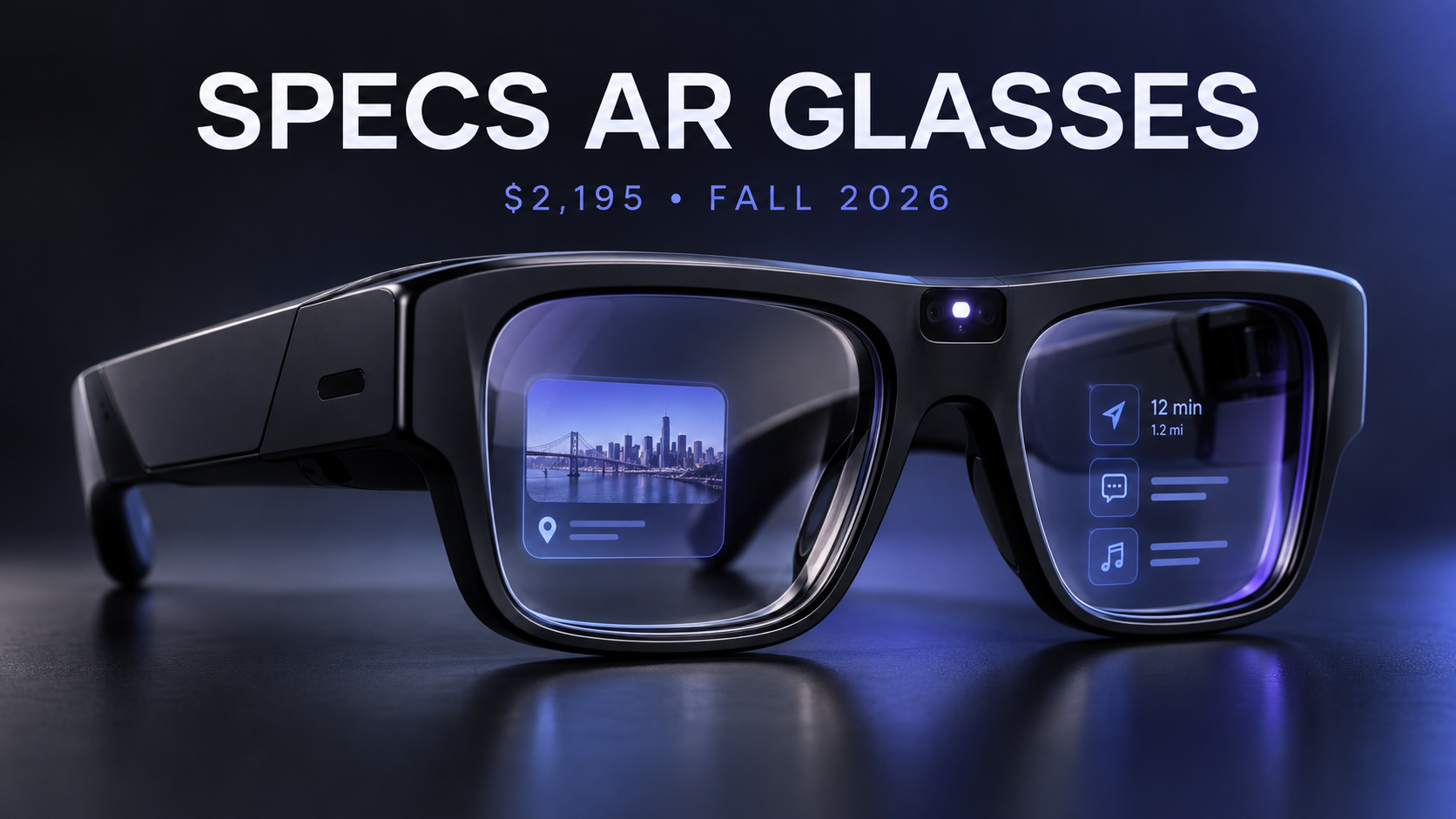
Snap SPECS AR Glasses: $2,195 Price, AI Features and Fall 2026 Release

Snap SPECS augmented-reality glasses with AI interface and $2,195 fall 2026 launch details

Snap has officially opened preorders for SPECS, its first consumer augmented-reality glasses. The new wearable costs $2,195, puts a transparent display and self-contained computing hardware inside the frame, and is expected to start shipping later in fall 2026 in the United States, United Kingdom and France.

This is not another lightweight pair of camera glasses. SPECS are closer to a compact spatial computer: they can place navigation, translation, entertainment, work tools and AI-generated information into the wearer’s field of view. That ambition also explains the unusually high price and the much bulkier frame.

Here is what Snap has confirmed, what SPECS Intelligence adds, and who should—or should not—consider preordering.

What Snap officially announced

Snap’s September 16 announcement expands SPECS from a previously revealed hardware project into a complete commercial platform. Preorders are now available in the U.S., UK and France with a $200 refundable deposit. Shipping is expected later this fall, although Snap has not provided a specific delivery date.

The company also confirmed an in-person SPECS First Look experience at Westfield Century City in Los Angeles beginning October 1. That is important for a device this expensive and unusual: buyers can see how the display looks, test the fit and judge the weight before committing.

SPECS hardware: what you get

The glasses use see-through waveguide displays with a 51-degree field of view. Snap compares the perceived size to a 115-inch screen viewed from about 10 feet away. The frame contains the computing hardware itself, so SPECS do not require a separate processing puck or tethered battery pack.

Confirmed hardware and design details include:

  • Two frame sizes: 47mm Narrow Fit and 52mm Wide Fit
  • A weight of 132 grams for the 47mm model or 136 grams for the 52mm model
  • Custom stereo speakers and six high-signal-to-noise MEMS microphones
  • Bluetooth phone pairing for calls, notifications and music
  • Hand and voice interaction through Snap’s AI-native operating system
  • A prominent external LED that illuminates or flashes during photo, video or audio recording

At well over 130 grams, SPECS are substantially heavier than ordinary eyeglasses and many camera-first smart glasses. The hardware is technically ambitious, but comfort will be one of the biggest questions for early buyers.

SPECS Intelligence extends beyond the glasses

SPECS Intelligence is Snap’s new “anticipatory” AI service. Instead of only waiting for a question, it is designed to organize information from accounts and tools a user chooses to connect, then surface relevant context at useful moments.

Snap’s examples include preparing decisions and reminders before a meeting, combining flight, hotel and dinner details for a trip, and flagging a work deadline that overlaps with travel. On the glasses, that information can appear directly in view. The service can reportedly connect to tools such as Gmail and Slack.

The preview is already available through the SPECS iOS app in the U.S. for users 18 and older. A fuller invitation-only experience is planned for Mac, with access offered through a waitlist. Snap has not announced an Android version.

Beyond AI, the glasses support visual translation in 60 languages, walking navigation, a browser for streaming services, Bluetooth calling, a virtual workspace, and shared augmented-reality experiences. Snap is also working with the NBA, WNBA, Spotify, Tripadvisor, Shopify and HBO Max on specialized experiences.

What the $2,195 price includes

The standard SPECS price is $2,195. Snap requires a $200 refundable deposit at preorder, with the remaining balance collected closer to shipment. A $2,395 Connected Case bundle adds a charging case that provides four additional charges and cellular connectivity.

In the U.S., Verizon plans start at $10 per month for existing Verizon customers and $20 per month for non-Verizon customers. Snap is also partnering with Orange in France and EE in the UK, with local pricing to be announced.

This positioning makes SPECS an early-adopter and professional tool rather than a mass-market replacement for a phone. The base model costs far more than Meta’s camera-focused smart glasses, but SPECS also include true see-through AR displays and onboard spatial computing.

Privacy: what Snap says

Smart glasses raise immediate privacy questions, especially when cameras and microphones are pointed at people nearby. Snap says SPECS do not use facial recognition to identify people and do not continuously record or save audio, video or photos. The center LED is designed to alert bystanders whenever recording is active.

For SPECS Intelligence, Snap says users choose which accounts and services to connect. The company states that Snap personnel cannot view personal content used with the service, and that content from connected accounts will not be used to train or fine-tune its AI models or to deliver personalized ads.

Those are meaningful commitments, but buyers should still review the final privacy settings and permissions before connecting email, calendars, workplace tools or travel accounts. An assistant that anticipates needs must process substantial personal context to be useful.

Who SPECS are really for

Snap is pitching SPECS to both consumers and businesses. For individuals, the strongest use cases are hands-free navigation, live translation, large virtual displays, interactive learning and creative AR. For enterprises, Snap is partnering with Salesforce, NVIDIA, Amazon Web Services, Trifork and Hololight for hands-free tasks on store floors, in factories and in the field.

The enterprise angle may be more convincing at launch. A company can justify a premium device if it reduces training time, overlays repair instructions or gives workers real-time access to inventory and customer data. Most consumers will need a clearer daily benefit before spending more than $2,000 on glasses.

Should you preorder?

SPECS are one of the most technically interesting consumer wearables announced in 2026, but preorder caution is sensible. The price is high, the frame is heavy, the software ecosystem is still developing and the exact shipping date remains unconfirmed.

Interested buyers should try the Los Angeles demo if possible, verify which frame size fits, and wait for independent battery-life, display-quality and comfort testing. The $200 deposit is refundable, but early access still means accepting first-generation compromises.

A more affordable smart-glasses alternative

If you want hands-free photos, calls and audio without a full AR display, you can compare Ray-Ban Meta smart glasses on Amazon. They are not a direct substitute for SPECS, but they represent the more established camera-and-audio category at a much lower price.

Disclosure: ReaderSpice may earn a commission from qualifying Amazon purchases at no additional cost to you.

Sources

Snap Newsroom — Making Computing More Human with SPECS

SPECS official product page and FAQ

Reuters — Snap targets enterprises with Salesforce, NVIDIA and AWS tools

The Verge — SPECS Intelligence comes to iOS and Mac

Apple Watch Series 12 and Ultra 4 Announced: New Health Tracking, Apple Silicon and Prices

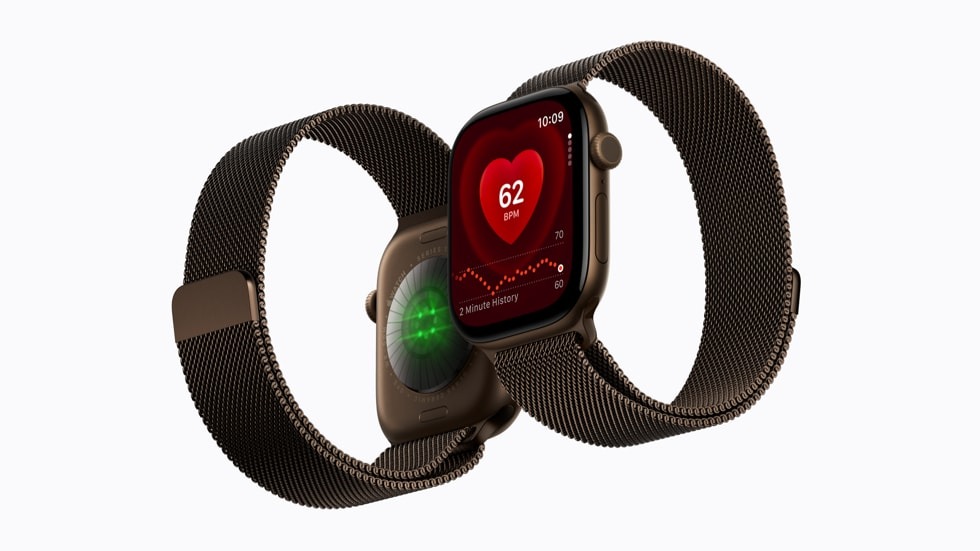
Apple Watch Series 12
Apple Watch Series 12 and Ultra 4
Official Apple Watch Series 12 featured-image candidate — Source: Apple Newsroom
Apple’s September 2026 event wasn’t only about iPhone. Apple also unveiled Apple Watch Series 12 and Apple Watch Ultra 4, positioning both devices around improved health and fitness tracking, new Apple silicon and a more intelligent watch experience.

Apple Watch Series 12

Series 12 remains Apple’s mainstream smartwatch, but the new generation puts additional emphasis on health data and recovery. Apple introduced a redesigned sensor system that can collect heart-rate information more frequently, supporting improved fitness and wellness insights.

The new watch also benefits from updated Apple silicon. Combined with watchOS 27 and Apple’s expanding intelligence features, the hardware is designed to provide faster processing and more useful summaries without turning the Watch into a miniature iPhone.

Apple Watch Ultra 4

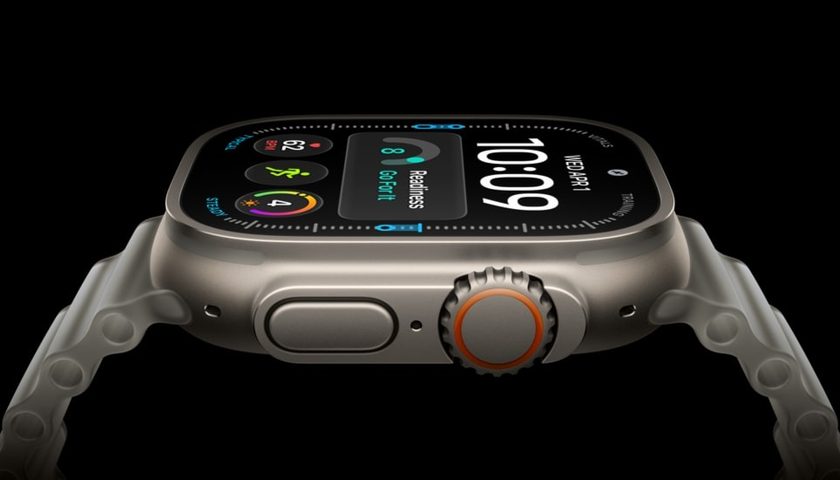
Ultra 4 continues as Apple’s rugged premium model for athletes, adventurers and users who want the company’s most capable watch. Apple is emphasizing improved sensors, health tracking and battery endurance while retaining the Ultra line’s outdoor-focused identity.

Apple Watch Ultra 4
Official Apple Watch Ultra 4 image — Source: Apple Newsroom

Health and Recovery Become More Important

One of the clearest themes of the new Watch generation is Apple’s attempt to turn the device from a passive activity tracker into a more useful interpretation layer for health and fitness data. More frequent heart-rate measurements can feed recovery and fitness features, helping users understand not only what they did but how their body is responding.

New Intelligence Features

Apple’s broader AI strategy also extends to the wrist. Launch coverage highlighted new summary and intelligence capabilities designed to surface useful information without requiring users to dig through multiple apps and metrics.

Pricing

Apple Watch Series 12 starts at $399, while Apple Watch Ultra 4 starts at $799, according to launch coverage. Those prices keep the new models in the familiar mainstream and premium positions of Apple’s Watch lineup.

Who Should Upgrade?

Series 12 will make the most sense for users with older Apple Watches who want improved health tracking and newer software capabilities. Ultra 4 is aimed at users who prioritize battery life, rugged construction, outdoor use and Apple’s most advanced Watch hardware.

Bottom Line

Apple Watch Series 12 and Ultra 4 are evolutionary upgrades, but Apple’s direction is clear: better sensors, more frequent health data, stronger on-device processing and software that turns raw measurements into information people can actually use.

SOURCES

  • Apple September 9, 2026 event / Apple Events
  • Reuters — Apple September 9 launch coverage
  • The Verge — Apple September 2026 event announcements
  • Axios — Apple event live coverage