
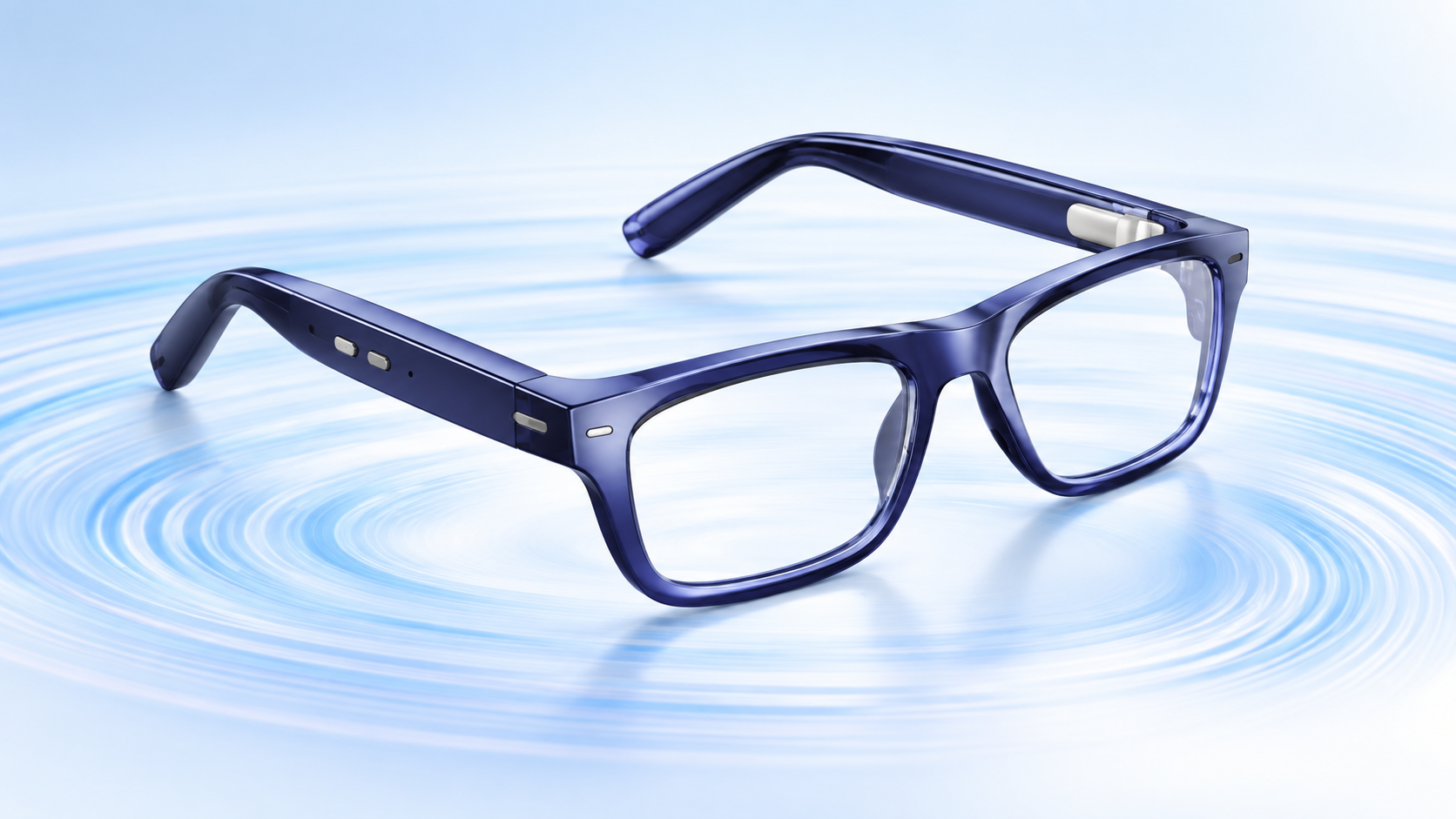
Nuance Audio Plus puts an over-the-counter hearing aid into a pair of everyday-looking eyeglasses, and the new generation is now available in the United States starting at $829. The upgrade targets a practical problem: helping adults follow conversations without wearing a separate in-ear device or drawing attention to hearing technology.
The new model keeps the open-ear design of the original Nuance Audio glasses while improving speech clarity, amplification, battery life and physical controls. It also adds hands-free iPhone calling. Those changes make the Plus version more flexible, but its price, four-hour charging time and limited phone support mean shoppers should compare it carefully with conventional OTC hearing aids.
Nuance Audio Plus price and availability
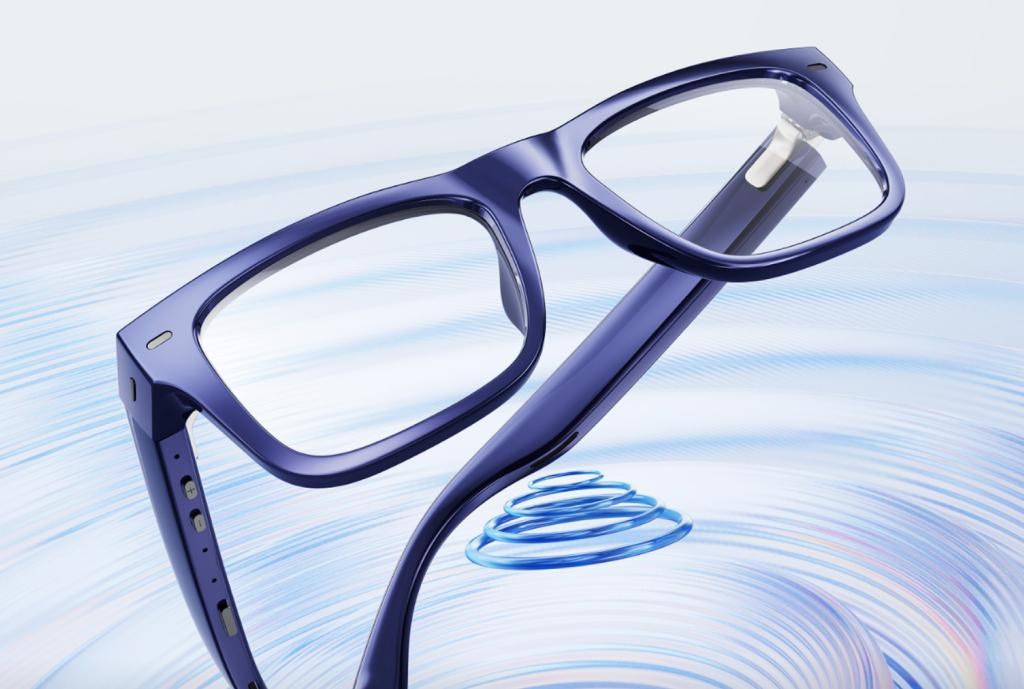
The official Nuance Audio Plus lineup is available now in the U.S. from $829 before optional prescription lenses or lens treatments. The standard first-generation Nuance Audio glasses remain on sale from $699, so the Plus upgrade carries at least a $130 premium.
The Plus model comes in Square, Upturn and Panthos frame shapes. Color choices include shiny black, shiny burgundy, deep blue, amber and olive green. Both prescription and non-prescription configurations are offered, allowing one frame to handle vision correction and hearing assistance.
Nuance includes a foldable case, cleaning cloth, charging pad and USB-C cable. A charging case and Remote Plus controller are optional purchases. The company advertises free returns within 30 days, which matters for a device whose comfort and benefit can vary substantially from person to person.
What changes with Nuance Audio Plus
The second-generation model is not an AI-camera wearable or a display headset. It is a focused accessibility device with hidden speakers built into thicker-than-normal temple arms. Compared with the original version, the meaningful changes are:
- Improved sound amplification and clearer speech in noisy environments
- Up to 10 hours of battery life
- A dedicated power slider and separate volume controls on the frame
- Sleep mode when the temples are folded, with automatic wake when opened
- Hands-free answering for incoming calls when paired with an iPhone
- More frame shapes and colors
The absence of a camera is also a useful distinction. Nuance Audio Plus is designed to help the wearer hear, not to record people or overlay digital information. That gives it a clearer purpose and avoids many of the privacy questions attached to camera-equipped smart glasses.
How the hearing modes work
The companion Nuance Audio app provides two main listening modes. Frontal mode emphasizes the person directly in front of the wearer, making it the logical choice for a restaurant table, appointment or face-to-face conversation. All-Around mode raises sounds from the broader environment and may suit a group discussion, television viewing or a walk outside.
Users can choose among four preset amplification profiles and three noise-reduction levels. That is more customization than a simple personal sound amplifier, but it is still a self-managed OTC system rather than an individually programmed prescription hearing aid.
Battery, controls and phone compatibility
Nuance rates the Plus glasses for up to 10 hours of use, while a full charge takes about four hours. Actual runtime will depend on volume, listening conditions and calling. Folding the arms places the glasses into sleep mode instead of fully powering them down, so they can resume quickly when reopened.
The new on-frame slider and volume buttons reduce dependence on the phone app for everyday adjustments. Call answering is more limited: the hands-free feature works with iPhone, but The Verge reports that it is not supported on Android. Android users should therefore view the glasses primarily as hearing assistance rather than a calling accessory.
Who should consider these hearing glasses
Nuance Audio Plus is aimed at adults with perceived mild to moderate hearing loss who already wear glasses, dislike in-ear hardware or want a discreet all-in-one option. It may be especially appealing to someone who mainly struggles with conversation in restaurants, meetings or other noisy places.
It is less compelling for shoppers who need all-day-plus runtime, want audio streaming features on Android, prefer an almost invisible in-ear design or have severe hearing loss. Conventional OTC models can also cost less. One alternative currently sold on Amazon is the Sony CRE-C20 self-fitting OTC hearing aid, which uses a compact in-ear design instead of eyeglass speakers.
Affiliate disclosure: ReaderSpice may earn a commission from qualifying Amazon purchases at no additional cost to you.
What to check before buying
The FDA says OTC hearing aids are intended for adults age 18 and older with perceived mild to moderate hearing loss. They are not meant to treat severe or profound loss, and shoppers should not assume that a more expensive device will automatically provide a better fit.
Before ordering, consider these questions:
- Do you need prescription lenses, and what will the finished total cost be?
- Is 10 hours of claimed battery life enough for your normal day?
- Are you comfortable charging for roughly four hours?
- Will the iPhone-only call feature affect your decision?
- Can you test the glasses in several real environments during the return window?
- Do you have sudden hearing changes, pain, drainage, dizziness, one-sided hearing loss or one-sided ringing that should be evaluated by a clinician first?
The FDA specifically advises seeking medical care for those red-flag symptoms. Even without them, an audiologist can help determine whether an OTC product is appropriate and whether the glasses provide enough benefit in the situations that matter most.
Nuance Audio Plus versus the original model
The original Nuance Audio remains the value option at $699. The Plus model makes the strongest case for its extra cost if longer battery life, physical volume controls, better speech handling and iPhone calling solve specific problems for you. If the base model already delivers enough hearing support and you do not need those additions, saving $130 or more may be the smarter choice.
The bottom line
Nuance Audio Plus is a thoughtful accessibility upgrade: it looks like eyewear, avoids a camera, combines prescription-lens options with open-ear hearing help and adds controls that should make daily use easier. Its $829 starting price is high enough that buyers should use the 30-day return period deliberately—trying quiet conversations, restaurants, television and outdoor settings before deciding to keep it.
The most important limitation is fit for purpose. These are OTC hearing aids for adults with perceived mild to moderate loss, not a substitute for professional care when symptoms are sudden, severe or uneven between ears.
Sources
Nuance Audio official U.S. hearing-glasses lineup