
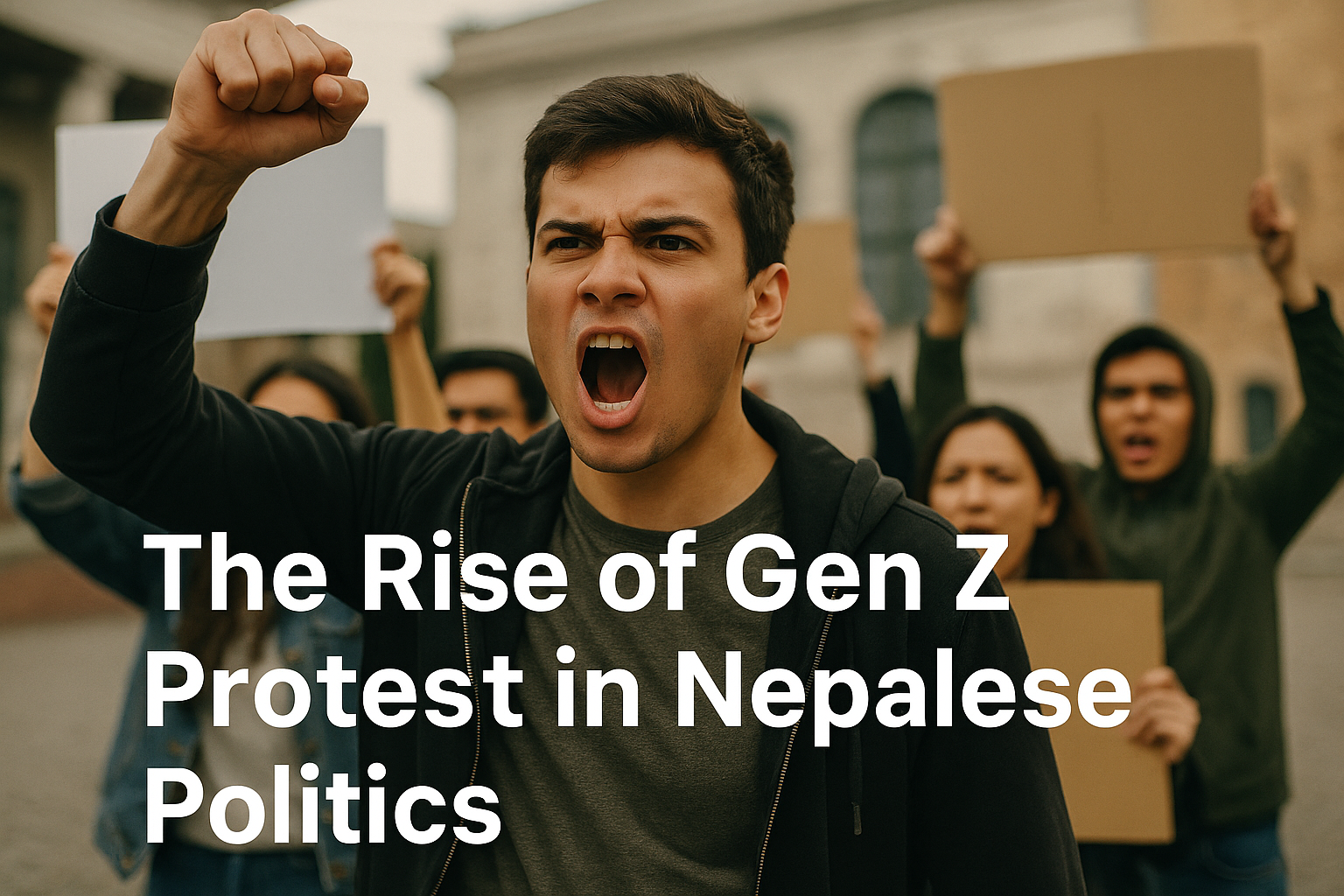
Nepal’s political landscape has witnessed countless shifts since the democratic movements of the 1990s. Yet, the most recent wave of activism is being driven by Generation Z. This young and vibrant group, born after the mid-1990s, has begun to voice dissatisfaction with the nation’s political leadership. With access to social media platforms and global trends, Gen Z is demanding accountability, transparency, and progressive reforms in Nepal.
The seeds of Gen Z protests were planted during their school years when they saw widespread corruption, unemployment, and political instability affect their families and communities. Unlike older generations who often accepted slow-paced reforms, these youths seek immediate change. The frustration has been further fueled by unmet promises from political leaders, especially regarding job creation, education, and governance.
Social media has played a transformative role in amplifying their voices. Platforms like TikTok, Instagram, Twitter, and Facebook have become digital stages where young activists raise awareness, organize protests, and spread information rapidly. Hashtags, viral videos, and live streams have made political discussions more accessible and engaging for young Nepalese citizens, making it harder for traditional leaders to ignore their concerns.
Recent protests in Kathmandu and other major cities highlight how Gen Z has transitioned from passive observers to active participants in politics. They are not just calling for reforms but are also reimagining the future of Nepal with inclusive policies, climate action, and digital governance. This activism is pressuring political leaders to adapt to the changing demands of a new generation that refuses to remain silent.
However, challenges remain. Gen Z faces criticism from traditional politicians who dismiss their movements as impulsive or inexperienced. Moreover, the lack of a unified leadership within the youth movements sometimes weakens their long-term impact. Yet, the persistence and energy of this generation show that they are ready to shape the democratic process in ways unseen before in Nepal’s history.
Looking forward, the politics of Nepal will inevitably be influenced by the boldness of Gen Z. Whether through street protests, online campaigns, or even future electoral participation, their influence is growing steadily. As the torchbearers of tomorrow, Gen Z is not just protesting—they are laying the foundation for a new political culture in Nepal, one driven by accountability, innovation, and hope.