
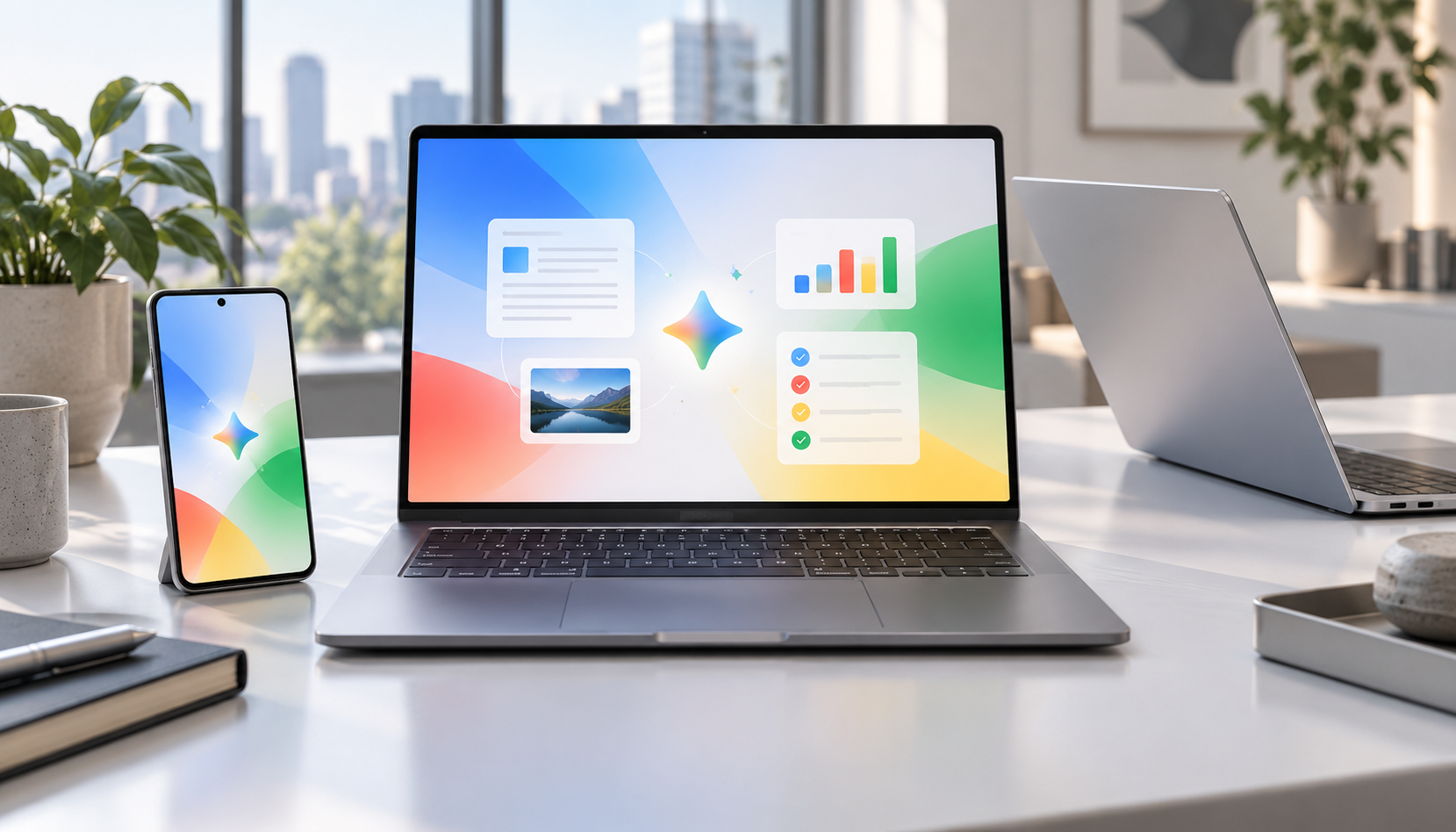
Googlebook preorders opened on September 21, 2026, turning Google’s new AI-first laptop platform from a spring preview into a real five-model lineup. Prices start at $899, the first systems come from Acer, ASUS, Dell, HP and Lenovo, and retail availability is scheduled for October 4.
The launch matters because Googlebook is not simply a renamed Chromebook. Google is positioning it as a premium laptop category built around Gemini Intelligence, Android-phone continuity, stronger baseline hardware and long software support. That also puts the machines directly against MacBook Air and premium Windows laptops rather than bargain Chromebooks.
Googlebook prices and release date
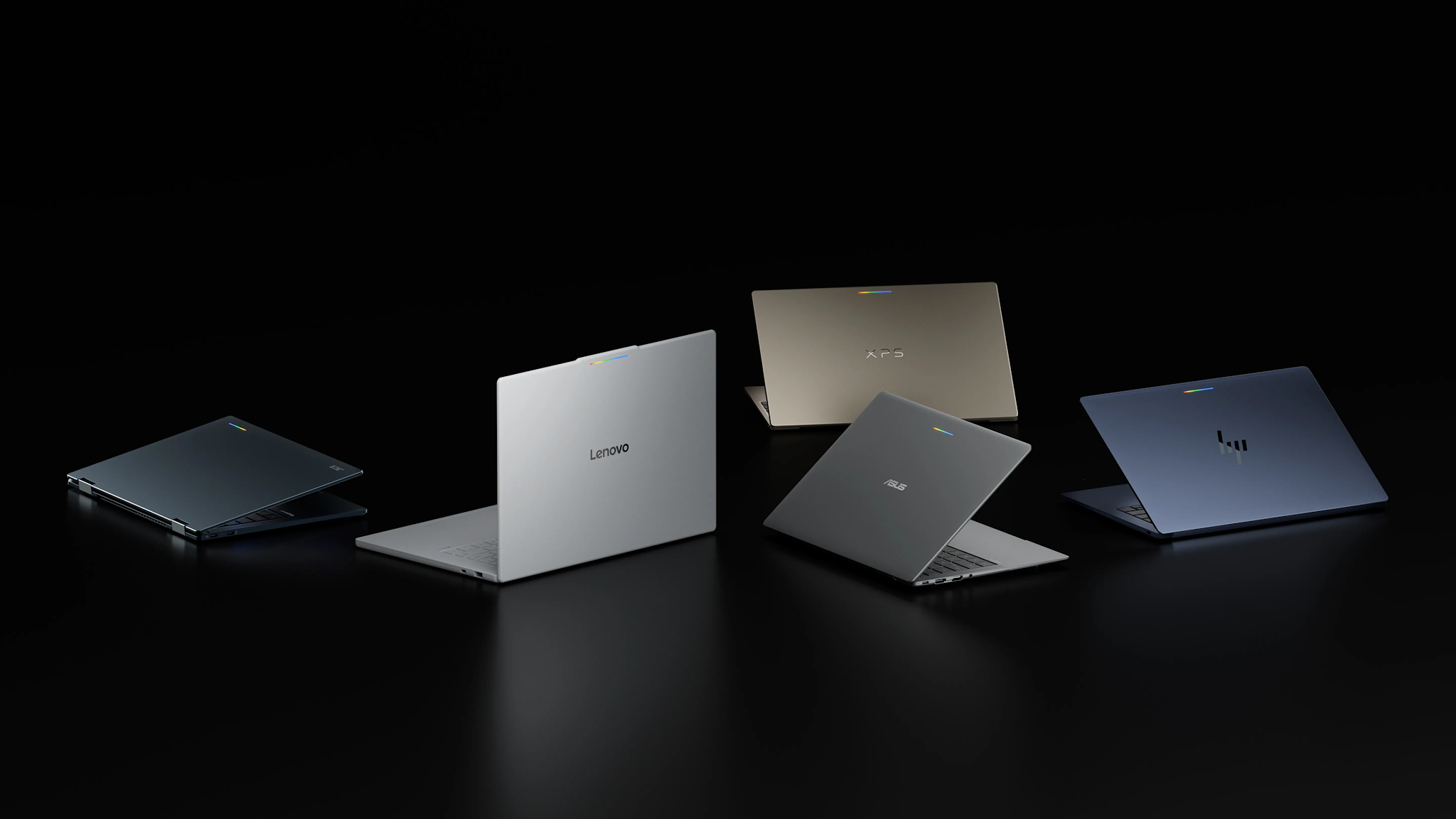
Google’s official comparison page lists five preorder models:
- Acer Googlebook 14 — from $899; 14-inch 2.8K OLED touchscreen, Intel Core Ultra 5, 16GB RAM, 512GB storage and up to 16 hours of claimed battery life.
- ASUS Googlebook 14 — from $1,299; 14-inch 2.8K OLED touchscreen, Intel Core Ultra 5, 16GB RAM, 512GB storage and up to 16 hours.
- Dell XPS Googlebook — from $999; 13.4-inch 2.5K LCD touchscreen, Snapdragon X Elite, 16GB RAM, 512GB storage and up to 18 hours.
- HP Googlebook 14 — from $1,299; 14-inch 2.8K OLED touchscreen, Snapdragon X Elite, 16GB RAM, 512GB storage and up to 19 hours.
- Lenovo Googlebook 15 — from $1,099; 15.3-inch 2.8K OLED touchscreen, Intel Core Ultra 5, 16GB RAM, 512GB storage and up to 13 hours.
Those are Google’s listed starting configurations, not every option a manufacturer may sell. Memory, storage, processors and promotional prices can vary by configuration and retailer. Google also notes that battery estimates come from controlled tests, so real-world endurance will depend on brightness, connectivity and workload.
The first Googlebooks are available to preorder now and are due in stores October 4. Google says its one-year Google AI Pro offer applies to eligible users who purchase and activate an eligible Googlebook on or after October 1, 2026.
What makes a Googlebook different
Every launch model has at least 16GB of RAM and uses either an Intel Core Ultra or Qualcomm Snapdragon X Elite processor. The shared design language includes a dedicated G key and a glowbar that can show charging and battery status. Google’s lineup page also lists biometric authentication, although the exact face- or fingerprint-unlock hardware varies by model.
The bigger distinction is software. Googlebook combines technology from Android with desktop foundations from ChromeOS, then places Gemini features throughout the experience:
- Magic Pointer activates Gemini from the cursor so users can ask about, compare or act on selected on-screen content.
- Rambler turns spoken, unstructured thoughts into cleaned-up, formatted text.
- Smart file search can find files and photos by their contents rather than only by filename.
- Cast My Apps opens compatible Android-phone apps on the laptop.
- Continue On moves a supported task from an Android phone to Googlebook.
- Quick Access surfaces phone files from the laptop without a manual transfer.
Google says the cross-device features require setup and a phone running Android 17 or newer. Several AI tools also have age, language, country or accuracy limitations, so buyers should check regional availability instead of assuming every advertised feature will work immediately.
Which Googlebook looks best for different buyers
Acer Googlebook 14: the value and 2-in-1 choice
The Acer is the least expensive entry and the only convertible 2-in-1 in the first wave, according to The Verge. Its OLED touchscreen and 16-hour claim make it the most obvious starting point for students, travelers and buyers who want tablet-style flexibility. The publication also reports that $899 is an initial launch price that Acer may reassess, so the lowest price may not be permanent.
Dell XPS Googlebook: the compact premium option
Dell’s 2.2-pound XPS Googlebook is the thinnest-looking choice and pairs Snapdragon X Elite with an 18-hour claim. Its drawback is connectivity: two USB-C ports and no built-in HDMI or USB-A, so frequent peripheral users may need a hub.
HP Googlebook 14: the battery and storage leader
HP posts the longest official battery estimate at up to 19 hours and is the only launch model reported with storage options up to 1TB. It also supports both face authentication and a fingerprint reader. At $1,299, however, it needs to compete on experience and endurance, not price.
ASUS Googlebook 14: the light, port-friendly model
The ASUS model weighs 2.2 pounds and is one of the better-connected choices, with USB-C, USB-A, HDMI and a headphone jack in higher-detail launch reporting. That balance should appeal to travelers who do not want to pack a dongle, though its $1,299 starting price is tied for the highest in Google’s current shop.
Lenovo Googlebook 15: the big-screen pick
Lenovo’s 15.3-inch OLED display is the largest of the five, while its $1,099 starting price sits between Acer and the premium 14-inch models. It is the best fit for buyers prioritizing screen space and built-in HDMI over minimum weight.
Included subscriptions add value, with caveats
Eligible Googlebook buyers receive one year of Google AI Pro, which Google values at $249.99 and bundles with 5TB of cloud storage, Gemini Pro, Gemini features in Gmail and Drive, and other services. Google also advertises more than $300 in additional limited-time app benefits, including three months of YouTube Premium, BandLab, Adobe Photoshop and CapCut, plus 12 months of Luminar and GeForce NOW.
Treat those subscriptions as a bonus, not as a permanent price reduction. Offers have eligibility rules and expiration dates, and paid services may renew after a trial. Buyers should review the redemption terms and set a reminder before any trial ends.
Should you preorder or wait for reviews?
Preordering makes the most sense for someone already committed to Android, comfortable with Google’s app ecosystem and attracted to a specific launch configuration. The Acer’s introductory price may also give early buyers a reason to move quickly.
Most shoppers should still wait for independent reviews. Google’s battery figures are controlled-test estimates; real-world performance, fan behavior, display quality, app compatibility and the usefulness of Gemini features need hands-on testing. The $899-to-$1,299 range also overlaps with mature MacBook and Windows alternatives, so software fit matters as much as specifications.
If you want a less expensive Google laptop today, you can browse current Chromebook Plus laptops on Amazon. They will not provide the full Googlebook feature set, but they remain relevant alternatives for web-first work, school and everyday use.
ReaderSpice may earn a commission from qualifying purchases made through affiliate links, at no additional cost to you.
Bottom line
Googlebook is Google’s clearest attempt in years to define a premium laptop experience of its own. The lineup starts with meaningful hardware differences rather than five near-identical machines: Acer emphasizes value and versatility, Dell compactness, HP endurance, ASUS portability and ports, and Lenovo screen size. The unanswered question is whether Gemini and Android continuity feel valuable enough in daily use to justify prices that reach $1,299. Reviews should answer that soon.
Sources
Googlebook official product and feature overview
Googlebook official lineup, prices and specifications
Google’s original Googlebook announcement