A head of tonight’s draw, the Powerball lottery has been rises to $900 million. 2016 will be the great start for the person, who wins $900 million dollar. Powerball has a 5 numbers with 1 Powerball number. To win this jackpot, you have to have all 6 numbers matched with the draws number. Tonight, Powerball will be drawn tonight, Saturday. People play this jackpot from 44 states including Washington DC, the U.S. Virgin Islands and Puerto Rico, all but six states require lottery winners to come forward publicly. Therefore, good luck being anonymous if you win. Continue reading “Powerball Lottery Rises $900 million, the largest jackpot in the US History”
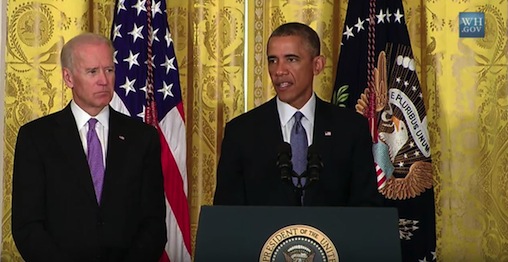
We called him the custodian of all living things. If an ant had crawled its way into our kitchen, he’d gently pick it up and carry it out outside to rejoin its family. If he saw a classmate sitting alone, he’d be the first to provide company and comfort. At 7 years old, he cared, he listened, and he loved more deeply than many adults I know. Continue reading “Why the President Obama is taking action today to reduce gun violence”
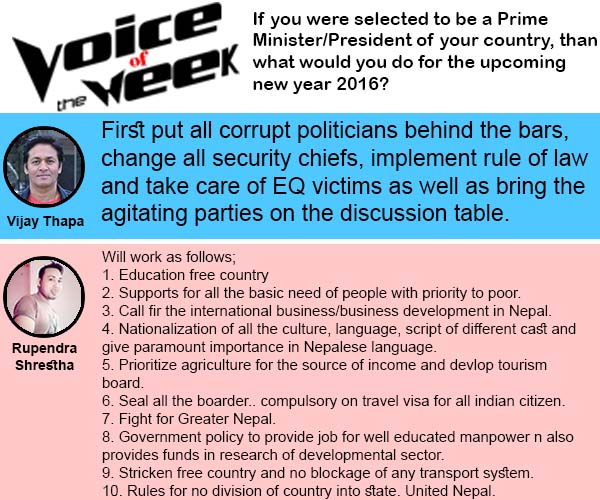
This is the second issue of Voice of the Week only on readerspice.com. In this segment, we ask many current event questions to the audience and will take their answers or opinion as our response.
Two person participated in this issue:
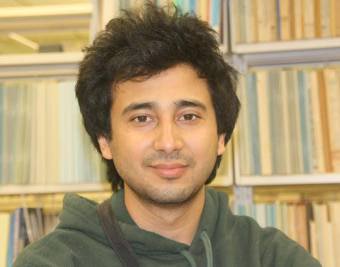
Vijay Thapa said that First put all corrupt politicians behind the bars, change all security chiefs, implement rule of law and take care of EQ victims as well as bring the agitating parties on the discussion table.
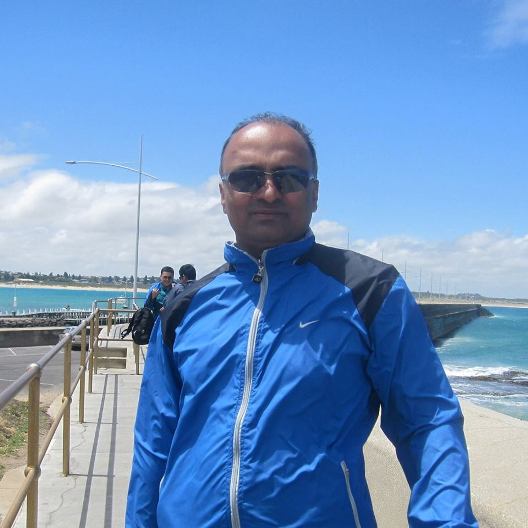
Rupendra Shrestha said that Will work as follows;
1. Education free country
2. Supports for all the basic need of people with priority to poor.
3. Call fir the international business/business development in Nepal.
4. Nationalization of all the culture, language, script of different cast and give paramount importance in Nepalese language.
5. Prioritize agriculture for the source of income and devlop tourism board.
6. Seal all the boarder.. compulsory on travel visa for all indian citizen.
7. Fight for Greater Nepal.
8. Government policy to provide job for well educated manpower n also provides funds in research of developmental sector.
9. Stricken free country and no blockage of any transport system.
10. Rules for no division of country into state. United Nepal.
The above response was wonderful response from our audience. Get ready for another Episode of the voice of the week and please participate to share your thoughts about the current events..
A man has died after saving a woman by pushing her to safety from a falling elevator on New Year’s eve. Stephen Hewett-Brown was ascending in an elevator with several others, on his way to a party in a Manhattan Apartment building, when the elevator began to malfunction. Realizing that the elevator was about to fall, Stephen pushed a woman to safety and called out Happy New Year before being crushed by the elevator. Continue reading “Man Dies By Saving Another In New Year Elevator Death”
Arun BudhathokiIf you are a Nepali or know Nepali people and have lived in Nepal then you probably know what it means to wait for petrol, gas, and interviews. While the long queues for petrol, gas and even medicines (hospitals) are a new phenomena resulting from human-made disaster, the culture of making people wait for interviews is perhaps not a new thing, but the result of the culture of disrespecting time. Patience is a virtue people say, but maybe not when it comes to us. I have had the experience while waiting for interviews.
Time is important for all of us, irrespective of who we are, employer or employees. I think it is very rude to make people wait for more than fifteen minutes to do an interview. The employers should keep in mind that the prospective employees are busy too and making them wait only defines their work ethics and attitude towards the unemployed and employed people. This has to change to transform the image of a company and also influence the mind-set of its employers. If the time taken for interviews is such, then the employers shouldn’t accept its employees to be on time and work under pressure for them. Both attitudes of employers and employees should match as none of them are robots and humans can err, which we know, from experiences and research. On the other hand, Nepali people are collectively to be blamed.
In the last three months, we have witnessed how patient Nepalis are when it comes to buying petrol for as high as Rs 300 to 500. They don’t even complain or protest against the government. We patiently wait in the long dull sad queues before the dreary looking petrol pump. We do not even go to Singha Durbar but creatively point at the hundreds of problems but do not provide a single solution. We have become a master of problem finders but a loser in seeking solutions. That’s the key difference between us and people in the western world. However, I disagree to dissuade implementing western solutions—we can at least start repairing our breaking frontiers by respecting time. The culture of disrespecting time is rampant in the governmental sector and everywhere else. It is deeply entrenched in our psyche: yestai cha yaha (It is like this here). And we do nothing about it. We calmly wait for the interviewer to call us and don’t ask when the interview is going to start. We don’t even care to ask the foreign country going ministers who send their kids and relatives to China about their ethical values.
Two days earlier there was twenty fours power-cut hiatus in my locality, Shantinagar, New Baneshwor and I was wondering where I could complain about it. With no idea about it, finally the power came back around 23:30 and it was only the next day I came to know that few people from the locality had gone to the concerned authorities to complain on it. If they hadn’t gone and complained, it seems the government employees would have delayed repairing it. That is the culture here—taking time lightly and delaying everything for tomorrow, next year. While other countries are busy planning space exploration, we are postponing works and delaying important projects.
The psyche of disrespecting time can be seen among our leaders too. Although they are smart enough to make sure that they don’t go hungry and sick after they quit politics. But the same leaders took so much time to pass the Reconstruction Authority bill which was vital to forward the post-quake relief and reconstruction works. There’s no time to wait for the earthquake-hit people who are facing extreme winter. Those living in the capital city already know how it feels to be cold. Do we have extra time to read about our fellow people including the quake-affected, dying of cold?
The culture of disrespecting time needs to change. We need to eradicate it first in our psyche and work for changes in every sector of this country. Or else, with our Human Development Index (HDI) nosediving, we will continue to be one of the poorest countries in South Asia and the rest of the world. Others will move ahead in time, whereas we will continue to live in the time where everything is delayed. Time waits for none.
(Budhathoki is a graduate of International Relations)
Sushma JoshiOn my second day in Myitkyina, Olivier, a French biker who I’ve met at a restaurant, mentioned in a state of high excitement that he’s seen a train full of Burmese soldiers going in the other direction. The rebels are 25 km away, in the Southern part, just where he needs to go to get the boat to Bhamo. He doesn’t know if he will be able to leave the next morning, whether the boat will take off or not. Olivier is going around the world in his motorcycle—Burma is the only country that didn’t allow him to bring in his bike, so he had to fly in. In Pakistan, he was escorted by eight Army officers. He left the country as quickly as possible, he says. We agree this army escort is not the best idea.
“A guy on a bike may draw attention, people may notice that I am white if I drive slowly. But with eight Army officers following me, they definitely noticed!” he says, rather dryly. Continue reading “Kachin-Gorkhas”
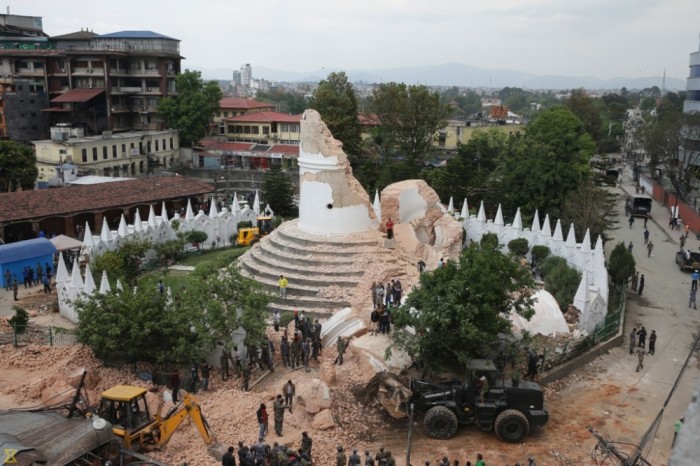
Dec 31, 2015- The eventful year 2015 witnessed accidents, natural disasters and political upheavals. The constitution was promulgated after seven years of protracted political disputes, yet it also triggered protests, deaths and unofficial blockade. Continue reading “A year of achievements and mishaps in Nepal in 2015”
Dr. Roshan Bhakta BhandariDespite the losses and disruptions wrought by the Nepal Earthquake 2015, it became increasingly apparent that people and communities could cope with the immediate challenges by drawing upon their own resources. A prominent example was the rising number of self- help groups and community volunteers who positively influenced quick response and relief efforts. This highlighted the potential of people and communities to be resilient. Most recently, the Sendai Framework for Action 2015-2030 developed by the International Strategy for Disaster Risk Reduction, also identified the need to develop this resilient capacity as the key element of a disaster risk reduction (DRR) strategy. Nepal Earthquake provided an opportunity to understand how local capabilities at an individual and societal level helped to overcome the immediate challenges encountered during a massive disaster. Continue reading “Winter of discontent”

 A head of tonight’s draw, the Powerball lottery has been rises to $900 million. 2016 will be the great start for the person, who wins $900 million dollar. Powerball has a 5 numbers with 1 Powerball number. To win this jackpot, you have to have all 6 numbers matched with the draws number. Tonight, Powerball will be drawn tonight, Saturday. People play this jackpot from 44 states including Washington DC, the U.S. Virgin Islands and Puerto Rico, all but six states require lottery winners to come forward publicly. Therefore, good luck being anonymous if you win.